


As winter's gentle chill settles over the plains, Rajasthan's capital, Jaipur, awakens in its full glory. The Pink City, with its pleasant daytime sun and vibrant culture, offers the perfect escape for a memorable winter break.
Amer Fort: The Majestic Hilltop Sentinel
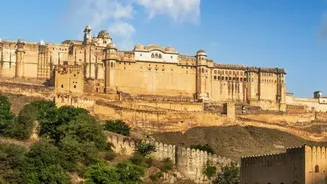
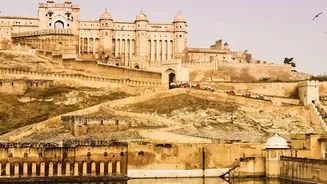
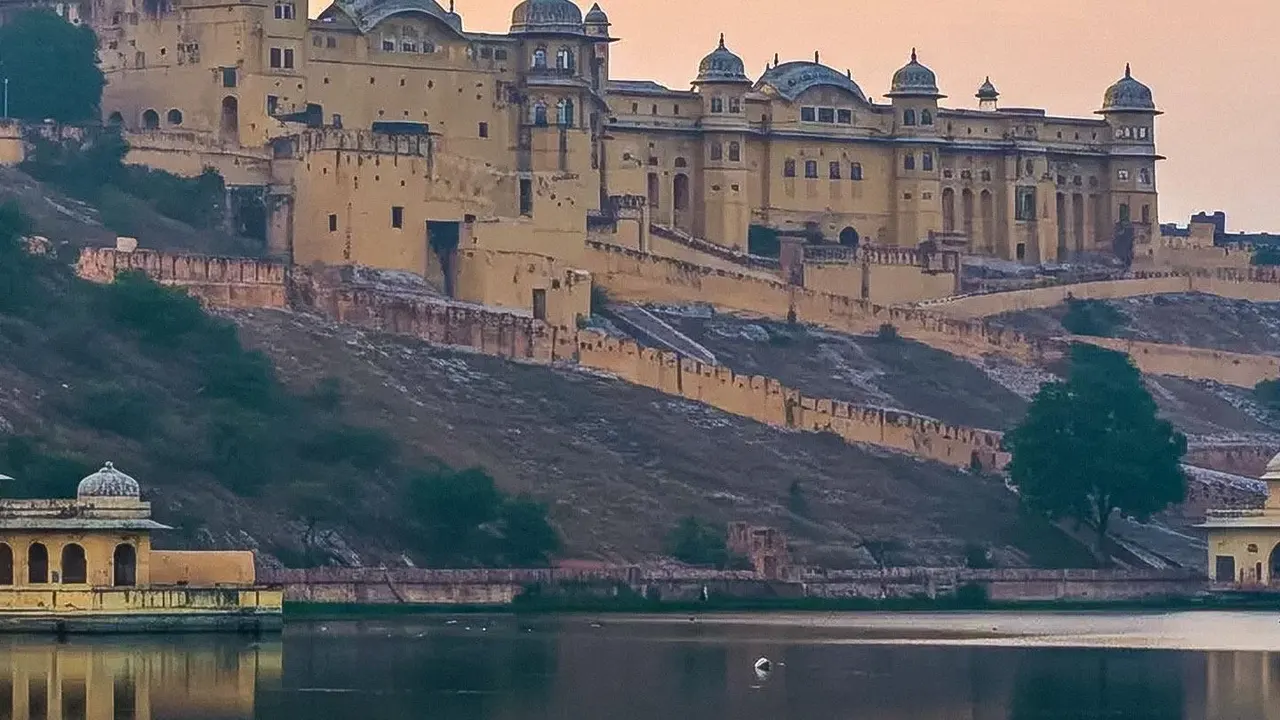
No trip to Jaipur is complete
without a visit to the magnificent Amer Fort, a UNESCO World Heritage Site. Winter is the best time to explore this sprawling complex of palaces, halls, and gardens, as the pleasant weather makes the extensive walking comfortable. The morning sun casts a golden glow on the sandstone and marble, creating a photographer's paradise. Arrive early to avoid the crowds and consider the light and sound show in the evening, which narrates the fort's rich history.
Hawa Mahal: The Palace of Winds
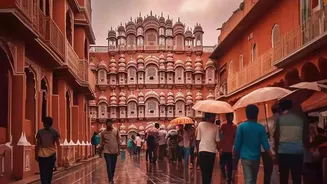
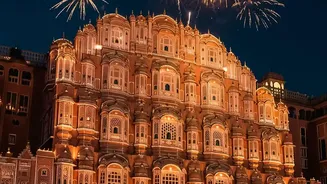
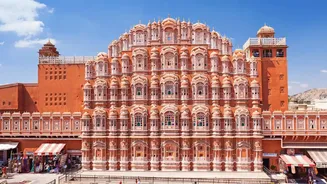
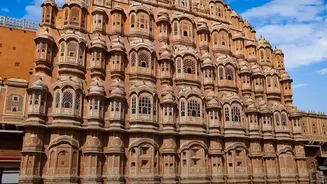
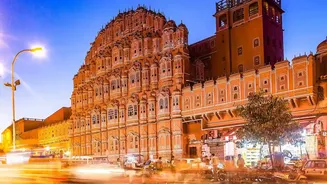
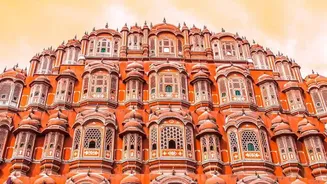
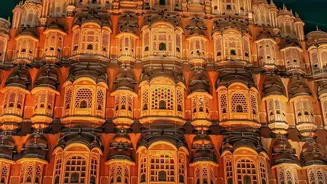
The iconic Hawa Mahal is not so much a palace as an architectural marvel. Built in 1799 to allow royal women to observe street festivities unseen, its intricate facade features 953 small windows, or 'jharokhas'. In winter, the soft sunlight beautifully illuminates its red and pink sandstone structure. The genius design also allows a cool breeze to flow through, giving it the name 'Palace of Winds'. While the front facade is what's most famous, the simpler interiors and the ramps connecting its five floors are also worth exploring.
City Palace: A Royal Residence
Situated in the heart of the old city, the City Palace is a stunning blend of Rajput and Mughal architecture and is still the residence of Jaipur's royal family. The winter months are ideal for wandering through its grand courtyards, gardens, and museums without the oppressive heat of summer. Highlights include the Mubarak Mahal, now a textile museum, the Diwan-i-Khas with its massive silver urns, and the vibrantly decorated Pritam Niwas Chowk, where four gates represent the seasons.
Jantar Mantar: The Royal Observatory
Adjacent to the City Palace lies Jantar Mantar, a fascinating UNESCO World Heritage site built in the early 18th century. It is a collection of nineteen colossal astronomical instruments, including the world's largest stone sundial. These instruments, built by Maharaja Sawai Jai Singh II, were designed for naked-eye observation of celestial positions. The clear winter skies provide the perfect backdrop to appreciate the scientific precision and architectural brilliance of this open-air observatory.
Nahargarh Fort: Sunset Over the City
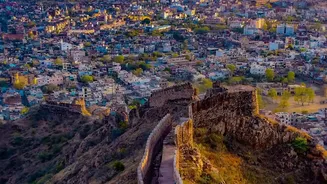
For the most breathtaking panoramic view of Jaipur, head to Nahargarh Fort, perched on the Aravalli Hills. Winter evenings are the best time to visit, offering clear, crisp air for a spectacular sunset. As the sun goes down, the entire city below begins to twinkle with lights, creating an unforgettable vista. Plan to arrive an hour before sunset to explore the Madhavendra Bhawan, a series of interconnected suites built for the royal family, before finding your spot on the ramparts.
Jaigarh Fort: Home of the Great Cannon
Often overlooked in favour of Amer, Jaigarh Fort offers a grittier, more militaristic perspective on Rajput power. Connected to Amer Fort by subterranean passages, it was built to protect the main palace complex. Its main claim to fame is the Jaivana, which was the world's largest cannon on wheels at the time of its manufacture in 1720. The fort's high vantage point provides stunning views of the surrounding landscape, made even more enjoyable by the cool winter air.
Albert Hall Museum: A Treasure Trove of History
As Rajasthan's oldest museum, the Albert Hall Museum is an architectural masterpiece in its own right, especially when illuminated at night. Designed in the Indo-Saracenic style, it houses a vast collection of artefacts, including paintings, carpets, ivory, stone, and metal sculptures. One of its most famous exhibits is a real Egyptian mummy. A winter afternoon is a perfect time to explore its 16 galleries, offering a deep dive into the region's art and culture.
Johari Bazaar: A Shopper's Paradise
A winter trip to Jaipur is incomplete without a stroll through Johari Bazaar, the city's main jeweller's market. The pleasant weather is perfect for exploring the bustling lanes lined with shops selling a dazzling array of goods. While famous for precious gems, Kundan jewellery, and Meenakari work, you'll also find beautiful textiles like Bandhani and Leheriya sarees, handcrafted leather shoes (juttis), and local handicrafts. It’s a vibrant immersion into the city's commercial heart.
Jal Mahal: The Serene Water Palace
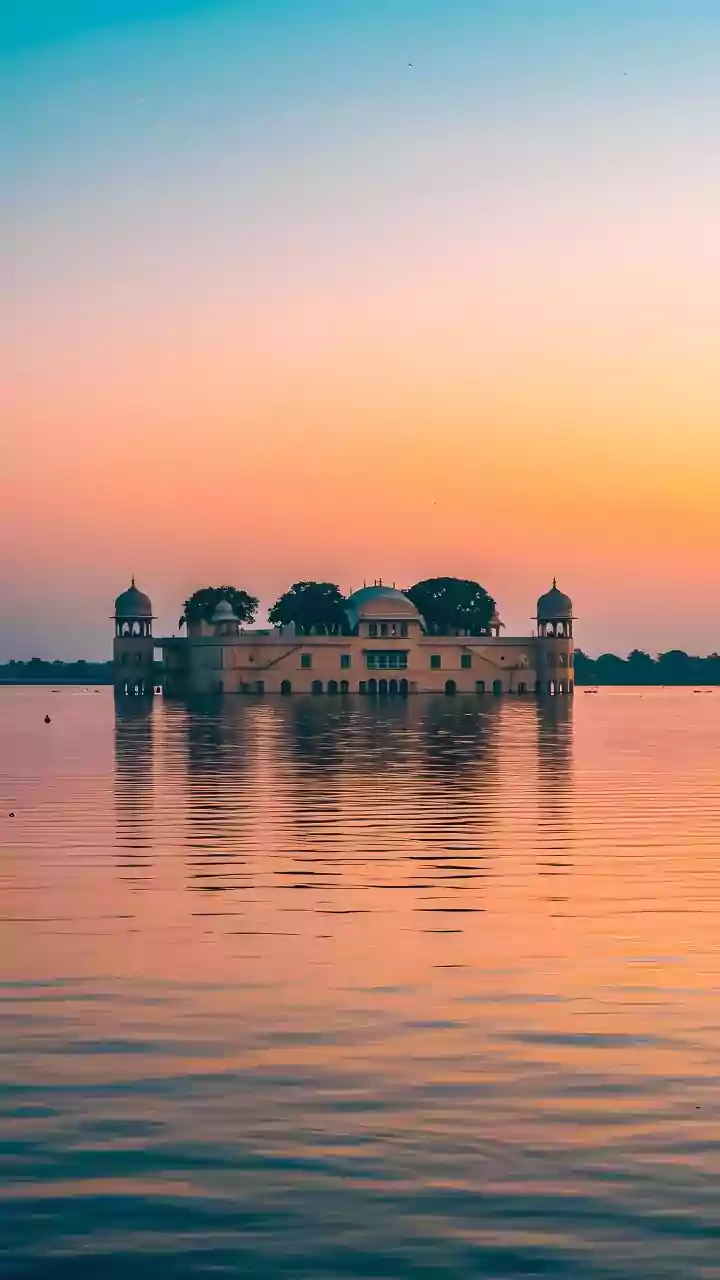
Appearing to float in the middle of Man Sagar Lake, the Jal Mahal is one of Jaipur's most tranquil and picturesque sights. While entry into the palace itself is restricted, the promenade offers stunning views, especially on a calm winter morning when the palace reflects perfectly on the water. The cool, gentle breeze and the sight of the partially submerged palace against the backdrop of the Aravalli hills make for a peaceful and photogenic stop.
Chokhi Dhani: An Evening of Culture
To experience Rajasthani culture in a single evening, head to Chokhi Dhani, a mock village resort on the outskirts of Jaipur. A cool winter evening is the ideal time to enjoy this open-air cultural extravaganza. You can enjoy traditional folk dances, music performances, puppet shows, camel rides, and an authentic Rajasthani thali dinner. It’s a lively, entertaining way to cap off a day of exploring the historical monuments of the Pink City.