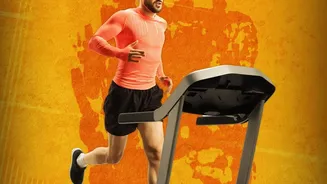






The Contenders: What Are HIIT and LISS?
High-Intensity Interval Training (HIIT) involves short, explosive bursts of all-out effort followed by brief recovery periods. Think 30 seconds of sprinting, then 60 seconds of walking, repeated for 15-20 minutes. Exercises can include burpees, jump squats,
or cycling sprints. The goal is to push your heart rate to 80-95% of its maximum during the work intervals. In contrast, Low-Intensity Steady-State (LISS) is all about maintaining a consistent, comfortable pace for a longer duration, typically 30-60 minutes. Examples include brisk walking, light jogging, or using an elliptical where you can still hold a conversation. Your heart rate stays in a lower, more manageable zone, around 50-70% of its max.
The Time Factor: Efficiency vs. Duration
For the time-crunched professional, HIIT is the clear winner in efficiency. A 15- to 25-minute HIIT session can deliver cardiovascular benefits comparable to a much longer LISS workout. This makes it incredibly appealing when you're trying to squeeze exercise between meetings and deadlines. LISS requires a greater time commitment per session, often needing 30 to 60 minutes to be effective. However, its lower intensity means it can be done more frequently, even daily for some, whereas HIIT's demanding nature requires more recovery time between sessions.
Fat Loss and Metabolism: The Afterburn vs. The Slow Burn
Both methods are effective for fat loss, but they work differently. HIIT is famous for its "afterburn effect," or Excess Post-Exercise Oxygen Consumption (EPOC). The intense effort revs up your metabolism so much that your body continues to burn calories at an elevated rate for hours after you've stopped exercising. LISS, on the other hand, primarily burns fat during the workout itself. While it may burn a lower total number of calories minute-for-minute compared to HIIT, it trains your body to become more efficient at using fat for fuel. Studies suggest both approaches can lead to similar fat loss results over time, provided calorie expenditure is matched.
Injury Risk and Sustainability: The Tortoise vs. The Hare
This is where LISS shines, especially for those new to exercise or returning after a long break. Its gentle, low-impact nature makes it easier on the joints and significantly reduces the risk of injury. This makes LISS a more sustainable long-term option for many, as it's less daunting and easier to recover from. HIIT, with its explosive movements, carries a higher risk of muscle strains and joint issues, particularly if your form is not perfect. Its high intensity can also lead to burnout if done too frequently without adequate rest. For a desk-bound professional who may be deconditioned, starting with LISS is a safer bet before incorporating more intense HIIT sessions.
The Verdict: What’s Best for a Desk-Bound Professional?
The best workout is the one you will consistently do. There is no single winner. If your schedule is packed and you're already moderately fit, 2-3 HIIT sessions per week offer incredible time efficiency and metabolic benefits. On days when you have more time and less energy, or if you're just starting your fitness journey, a LISS session is a fantastic, low-risk way to improve endurance and burn fat. Many experts recommend a hybrid approach. You could schedule two short HIIT workouts during the week and a longer, more relaxing LISS session on the weekend. This combination leverages the strengths of both methods, maximizing fat loss and cardiovascular health while minimizing the risk of injury and burnout.