






The 'Latte Factor' in India
The concept, popularised by author David Bach, is called the 'Latte Factor'. It refers to how small, regular, and often unnoticeable expenses can grow into a massive financial drain over time. While it was named after the pricey coffees common in the West,
the principle is universal. In India, it might be the 'Cutting Chai Factor' or the 'Samosa Factor'. Think about a daily indulgence: a fancy coffee for ₹200, a couple of cigarettes, or even just ordering lunch through a delivery app instead of bringing it from home. A ₹200 daily coffee habit, for instance, adds up to ₹6,000 a month and a staggering ₹72,000 a year. It's money that vanishes in small increments, never triggering the same alarm as a large purchase, but its long-term impact is just as profound.
The Real Cost: Opportunity and Compounding
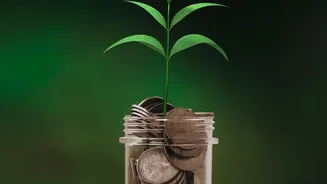
The true loss isn't just the ₹72,000 you spent in a year. The real cost is the 'opportunity cost'—what that money could have become if you had invested it. This is where the power of compounding comes into play. Compounding is the process where your investments earn returns, and then those returns start earning returns of their own, creating a snowball effect. Let's say instead of spending that ₹6,000 a month, you invested it in a mutual fund through a Systematic Investment Plan (SIP) that gives an average annual return of 12%. In 10 years, your investment of ₹7.2 lakh would have grown to over ₹13 lakh. In 20 years, it would be worth nearly ₹54 lakh. And in 30 years, it could have become a staggering ₹1.9 crore. That daily coffee isn't just costing you ₹200; it's costing you a potential fortune.
Modern Money Drains to Watch For
In urban India today, micro-purchases extend far beyond a simple snack. The rise of convenience-driven services has created new ways for our money to leak out. Quick commerce platforms like Blinkit, Zepto, and Swiggy Instamart make impulse buying of groceries and snacks incredibly easy. A study noted that urban consumers in India's top cities spend significantly more on discretionary categories like dining out and entertainment on weekends. Other common culprits include: unused subscriptions to streaming platforms, taking a cab or auto for a short distance you could have walked, and the endless lure of 'flash sales' on e-commerce apps that encourage you to buy things you don't need under the illusion of a good deal. Each transaction feels small, but together they form a powerful current pulling money away from your financial goals.
The Psychology of Small Spends
If it's so damaging, why do we do it? The reasons are often emotional and psychological. We make these small purchases for a quick mood boost, to relieve stress, or out of sheer boredom. Marketers are experts at exploiting this, creating a sense of urgency with 'limited time' offers or placing tempting items at checkout counters. These purchases provide instant gratification, releasing a feel-good chemical called dopamine in our brains, which reinforces the habit. Because the amounts are small, we don't perceive them as a threat to our financial health. It’s an emotional, spontaneous decision that overrides our logical, long-term thinking.
From Mindless Spending to Mindful Choices
The goal isn't to live a life of extreme deprivation or to never enjoy a cup of good coffee again. The point of understanding the Latte Factor is to shift from mindless spending to mindful consumption. Start by tracking your expenses for a week. You might be shocked to see where your money is really going. Once you have the data, you can make conscious decisions. Can you make coffee at home three days a week? Could you meal-prep your lunches? Can you set a monthly budget for 'fun money' that you can spend guilt-free? Automating your savings the moment you get your salary is another powerful strategy—the money you don't see, you're less likely to spend. By making small, deliberate changes, you can plug these financial leaks and redirect that powerful stream of cash towards building the future you actually want.