







The Rise of the Cloud Kitchen
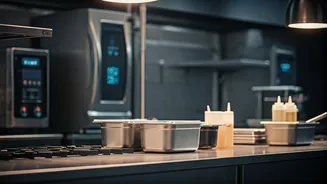
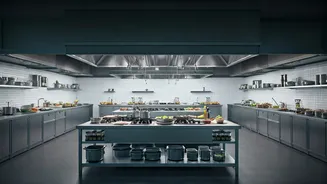
At the heart of this transformation is the 'cloud kitchen'—also known as a ghost or dark kitchen. These are delivery-only restaurants with no physical storefront or seating. By eliminating the need for expensive high-street real estate and front-of-house
staff, cloud kitchens drastically reduce startup costs, which can be 70% lower than a traditional dine-in restaurant. For a new founder, this means the initial investment is significantly smaller, typically ranging from ₹10-25 lakhs, making the dream of starting a food business more attainable. This model allows entrepreneurs to focus their capital on what matters most: quality ingredients and an efficient cooking operation. The Indian cloud kitchen market, valued at over a billion dollars, is projected to grow substantially, driven by this asset-light approach to food service.
Delivery Apps as Digital Storefronts
Food aggregator platforms like Zomato and Swiggy have become the digital main streets of the 21st century. For a new food brand, getting listed on these apps provides instant visibility to millions of potential customers, a reach that would previously have required a massive marketing budget. These platforms level the playing field, allowing a small, home-grown biryani brand to appear alongside an established multinational chain. They handle the entire customer-facing experience, from order-taking and payment processing to logistics and delivery, freeing founders to concentrate on their culinary craft. This symbiotic relationship has enabled rapid expansion, with some brands launching in new neighbourhoods in a matter of weeks, a feat unimaginable in the era of brick-and-mortar.
Data-Driven Menus and Hyper-Local Marketing
One of the most powerful tools these platforms offer is data. Founders can now access insights into which dishes are selling, at what times, and in which specific localities. Modern AI tools can even analyze ordering patterns based on festivals, weather, or major sporting events. This allows for dynamic menu engineering and targeted marketing. A founder might notice a spike in demand for snacks during cricket matches and create a special combo, or use customer feedback to refine a recipe. Furthermore, the multi-brand cloud kitchen model has become a dominant strategy. Entrepreneurs can launch several virtual brands—like a pizza place, a health bowl company, and a dessert bar—all from a single kitchen, using the same staff and equipment to capture different customer segments and maximize operational efficiency.
The Challenges of a Crowded Digital Space
While the barriers to entry are lower, the path is not without its obstacles. The very ease of starting a cloud kitchen has led to intense competition. Profitability hinges on mastering unit economics, a delicate balance of food costs, packaging, and, most critically, the high commission fees charged by delivery aggregators, which can range from 15-30% per order. This reliance on platforms for demand can severely erode margins, and many kitchens struggle to remain profitable. In some metro markets, up to 50% of operations have found it difficult to stay afloat, with many closing within their first year. Success now requires more than just a great product; it demands sharp financial discipline, operational excellence, and building a strong brand identity that encourages customer loyalty beyond the aggregator app.