


The Psychology of the Impulse Buy
Fast fashion retailers have perfected the art of the quick conversion. Their business model is built on creating a sense of urgency and desire. By dropping dozens of new collections weekly instead of seasonally, they tap into our fear of missing out (FOMO).
Limited stock announcements and countdown timers for sales trigger a panic-buy impulse. This is paired with incredibly low prices, which can activate the pleasure centers in our brains even more than the purchase itself. Researchers have found that this constant cycle of temptation, combined with the dopamine hit of getting a bargain, creates a pattern similar to addiction, encouraging frequent, thoughtless consumption. Many shoppers report buying things on impulse to soothe negative emotions, only to feel regret later when the items sit unworn, tags still attached.
The Hidden Cost of Low Prices
That five-dollar t-shirt comes with a much higher price tag for the planet and people. The fast fashion industry is a major global polluter, responsible for an estimated 10% of total global carbon emissions. The production process consumes vast amounts of resources. It can take around 2,700 liters of water to produce a single cotton shirt. Furthermore, the industry is a significant source of water pollution, with toxic dyes from textile treatment often dumped into rivers and streams. The reliance on cheap, synthetic fabrics like polyester, which is derived from fossil fuels, also means that every wash cycle releases thousands of microplastics into our oceans. Beyond the environmental toll, there is a human cost. The drive for low prices often leads to poor working conditions and low wages for garment workers in developing countries.
How to Pause: The 72-Hour Cart Rule
The single most effective way to combat impulse buying is to introduce a mandatory waiting period. The next time you fill your online shopping cart, don't click 'buy now'. Instead, close the tab and commit to waiting for 72 hours. This simple delay allows the initial dopamine rush and the artificially created sense of urgency to fade. After three days, revisit your cart and look at the items with fresh eyes. Ask yourself if you still feel the same pull. More often than not, you'll find that the desire for several items has vanished. This technique puts you back in control, separating genuine need from a manufactured want. It's a small change in habit that can lead to significant savings and a much more intentional wardrobe.
Ask Yourself: The 30-Wears Test
Before any new clothing purchase, apply the "30 Wears Test," a concept popularized by sustainability advocate Livia Firth. The question is simple: "Will I wear this item at least 30 times?" Answering honestly forces you to consider the item's true value and longevity beyond the initial trend. A trendy top that might feel dated in a few months is unlikely to pass, while a classic, well-made jacket probably will. This shifts your mindset from disposable fashion to long-term investment. Calculating the 'cost per wear' can be revealing: a cheap INR 400 top worn twice has a cost per wear of INR 200, while a more expensive INR 2500 jacket worn 50 times has a cost per wear of just INR 50. This simple question helps you prioritise quality and build a wardrobe of pieces you'll love and wear for years, not just weeks.
Define Your Personal Style
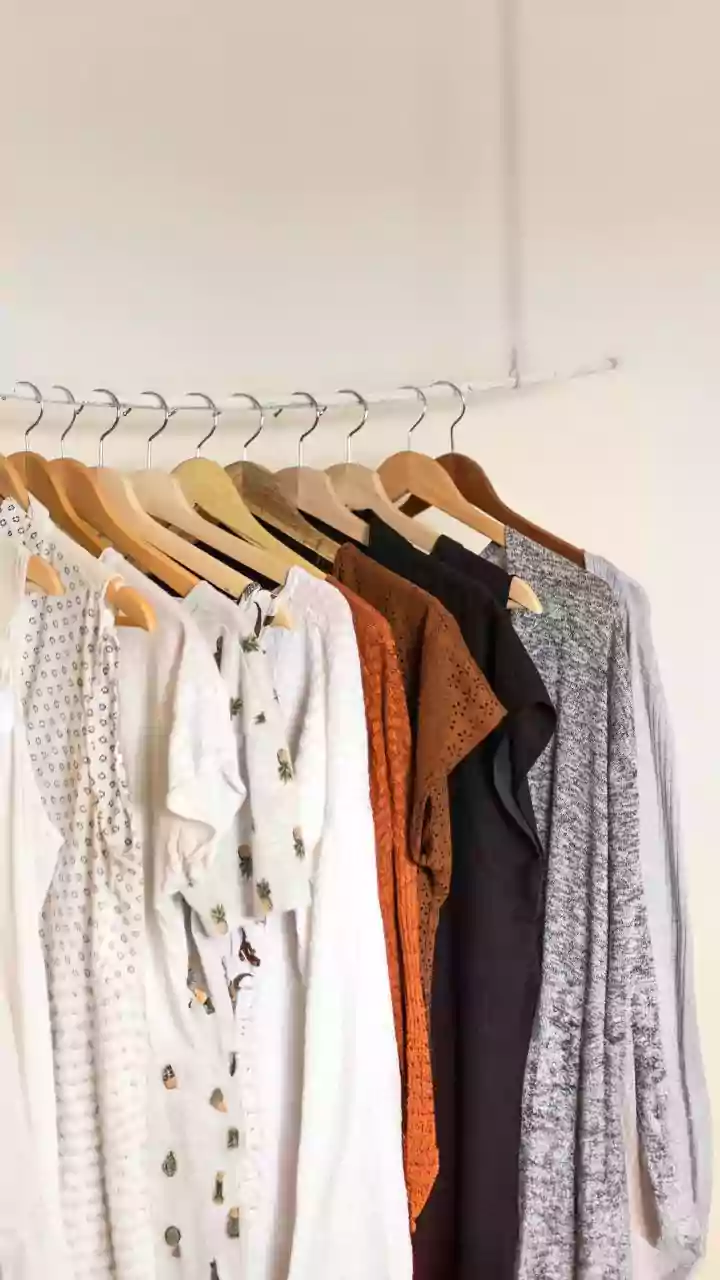
Slowing down your consumption is the perfect opportunity to move from being a trend follower to a style setter. Fast fashion encourages a uniform look, pushing the same micro-trends on everyone. A mindful approach to shopping helps you discover what you truly love to wear. Start by looking at what's already in your closet. What are the pieces you reach for again and again? What colours and silhouettes make you feel most confident? Building a smaller, more versatile wardrobe of high-quality essentials—often called a 'capsule wardrobe'—can reduce decision fatigue and daily stress. It simplifies your mornings and ensures that everything you own is something you genuinely enjoy wearing, creating a style that is authentic to you, not dictated by a fast-moving algorithm.