






A Spectrum of Screens, A Single Habit
The Indian entertainment landscape is no longer a battle between formats, but a fluid ecosystem where they coexist. Recent data paints a clear picture: audiences are consuming a vast amount of both short-form and long-form video, often in the same day.
According to a 2026 Ormax Media report, India's digital video audience has swelled to nearly 665 million people, with the average viewer spending almost 15 hours a week watching online video. This time is split between the quick, engaging hits of platforms like Instagram Reels and YouTube Shorts, and the immersive storytelling of OTT services like Netflix, Prime Video, and JioHotstar. This isn't a case of one format replacing the other; it's about audiences developing a flexible habit tailored to their context—a short video during a commute, and a full-length movie on a relaxed weekend evening.
Short-Form as the New Discovery Engine
One of the most significant trends is the role of short-form video as a powerful discovery tool for long-form content. A viral Reel featuring a dialogue from a new web series or a fan-made edit set to a movie's soundtrack often serves as the first point of contact for viewers. According to Meta, Reels leads consumption across genres like music and movies, driving cultural conversations. This creates a powerful funnel: a viewer discovers a catchy audio clip on Shorts, gets curious about its origin, and ends up binge-watching the entire series on an OTT platform. Platforms themselves are leaning into this synergy. YouTube, for instance, encourages creators to use its 'Related Videos' feature to link Shorts directly to their longer videos, creating a frictionless path for interested viewers. This makes short-form content less of a competitor and more of a complimentary trailer for the deeper narratives available on streaming services.
Redefining Primetime and The Second Screen
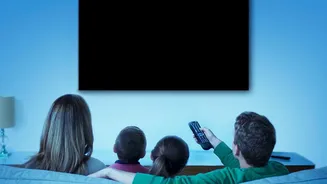
The concept of a fixed primetime viewing window has been completely dismantled. Primetime is now personal and fragmented. For many, it's the 'in-between' moments filled with scrolling through short videos. Reports from 2025 and 2026 highlight that daily usage of short-form video platforms surpasses even traditional television. But the big screen is far from dead; it's just being used differently. India has seen staggering growth in Connected TV (CTV) usage, with the audience growing by 60% in 2026 alone to reach over 206 million people. This points to a hybrid behaviour: people might browse short videos on their phones during the day but prefer to watch a movie or a major sporting event on a large television screen in the evening. This dual-device usage shows that viewers are choosing the best screen for the content, blending the personal, mobile-first experience of Shorts with the shared, cinematic experience of OTT on a smart TV.
The Rise of New Content Formats
This blended consumption has also given rise to new and intermediate content formats, most notably the 'microdrama'. These are short, vertical, episodic series designed for mobile viewing, sitting perfectly between a 60-second Reel and a 45-minute OTT episode. Platforms like Hungama and even YouTube are investing in this format, recognising that audiences are hungry for narrative content that fits into smaller pockets of time. The growth of microdramas, along with the popularity of K-dramas and anime, shows that audience tastes are diversifying rapidly. This trend blurs the lines further, demonstrating that the future isn't just a mix of long and short, but a spectrum of video lengths designed for different moods and moments.