





The Quiet Years of 'Healthy' Eating
For the better part of a decade, a wave of global wellness trends washed over urban Indian kitchens. "Healthy" often became synonymous with "less." Less oil, less spice, less salt. Traditional fats like ghee and mustard oil were sidelined in favour of imported
olive oil. Complex, slow-cooked masalas were replaced by quick, all-purpose powders. This wasn't a rejection of Indian food, but a reinterpretation of it through a Western lens of calorie-counting and simplified nutrition. The goal was clean eating, but in the process, some of the very soul of our cuisine—its intricate layers of flavour and regional diversity—was unintentionally muted. The result was often food that was nutritious but lacked the nostalgic punch and deep satisfaction we associate with a truly home-cooked meal.
The Pandemic's Culinary Awakening
Then came the lockdowns. Confined to our homes, we found ourselves with something we hadn't had in a long time: time. We baked bread, but more importantly, we reconnected with our own culinary roots. Stripped of restaurant access and takeaways, the kitchen became a sanctuary and a laboratory. People started calling their mothers and grandmothers for long-forgotten recipes. The slow, meditative process of grinding spices, of letting a curry simmer for hours, became a form of therapy. This wasn't just about sustenance; it was about comfort. In a world of uncertainty, the familiar, robust flavours of dal makhani, kosha mangsho, or a fiery Goan curry offered a powerful sense of security and connection to our past. This enforced domesticity reignited a national passion for authentic home cooking.
Rediscovering Our Regional Roots
This renewed passion quickly evolved into a deeper exploration. Cooks began to look beyond the generic "paneer butter masala" and "chicken tikka" that dominated mainstream food culture. They started digging into the specifics of their own heritage. Suddenly, social media was filled with pictures of Malvani fish curry, Chettinad pepper chicken, and Kashmiri rogan josh made from scratch. The conversation shifted from North vs. South to the nuances that distinguish a Bengali mustard paste from a Bihari one, or the use of pathar ke phool (stone flower) in Hyderabadi masalas. This hyper-regional focus meant celebrating ingredients and techniques unique to a specific community or even a single family, turning every meal into a discovery of India's immense culinary diversity.
More Than Just More Masala
The flavour revival isn't just about adding more chilli powder. It's a holistic embrace of complexity. Traditional fats, once demonized, are making a triumphant return. Ghee is being celebrated for its nutty flavour and high smoke point, while cold-pressed mustard, coconut, and groundnut oils are valued for the distinct regional character they bring to a dish. Fermentation, a cornerstone of traditional Indian food preservation, is also back in the spotlight. Homes are once again filled with jars of pungent pickles (achaar), tangy fermented drinks like kanji, and carefully prepared batters for dosa and appam. Souring agents are also being explored with new curiosity, moving beyond the standard lemon and tomato to embrace the fruity tartness of kokum, the deep tang of tamarind, and the subtle sourness of dried mango (amchur).
A New Look for the Modern Pantry
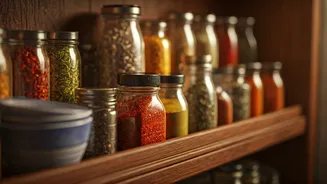
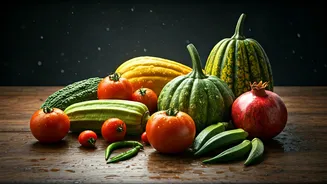
This shift is clearly visible in our shopping baskets and on our kitchen shelves. The demand for single-origin spices—turmeric from Lakadong, pepper from Wayanad—has skyrocketed as consumers seek out more potent and authentic flavours. A cottage industry of small-batch, artisanal masala makers has emerged, offering freshly ground, preservative-free blends for specific regional dishes that were previously impossible to find commercially. Supermarket aisles are also reflecting this change, with a greater variety of local millets, heirloom rice varieties, and regional vegetables taking up prime real estate. The modern Indian pantry is no longer a pale imitation of a Western one; it's a vibrant, confident celebration of its own rich and flavourful terroir.