

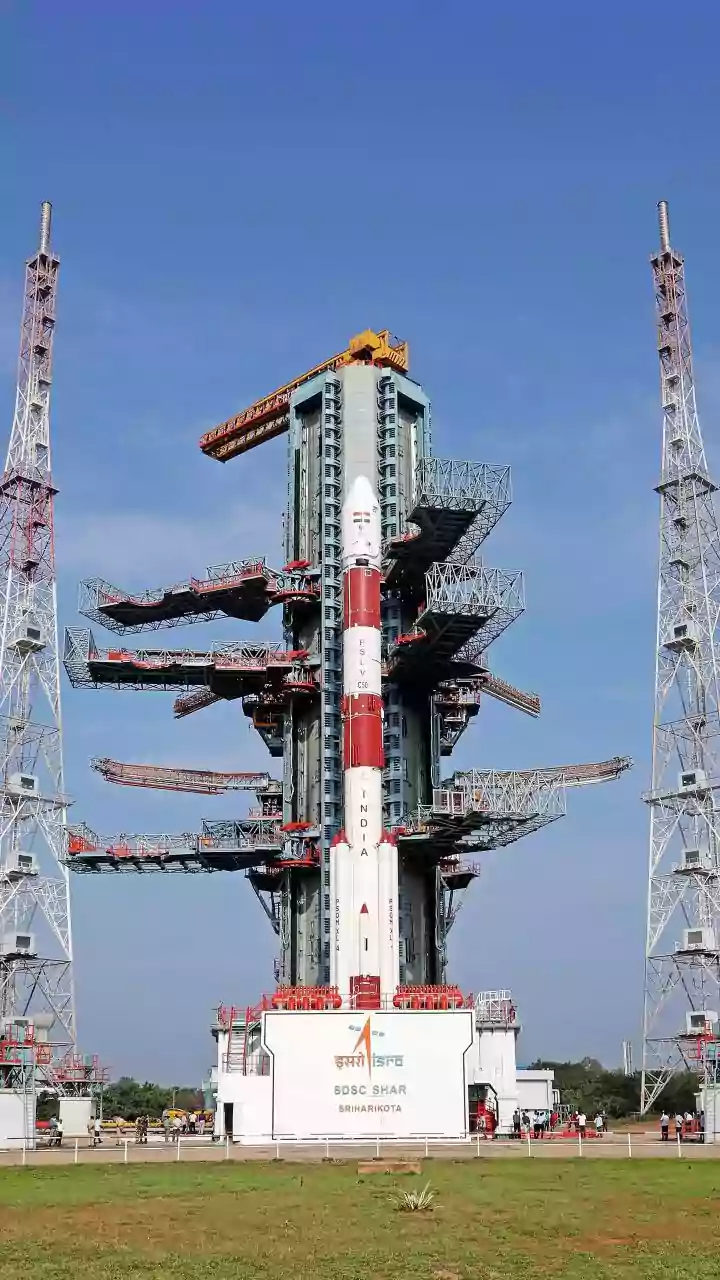


Shukrayaan-1: India’s Next Interplanetary Leap
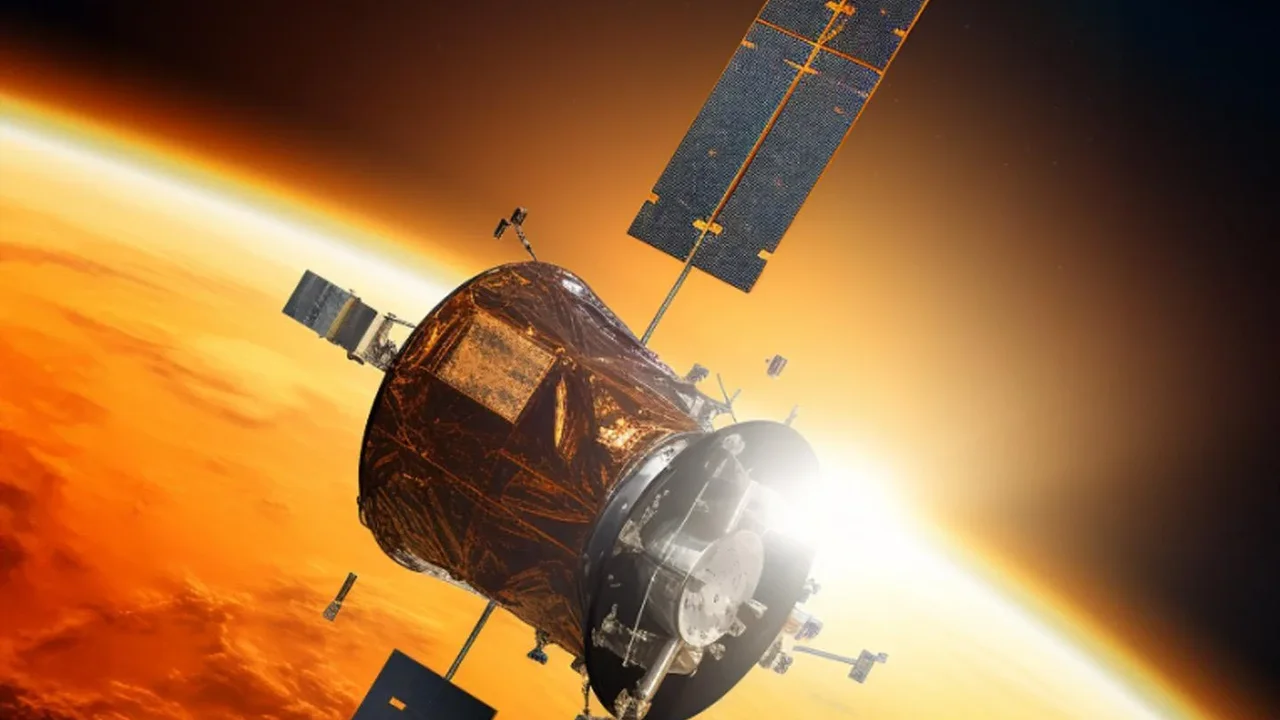
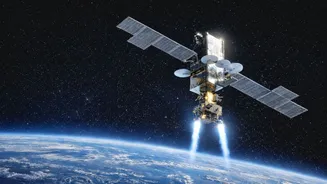
Following the historic success of the Mangalyaan Mars mission, the Indian Space Research Organisation (ISRO) is setting its sights on Earth's other neighbour. The mission, officially named the Venus Orbiter Mission (VOM) and popularly known as Shukrayaan-1,
is India's first dedicated voyage to Venus. Formally approved by the government in September 2024, the mission is currently scheduled for a launch on March 29, 2028. This ambitious project aims to place a 2,500 kg orbiter, packed with scientific instruments, into a path around Venus to conduct a comprehensive study of the planet. The primary goals are to investigate the mysterious Venusian atmosphere, map its surface and subsurface, and understand its interaction with the solar wind.
Why Venus Holds So Many Secrets
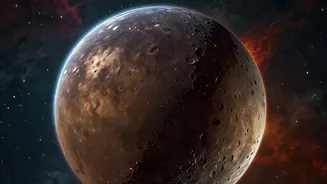
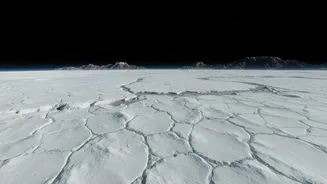
Often called Earth's "twin" due to its similar size and mass, Venus couldn't be more different in reality. It's the hottest planet in our solar system, with a surface temperature that can melt lead and a crushing atmospheric pressure over 90 times that of Earth's. Its atmosphere is a toxic brew of over 96% carbon dioxide with thick clouds of sulfuric acid. Scientists believe Venus suffers from a runaway greenhouse effect, a scenario that offers a stark warning and a valuable case study for understanding climate change on our own planet. Furthermore, there is compelling evidence suggesting that Venus might still have active volcanoes. Confirming this activity is a key scientific goal, as it would provide crucial insights into the planet's internal geology and its atmospheric evolution.
The Game-Changer: A Balloon Probe
While the main Shukrayaan-1 craft will be an orbiter, one of its most exciting components is a proposed atmospheric probe. This instrumented balloon, deployed from the orbiter, would descend into the Venusian atmosphere to an altitude of about 55 kilometres. At this height, conditions are relatively benign compared to the surface, with temperatures around 30°C and pressure similar to Earth's—a zone some scientists consider potentially habitable for microbial life. The balloon, carrying a payload of approximately 10 kg, will float through the acidic cloud layers, making direct, in-situ measurements that are impossible to get from orbit. This concept was partly inspired by French proposals from the successful Soviet Vega missions in 1985, which also used balloons to study Venus.
The Science of Sniffing for Volcanoes
The probe's main task is to act as a planetary detective, 'sniffing' the atmosphere for specific gases that would be tell-tale signs of active volcanism. On Earth, volcanoes spew large amounts of sulphur dioxide (SO₂), carbon monoxide (CO), and water vapour (H₂O). Finding localised, fluctuating concentrations of these gases in the Venusian atmosphere would be strong evidence that they are being replenished from below by ongoing eruptions. The orbiter itself carries several sophisticated instruments, including the Venus InfraRed Atmospheric Gases Linker (VIRAL), a collaborative payload with Russia and France. This instrument uses spectroscopy to study the chemical composition of the atmosphere, looking for these very gases. The balloon probe provides a crucial second layer of data, directly sampling the environment to confirm and detail the findings from orbit, providing a much clearer picture of what’s happening in the clouds.
Unlocking Clues to a Runaway Climate
Measuring volcanic gases isn't just about finding active volcanoes. These measurements are a critical piece of the puzzle in understanding Venus's entire climate system. The interaction between gases released from the interior and the thick atmosphere drives the planet's extreme weather and runaway greenhouse effect. By studying the chemical makeup and dynamics of the atmosphere, particularly the role of volcanic outgassing, scientists can build better models for how planetary climates evolve. This knowledge is not just for understanding Venus; it helps us comprehend the delicate balance of Earth's own atmosphere and the long-term consequences of atmospheric changes. Shukrayaan-1's investigation, therefore, extends far beyond Venus, contributing to our understanding of habitable worlds and planetary evolution across the galaxy.