
The Enduring Power of Sattu
Sattu, a flour made from roasted Bengal gram (chana), is a long-celebrated superfood in Indian households, especially in regions like Bihar, Punjab, and Uttar Pradesh. For centuries, it has been the go-to source of instant energy for farmers and labourers.
Traditionally mixed with water, salt, and lemon juice to create a cooling sharbat, sattu is revered for its hydrating properties and ability to provide sustained fuel. This simple, rustic ingredient is packed with nutrients, making it far more than just a traditional staple. Its affordability and long shelf life have made it a cornerstone of diets, but its true potential is now being unlocked in modern kitchens.
A Nutritional Profile Built for Fitness
Sattu's nutritional resume is impressive and perfectly suited for an active lifestyle. It is an excellent source of plant-based protein, typically containing around 20-25 grams of protein per 100 grams. This makes it a fantastic tool for muscle repair and growth, especially for vegetarians and vegans. Beyond protein, it is rich in dietary fibre, which aids digestion, promotes a feeling of fullness, and helps manage weight by reducing unnecessary snacking. Sattu also boasts a low glycemic index (GI), meaning it releases energy slowly and prevents sudden spikes in blood sugar. This provides sustained energy for workouts and helps in managing blood sugar levels. Furthermore, it is loaded with essential minerals like iron, magnesium, and calcium that support overall health, metabolism, and bone strength.
From Drink to Meal: The Smoothie Bowl Advantage
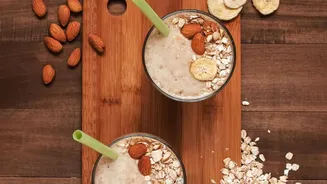
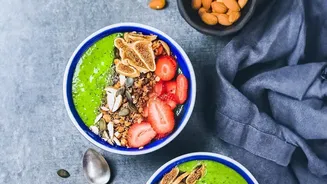
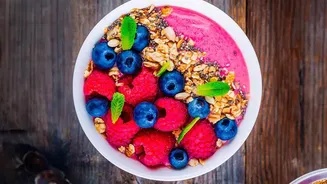
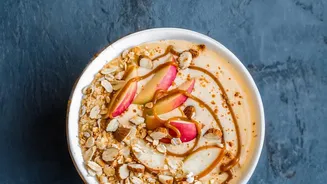
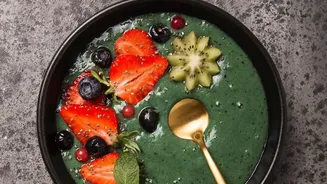
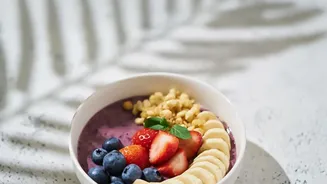
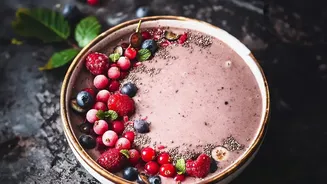
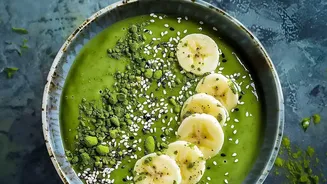
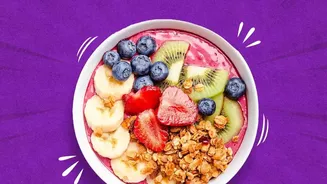
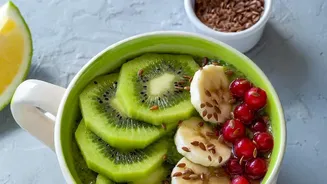
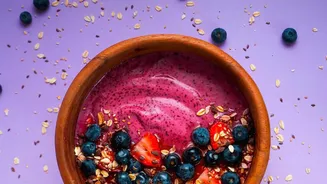
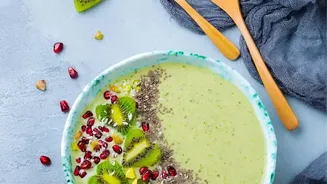
While a sattu drink is refreshing, transforming it into a smoothie bowl elevates it from a quick drink to a complete, satisfying meal. The thick, spoonable consistency is more satiating than a liquid shake, making you feel fuller for longer. A bowl also serves as the perfect canvas for a variety of toppings, which not only add delightful textures but also boost the nutritional value. You can add fresh fruits for vitamins, nuts and seeds for healthy fats and extra protein, and a sprinkle of granola for a satisfying crunch. This versatility allows you to customise your meal based on your fitness goals, whether you need a post-workout recovery meal or a protein-packed breakfast to start your day strong.
How to Build Your Base Sattu Smoothie Bowl
Creating a sattu smoothie bowl is simple and highly adaptable. The key is to get the right balance of ingredients to achieve a thick, creamy texture that can be eaten with a spoon. Start with a base liquid, blend in the sattu and your choice of fruit, and add any extras for flavour and nutrition. A typical base formula looks like this: Sattu Flour: 3-4 tablespoons. Liquid: Around 200-250ml of milk, almond milk, oat milk, or even curd/yoghurt for extra creaminess and protein. Fruit for Thickness and Sweetness: A frozen banana is ideal for creating a creamy, ice-cream-like texture. Mango, berries, or chikoo also work well. Optional Sweetener: If your fruit isn't sweet enough, consider adding 1-2 soft dates, a teaspoon of jaggery, or honey. Blend all these ingredients until smooth. If the mixture is too thin, add a little more sattu or a few more pieces of frozen fruit. If it's too thick, add a splash more liquid.
Toppings That Transform Your Bowl
The toppings are where you can get creative and add another layer of nutrition and texture. A well-topped bowl is not just more visually appealing but also more balanced. Here are some ideas to get you started: For Crunch: Chopped almonds, walnuts, pistachios, or a sprinkle of pumpkin seeds and sunflower seeds. For Healthy Fats: Chia seeds, flax seeds, or a dollop of peanut or almond butter. For Freshness: Sliced fresh fruits like bananas, strawberries, pomegranate arils, or mango chunks. For Fibre: A handful of rolled oats or your favourite granola. * For Flavour: A pinch of cinnamon or cardamom powder can add a warm, aromatic touch to your bowl.