







The convenience of getting anything from groceries to electronics delivered in minutes is no longer a big-city luxury. A quiet revolution is reshaping India's economic landscape, with smaller cities becoming the new hubs for this delivery boom.
The Rise of the 'Dark Store'
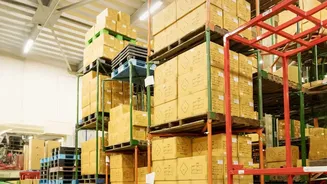
At the
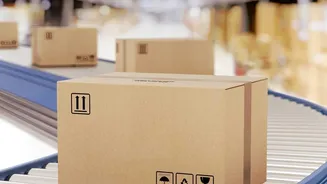
heart of this transformation is the micro-fulfillment center (MFC), often called a 'dark store'. Unlike a traditional retail shop, these are not open to the public. Instead, they are small, strategically located warehouses designed exclusively for processing online orders at high speed. Think of them as compact, hyper-efficient hubs that stock fast-moving products, enabling delivery platforms to get items to your doorstep in as little as 10-30 minutes. This model is a direct response to soaring customer expectations for speed, moving away from giant, out-of-town warehouses towards a dense network of neighbourhood facilities that drastically cut down the last-mile delivery journey.
Why Smaller Cities are the New Frontier
For years, the e-commerce story was dominated by metros. Now, companies are aggressively expanding into Tier 2 and Tier 3 cities like Jaipur, Lucknow, Coimbatore, and Nagpur. There are several key reasons for this strategic shift. Firstly, real estate is more affordable, and overhead costs are lower than in congested major cities. Secondly, these urban centers represent a massive, largely untapped customer base with rising purchasing power and internet penetration. As companies adopt a 'hub-and-spoke' model, these smaller cities are becoming crucial links in the national supply chain, allowing for faster, more reliable service to a wider population.
More Than Just Delivery Gigs
The most visible part of this boom is the legion of delivery partners, but the job creation goes much deeper. Each micro-fulfillment center requires a full team to function, creating a new layer of formal employment opportunities within these communities. These roles span various skill levels, including warehouse associates for picking and packing, inventory managers to handle stock using modern software, and operations managers to oversee the daily workflow. This decentralization of logistics infrastructure means that young people can find well-paying jobs with statutory benefits without having to migrate to expensive metropolitan areas. It also introduces valuable skills in logistics technology and supply chain operations directly into the local talent pool.
The Ripple Effect on Local Economies
The impact of these centers extends beyond direct employment. The influx of new jobs boosts local household incomes, which in turn fuels consumer spending in the area. This creates a positive feedback loop, stimulating local real estate markets as the demand for small commercial spaces grows. Furthermore, this modern logistics network makes smaller cities more attractive to other businesses, particularly direct-to-consumer (D2C) brands that can now reach customers more efficiently. By building this hyperlocal infrastructure, e-commerce and quick-commerce companies are doing more than just delivering packages; they are integrating Tier 2 and Tier 3 cities more deeply into India's digital economy and fostering more inclusive growth.
The Road Ahead
This expansion is not without its challenges. Success depends on adapting to local market conditions, managing inventory effectively, and ensuring financial sustainability. To reduce costs and accelerate penetration into new markets, many operators are exploring franchise-led models, partnerships with local kirana stores, and shared infrastructure where multiple brands can use common facilities. As the sector matures, the focus is shifting from pure speed to sustainable, cost-efficient growth. This boom in warehousing and logistics is not seen as a temporary trend but a fundamental strategic shift, creating a durable engine for employment and economic development across the nation.