


A Winter Without the Usual Chill
This year, the typical conversation about packing woollens might change. Climate scientists are tracking a significant El Niño event, dubbed a “Godzilla” El Niño by some, which is strengthening in the Pacific Ocean and expected to last until at least
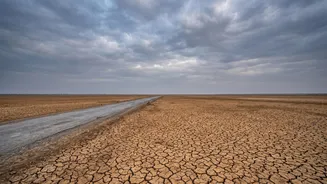
February 2027. For India, this phenomenon is often linked to altered weather patterns. Forecasts indicate a high probability of above-normal temperatures across the country during the post-monsoon and winter months. While this doesn’t mean winter will be cancelled, it does suggest that the season could be significantly milder and drier than usual, a trend that has been developing over the past few years. This potential for a less chilly winter has direct implications for a season that many travellers associate with either snow-capped mountains or pleasant, cool plains.
The Himalayan Question Mark
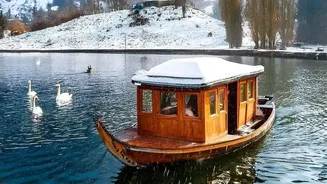
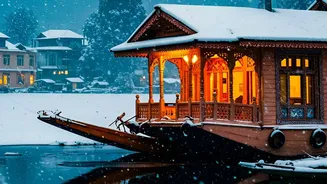
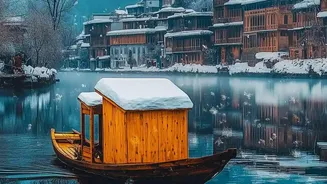
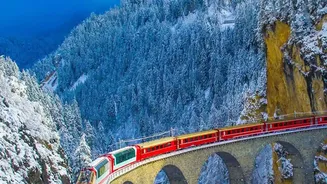
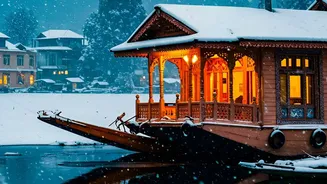
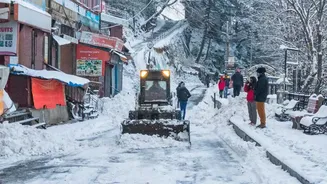
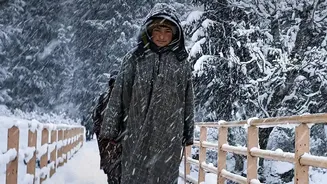
For countless travellers, winter means one thing: snow. Destinations in Himachal Pradesh, Uttarakhand, and Kashmir are usually bursting with visitors hoping to experience a white winter. However, a warmer season could make this a gamble. Experts suggest that the peak of the El Niño event may result in low snowfall across the northern mountains. This doesn't rule out snow entirely, especially at very high altitudes, but it could mean that the widespread, accessible blankets of white that tourists flock to see may be less reliable. Travellers dreaming of skiing, snowboarding, or simply building a snowman in popular resorts might need to adjust their expectations or plan trips with more flexibility, keeping a close eye on short-term weather forecasts before booking.
A Surge Towards the Sun and Sand
As the allure of a snowy holiday becomes less certain, the appeal of India’s southern and coastal destinations is set to grow stronger. A warmer winter up north makes the reliably balmy and pleasant weather of the south an even more attractive proposition. States like Kerala, with its serene backwaters and lush landscapes, and Goa, with its famous beaches and vibrant culture, are likely to see a significant uptick in demand. Similarly, the Andaman and Nicobar Islands offer a perfect tropical escape. These destinations provide the 'winter sun' that many travellers seek, offering a comfortable climate for outdoor activities, sightseeing, and relaxation without the risk of extreme cold or weather-related disruptions.
Exploring Beyond the Beaten Path
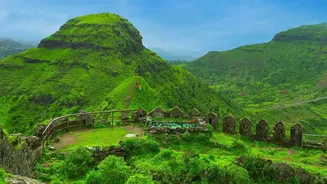
The predicted weather shifts align with a broader trend already shaping Indian tourism in 2026: the move toward experience-led and offbeat travel. With 84% of Indian travellers already expressing concern over extreme weather affecting their plans, many are becoming more adaptable. Unpredictability in traditional winter spots may accelerate this trend, encouraging tourists to explore new territories. This could be a boon for wildlife tourism, as winter is an ideal time to visit national parks like Bandhavgarh or Ranthambore. It could also boost interest in the cultural and heritage destinations of Rajasthan or the unique landscapes of Northeast India, which offer rich experiences that aren’t solely dependent on a specific weather outcome like snowfall.
How to Plan Your Winter Holiday
In a year of climatic uncertainty, smart planning is more crucial than ever. The first step is to stay informed. Instead of booking months in advance based on past experiences, monitor weather forecasts from reliable sources like the India Meteorological Department (IMD) as your travel dates approach. Secondly, consider destinations that offer a wider range of activities not entirely dependent on weather. Opting for a place with a mix of indoor and outdoor attractions can safeguard your holiday from disappointment. Finally, look for flexible booking options. Many hotels and travel companies now offer more lenient cancellation or rescheduling policies, which can provide peace of mind when planning a trip during an unpredictable season.