


Seal the Gaps First
Before you buy any gadgets, your first and most effective step is to stop polluted air from getting in. Outdoor pollutants are sneaky, entering through tiny gaps around window frames, under doors, and through exhaust fan openings. Most Indian homes are not
naturally airtight. You can significantly reduce this infiltration by using weatherstripping tape for windows and door seals for the gaps at the bottom of your doors. Even a rolled-up towel placed at the base of a door can make a noticeable difference. This simple, low-cost action is the foundation of a cleaner indoor environment.
Choose the Right Air Purifier
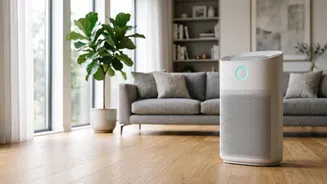
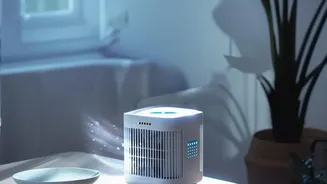
An air purifier is a powerful tool, but only if you choose the right one. Look for a model with a High-Efficiency Particulate Air (HEPA) filter, which is designed to capture tiny, harmful particles like dust, pollen, and smoke. Pay attention to the Clean Air Delivery Rate (CADR), which tells you how quickly the purifier can clean a room. The general rule is to match the CADR to your room size; a larger room needs a higher CADR to be effective. For a standard bedroom in an Indian metro, a CADR of 200-300 m³/h is a good starting point. Place the purifier in the room you use most, like the bedroom, and run it consistently for the best results.
Embrace Wet Cleaning
Dry dusting and sweeping can often make the problem worse by simply moving dust from one surface into the air. The better approach is wet cleaning. Use a damp cloth to wipe down surfaces like tables, shelves, and countertops. This traps the dust instead of sending it airborne. Similarly, mopping floors with a wet mop is far more effective at removing settled dust than sweeping with a broom. Make this a regular part of your cleaning routine, especially during high-pollution months, to keep dust levels down.
Ventilate Smartly
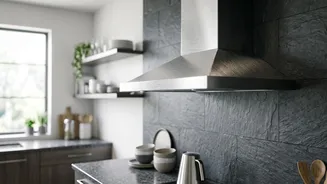
Even in winter, ventilation is crucial to expel stale, pollutant-filled indoor air. The key is timing. Air quality is often at its worst in the early mornings and evenings. Experts suggest the best time to open windows for about 15-20 minutes is typically in the early afternoon, between 1 PM and 3 PM, when sunlight can help dissipate some of the pollutants. Also, always use your exhaust fans in the kitchen and bathroom. Cooking, especially Indian-style frying, can be a major source of indoor pollution, and exhaust fans vent these particles outside.
Adopt Cleaner Habits
Small changes in daily habits can have a big impact on your indoor air quality. Make it a rule to leave shoes at the door to avoid tracking in dust and pollutants from outside. If you have pets, groom them regularly to reduce dander, which is a common allergen. Avoid burning incense and candles, which release fine particulate matter directly into your air. If you use a mosquito coil or repellent, ensure the room is ventilated. And, most importantly, never allow smoking inside the house.
Consider Indoor Plants
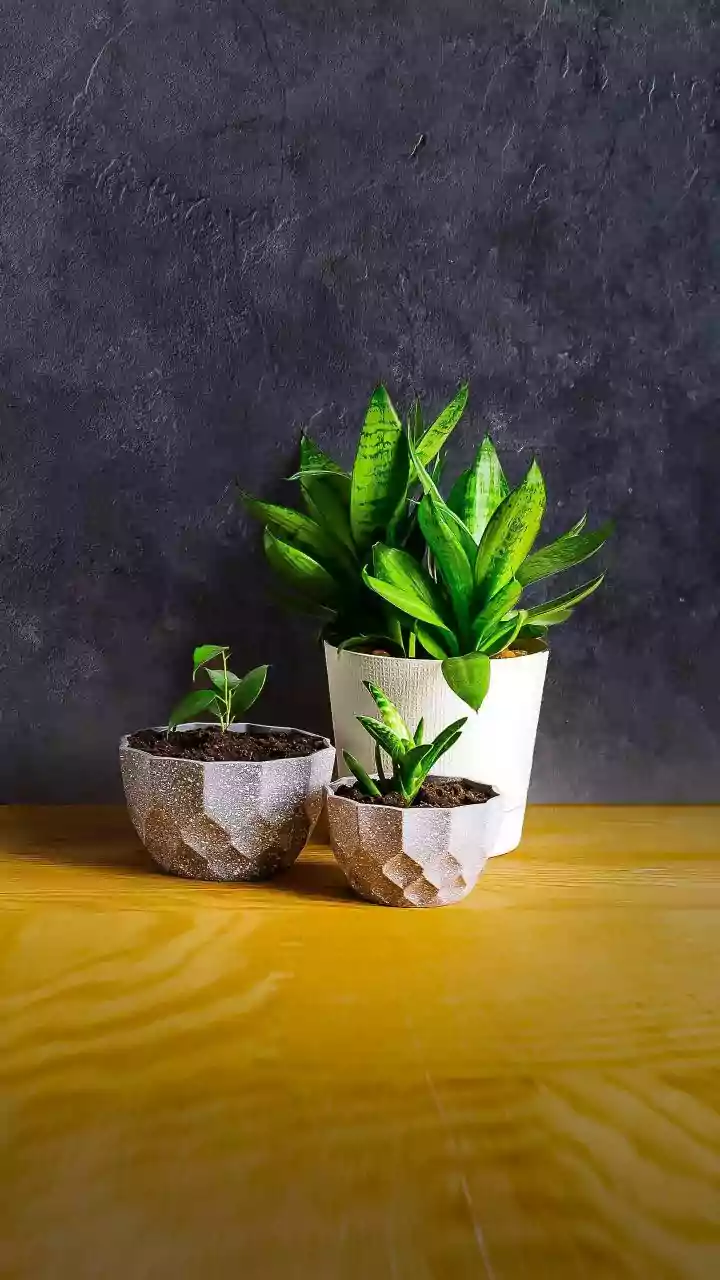
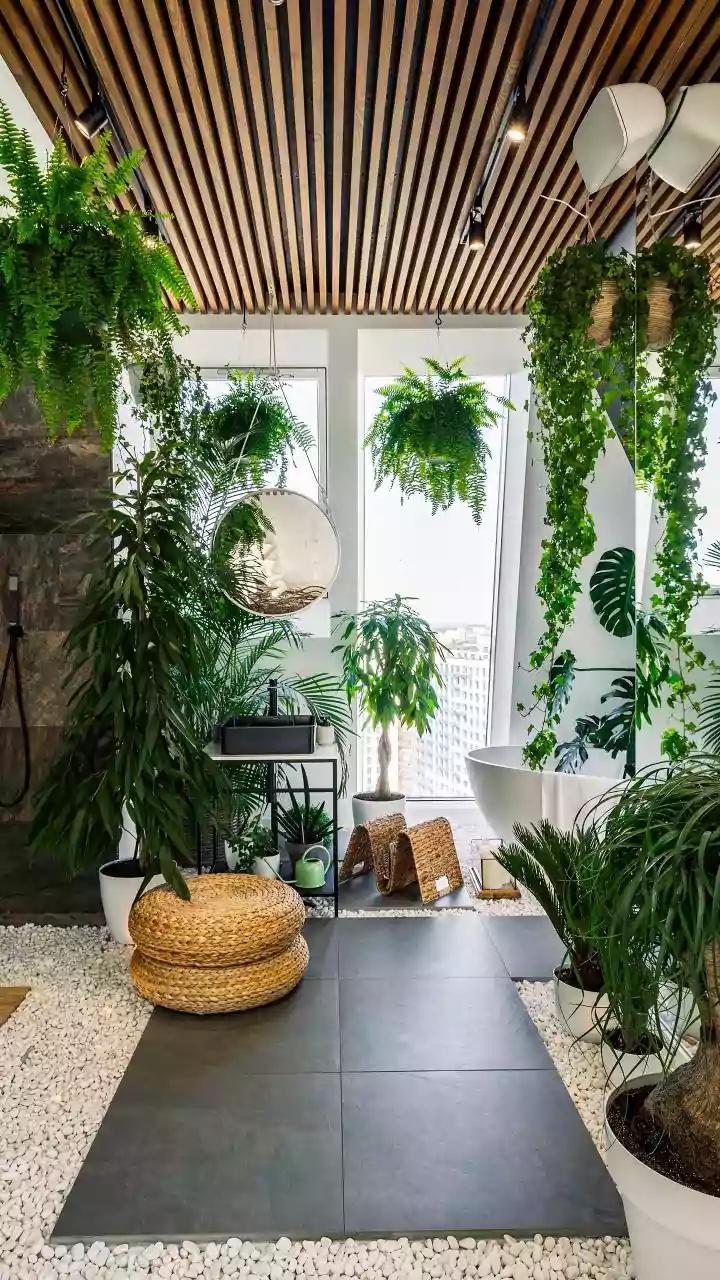
While not a magic bullet, certain houseplants can help improve indoor air quality. Plants like the Snake Plant, Spider Plant, and Peace Lily are known to absorb some common indoor toxins. They won't eliminate smog, but they can contribute to a healthier indoor environment and add a touch of nature to your space. Think of them as a natural, gentle supplement to your other air-cleaning efforts, not a replacement for sealing and filtration.