



What Exactly is Waterless Beauty?
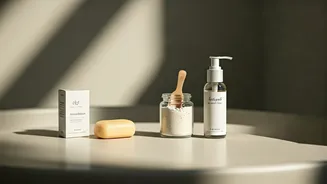
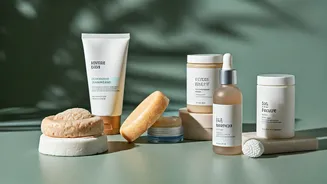
Waterless, or anhydrous, beauty refers to products formulated without water. [4] While traditional lotions, creams, and shampoos can contain up to 85% water, which acts as a cheap filler, waterless products swap it out for nourishing botanical oils, butters,
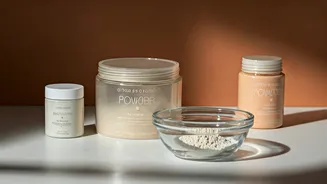
waxes, and potent plant extracts. [2, 8, 15] This results in highly concentrated formulas in forms like solid bars, powders, balms, and oils. [2, 11] The trend, which first gained traction in South Korea, is now becoming a global movement as consumers seek more effective and sustainable options. [4, 20, 24] It’s not just a fleeting fad; it’s a thoughtful response to the beauty industry's significant water footprint and a return to more potent formulations. [16, 17]
More Potent Products, Better Results
When you remove water, you’re left with a higher concentration of active ingredients. [2, 4] This means the vitamins, antioxidants, and nutrients in the product are not diluted, leading to greater efficacy and more noticeable results. [2, 7] Because these products are so concentrated, a little goes a long way, making them last much longer than their water-based counterparts and often more economical in the long run. [8, 22] Furthermore, since water breeds bacteria, water-based products require synthetic preservatives to extend their shelf life. [4, 15] Waterless formulas often need fewer or no preservatives, resulting in a cleaner product that can be gentler on sensitive skin. [4, 7, 11]
Smart and Compact for Modern Indian Life
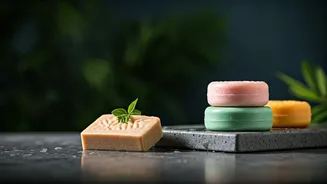
The compact nature of waterless beauty is a game-changer. Solid shampoo bars, conditioner bars, and moisturiser sticks are perfect for travel, eliminating the risk of spills and the hassle of airline liquid restrictions. [2, 9, 13] Their smaller size means less clutter in your bathroom and gym bag. This convenience aligns perfectly with a busy, modern lifestyle. For the Indian consumer, this also taps into a rich history; the use of oils, 'ubtans' (powders), and ghee for skincare are age-old waterless beauty practices rooted in Ayurveda. [15] Today's waterless products are a modern evolution of this mindful, effective approach to personal care. [15]
A Future-Ready Choice for a Water-Scarce World
The “future-ready” aspect of waterless beauty is its most compelling argument. With many regions in India facing significant water stress, conserving this precious resource is critical. [20, 21] The beauty industry is a massive consumer of water, not just in its products but throughout the manufacturing process. [16, 17] Choosing waterless products helps reduce this demand. [2] Beyond saving water, these products also have a smaller carbon footprint. [5] They are lighter and smaller, which means less energy is needed for transportation and they typically require less packaging, often using recyclable or compostable materials instead of plastic bottles. [8, 9, 14]
Making the Switch: What to Know
Switching to waterless beauty is easier than you think. Start with a single product, like a shampoo bar or a cleansing balm. [9] Popular waterless products include shampoo and conditioner bars, powder-to-foam cleansers, solid serums, and body balms. [3, 21] When using a solid bar, you simply activate it with the water in your shower. [9] While some people experience a brief adjustment period as their hair and skin adapt to products without harsh detergents, the long-term benefits of improved skin and hair health are often worth it. [14] As more Indian and international brands embrace this trend, the variety and accessibility of waterless options are only set to grow. [20, 24]