





What is the Solstice?
The summer solstice, known as 'Grishma Sankranti' in India, marks the moment Earth's Northern Hemisphere is tilted most directly towards the sun. This happens today, around June 21st each year. For us in India, it means we experience the longest period
of daylight and the shortest night of the year. Astronomically, it’s a precise moment in time, but culturally, it’s a celebration of light, warmth, and the peak of summer. While it’s a solar event, the clear, short nights of this season can be an excellent backdrop for stargazing, offering a brief but beautiful window into the cosmos before the monsoon clouds roll in for many parts of the country.
Decoding the 'Cosmic Sparkles'
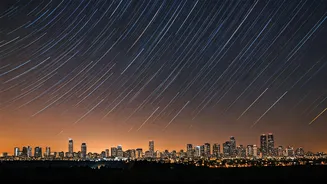
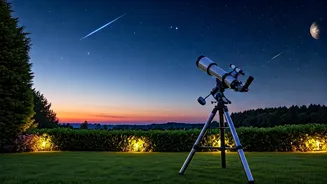
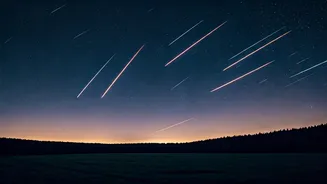
So, what are these 'cosmic sparkles'? The headline refers to meteors—often called 'shooting stars'. These are tiny bits of space dust and rock that burn up as they enter Earth's atmosphere at incredibly high speeds, creating a bright, fleeting streak of light. While there isn't a major, famous meteor shower peaking tonight, our planet is constantly moving through streams of cosmic debris. This means on any given clear night, you have a chance of seeing 'sporadic' meteors. The solstice night is no different. You might also catch the tail-end of the June Bootids meteor shower, which is known for being unpredictable. It can be dormant for years and then suddenly produce a burst of activity. So, while a full-blown meteor storm is unlikely, the potential for a few surprise fireballs is definitely there.
How and When to Watch
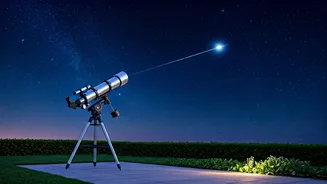
Patience and timing are your best friends for this celestial show. The best viewing time is typically after midnight and before dawn. This is when the part of Earth you are on is facing directly into the direction of Earth's orbit, sweeping up more space debris—like driving into a light rain instead of away from it. You don't need any special equipment like a telescope or binoculars, as meteors can appear anywhere in the sky. In fact, your unaided eyes are best because they offer the widest field of view. The key is to find a location with a broad, unobstructed view of the sky, far away from the light pollution of major cities like Delhi, Mumbai, or Bengaluru. The darker the location, the more you will see.
Tips for the Best Experience
To maximise your chances of seeing these sparkles, follow these simple steps. First, get comfortable. Bring a blanket, a reclining chair, or simply lie on your back. This prevents neck strain and allows you to take in as much of the sky as possible. Second, give your eyes at least 20-30 minutes to fully adapt to the darkness. This means putting your phone away—the bright screen will ruin your night vision. If you need a light, use a red torch, which is less disruptive. Third, be patient. Meteor watching is a waiting game. You might see a few in quick succession, or you might have to wait ten minutes for one. The joy is in the anticipation and the quiet moments spent under the stars.
More Than Just Meteors
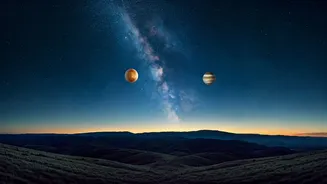
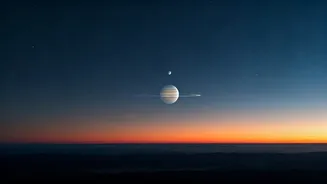
Even if the cosmic sparkles are shy, the solstice night sky has plenty more to offer. Look for bright planets that might be visible. Depending on the time, you could spot Jupiter or Saturn shining steadily, unlike the twinkling stars. If you are in a truly dark location, away from city haze, you might even be able to see the faint, milky band of our own galaxy, the Milky Way, stretching across the sky. Use a stargazing app on your phone (like Stellarium or SkyView) before you head out to identify which constellations and planets will be visible from your location. This way, your night of skygazing will be rewarding no matter what.