





The Details of the Price Hike
On August 21, 2026, Tata Motors announced it will raise prices across its entire passenger vehicle lineup, effective September 1, 2026. The increase will be up to a maximum of ₹25,000 and will apply to both internal combustion engine (ICE) models—like
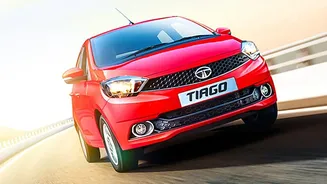
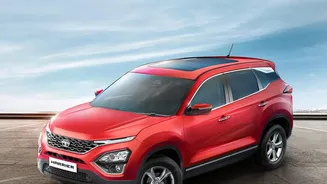
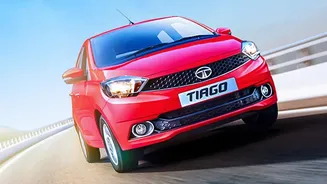
petrol, diesel, and CNG cars—and the company's popular range of electric vehicles (EVs). It's important to note that this is not a flat ₹25,000 increase on every car. The company has stated the hike will vary depending on the specific model and variant. This typically means that more affordable models like the Tiago may see a smaller price bump, while more expensive SUVs like the Harrier and Safari could see increases closer to the ₹25,000 ceiling.
Why Are Car Prices Going Up Again?
Tata Motors has cited rising input costs and sustained inflationary pressures as the reason for this latest price revision. This is a common theme across the Indian auto industry in 2026. Carmakers are dealing with higher prices for raw materials like steel and aluminium, as well as increased operational and logistical expenses. While the company stated it is absorbing a significant portion of these costs, it is passing a part of the impact on to customers. This isn't an isolated event; this is Tata's third price increase in 2026, following hikes in April and July. Other major players like Hyundai and Maruti Suzuki have also raised their prices this year for similar reasons.
The Big Question: Should You Buy Before September 1?
If you have already decided on a Tata model, finalised your variant, and are ready to make the purchase, buying before the end of August is the most straightforward way to save money. Booking and completing the invoicing before September 1 will lock in the current, lower price. This could save you anywhere from a few thousand rupees to the full ₹25,000, depending on the model you choose. However, this is only practical if the specific car and variant you want are readily available at the dealership. With the deadline looming, there might be a rush of buyers, potentially creating stock shortages for popular models and colours.
What Happens if You Decide to Wait?
Waiting past the September 1 deadline means you will pay the revised, higher price. However, waiting isn't always a bad strategy. The period following a price hike, especially leading into the festive season, often sees manufacturers and dealerships roll out new offers to stimulate demand. These could include cash discounts, exchange bonuses, or corporate benefits that might offset a portion of the price increase. Waiting also gives you more time to be certain about your choice without feeling rushed. You can conduct more test drives, compare financing options from different banks, and perhaps even wait for a 2027 model if you are not in a hurry.
Impact on Popular Tata Models
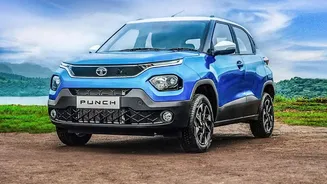
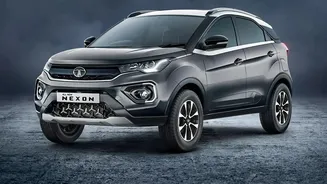
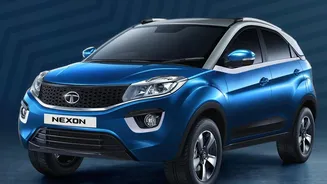
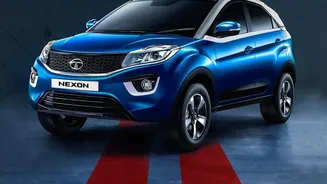
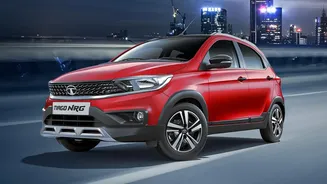
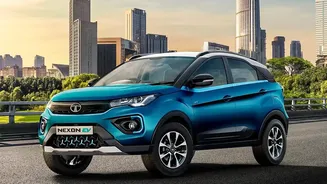
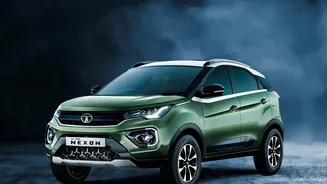
While Tata has not released a detailed list of price changes for each variant, we can anticipate the likely impact. For high-volume models like the Tata Punch and Nexon, even a smaller increase of ₹10,000 to ₹15,000 can be significant for budget-conscious buyers. For the entry-level Tiago and Tigor, the hike will probably be on the lower end of the scale. The premium Harrier and Safari SUVs are the most likely candidates to see increases at or near the ₹25,000 mark. The same logic applies to the EV lineup; the Tiago EV will likely see a more modest rise compared to the top-end variants of the Nexon EV. Prospective buyers should contact their local dealer closer to the effective date for precise, variant-wise pricing.