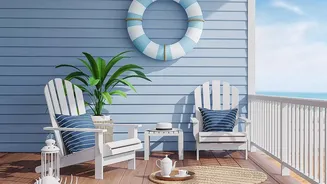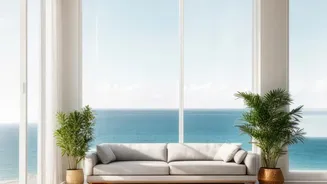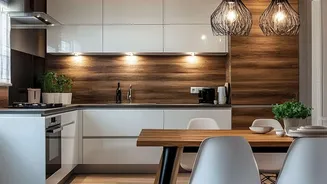








Craving that calm, breezy feeling of a seaside escape within your own home? The secret isn't in loud nautical themes, but in the subtle art of texture. This guide will help you plan and layer beach-inspired textures as accents for a tranquil retreat.
Build on a Neutral Foundation
The first step in planning any coastal-inspired space is to create a calm backdrop that mimics the natural light and airiness of the shore. Think of a palette drawn from a quiet beach: soft whites, creamy off-whites, and warm sandy beiges. These colours form the foundation of your design, making rooms feel larger and brighter. By keeping the walls and large furniture pieces in these neutral tones, you create a canvas that allows your textural accents to truly stand out. This approach ensures the overall feeling is serene and uncluttered, preventing the space from becoming a caricature of a beach house. It is about capturing a feeling, not just a look.
Layer with Soft, Natural Fabrics
Once your neutral base is set, begin layering with soft textiles that evoke comfort and relaxation. Lightweight and breathable fabrics are key to achieving a breezy, coastal feel. Think of sheer linen or cotton curtains that billow gently, suggesting a sea breeze. On sofas and beds, introduce texture through throw blankets and pillows. A chunky knit throw adds warmth and a tactile element, while cushions made of woven materials, cotton, or boucle can introduce subtle patterns and a lived-in feel. The goal is to layer these different materials to create depth and interest, making the space feel inviting and dynamic without adding visual weight.
Introduce Weathered and Natural Woods
Wood is an essential element for grounding a coastal design, adding warmth and an organic touch. Opt for woods with a story, such as those with weathered, reclaimed, or whitewashed finishes that call to mind sun-bleached driftwood. This can be incorporated through a coffee table, picture frames, or decorative shelving. The key is to choose pieces that feel relaxed and not overly polished. Rattan and wicker are also perfect additions, bringing a casual, artisanal quality to chairs, side tables, light fixtures, or storage baskets. These materials introduce complex woven textures that add instant character and reinforce the connection to nature.
Weave in Earthy, Grounding Fibres
To truly capture the essence of a sandy shore, incorporate natural fibres underfoot and in your decor. Rugs made from jute, sisal, or seagrass are staples of coastal design for a reason. They provide a raw, sandy texture that feels organic and is durable enough for everyday life. Beyond the floor, these fibres can appear in woven placemats, wall hangings, or decorative baskets. Rope is another excellent textural accent that offers a subtle nautical nod without being too literal; it can be found on lamps, mirror frames, or as handles on a decorative box. These grounding elements connect the space to the earth and sea, adding another layer of sensory detail.
Finish with Subtle Coastal Accents
The final touches are where you can bring in direct references to the beach, but the key is subtlety. Instead of overwhelming the room with shells and anchors, choose a few curated pieces. A simple bowl of smooth pebbles, a large piece of sculptural coral, or a few elegant sea glass bottles can be highly effective. These small details add authenticity and a point of interest. Mirrors and glass can also play a role, reflecting light and adding a sense of openness, much like the vastness of the sea itself. The aim is to accessorise purposefully, ensuring each item contributes to the overall feeling of calm rather than creating clutter.