


The Appeal of Chemical-Free Gardening
For anyone tending to plants on a balcony, patio, or windowsill, the desire to avoid synthetic pesticides is strong. These spaces are extensions of our homes, and the thought of chemical residues lingering near our living areas, pets, or children is unsettling.
Chemical-free solutions mean you can harvest herbs for your kitchen or brush past your flowers without a second thought. Natural options like neem oil and soapy water are not only safer for your household, but they are also biodegradable and gentler on the broader urban ecosystem, which includes beneficial insects like bees and ladybugs. Choosing these methods is about creating a healthy, harmonious environment for both your plants and your family.
Neem Oil: Nature’s Premier Pest Defender
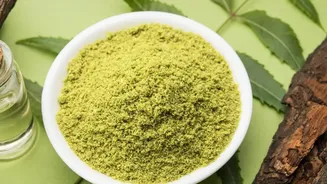
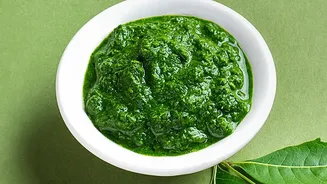
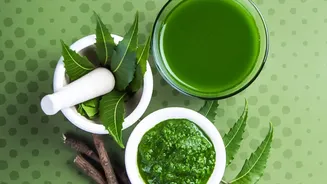
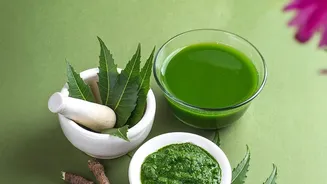
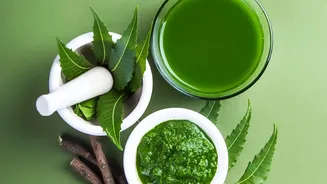
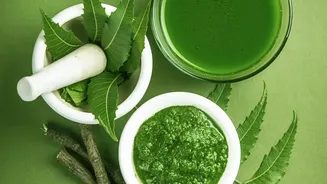
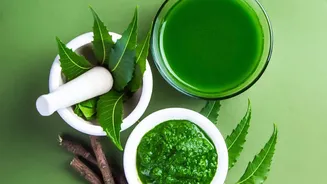
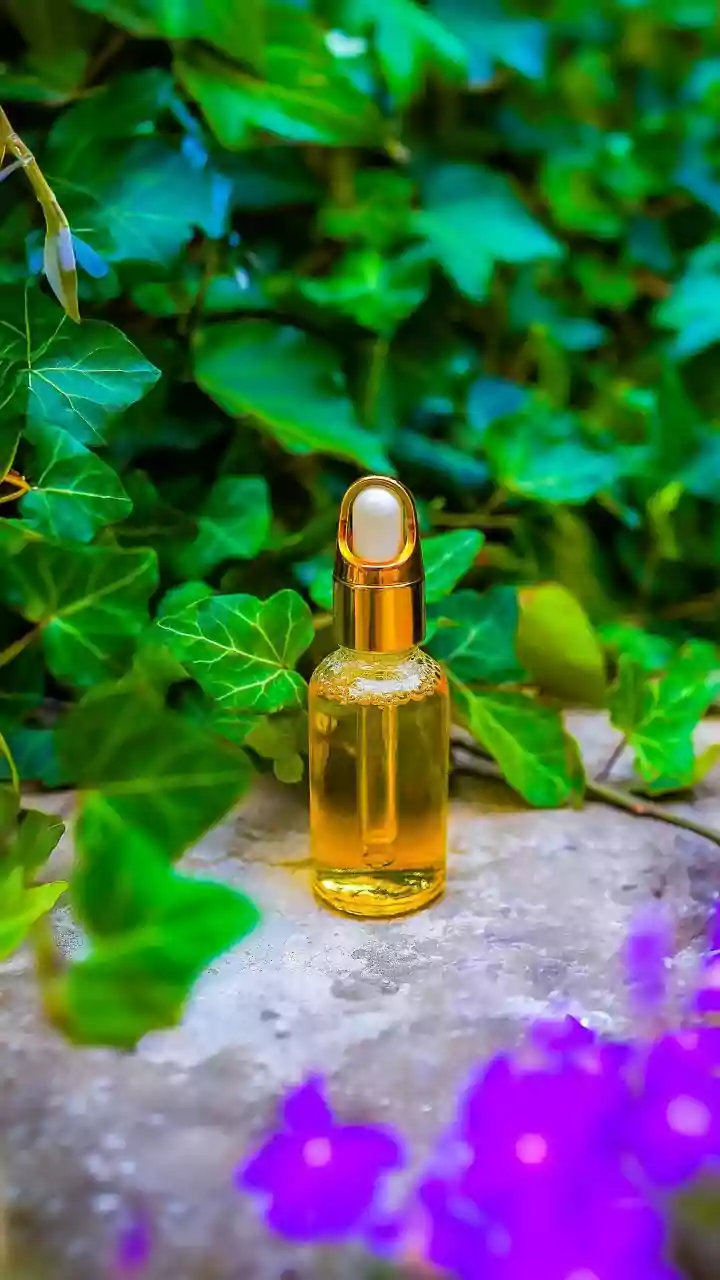
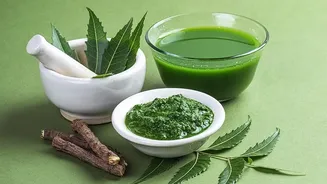
Neem oil is a vegetable oil pressed from the seeds of the neem tree (Azadirachta indica). Its power lies in a compound called azadirachtin, which works in multiple ways to disrupt pests. Firstly, it acts as an anti-feedant, making treated leaves unpalatable to chewing and sucking insects. Secondly, it functions as a hormone disruptor, interfering with the growth and reproductive cycles of pests, preventing larvae from maturing and stopping adults from laying eggs. It can also suffocate smaller, soft-bodied insects on contact. This multi-pronged attack makes it effective against a wide range of common balcony pests, including aphids, spider mites, mealybugs, whiteflies, and thrips.
How to Mix and Use Neem Oil
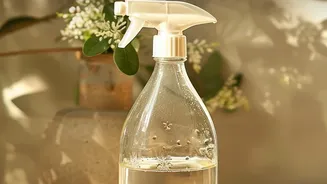
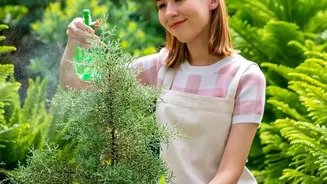
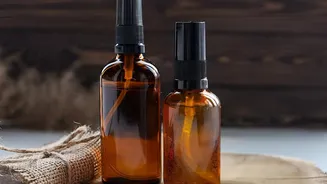
Using neem oil effectively requires proper mixing, as oil and water don't naturally combine. To create a basic spray, you'll need pure, cold-pressed neem oil and a mild liquid soap to act as an emulsifier. A standard recipe is to mix one teaspoon of neem oil and half a teaspoon of mild liquid soap (like castile soap) into one litre of warm water. Shake the solution vigorously in a spray bottle before and during application to keep it mixed. Spray all surfaces of the plant, especially the undersides of leaves where pests like to hide. The best time to apply is in the early morning or evening, as direct midday sun on treated leaves can cause them to burn. It’s also wise to test the spray on a small part of a plant 24 hours before a full application to ensure your delicate plants don't have a negative reaction.
Soapy Water: A Simple, Potent Solution
A simple soap and water solution is another surprisingly effective tool against pests. The science is straightforward: the fatty acids in soap dissolve the waxy outer layer of soft-bodied insects. This protective coating, or cuticle, keeps the insect from losing water. Without it, they quickly dehydrate and die. Soapy water is a contact insecticide, meaning it must directly coat the pest to work and has no residual effect once it dries. It is most effective against small, soft-bodied pests like aphids, mealybugs, spider mites, and whiteflies. Larger, hard-shelled insects like beetles are generally unaffected, making it a relatively targeted solution that often spares beneficial insects.
Crafting the Perfect Soap Spray
Making an insecticidal soap spray is easy, but the type of soap matters. Avoid using harsh detergents, especially those for automatic dishwashers or laundry, as they can damage plants. A simple liquid dish soap or a pure soap like castile is a much safer choice. A common dilution is one tablespoon of soap per litre of water. As with neem oil, spray the solution thoroughly over the plant, ensuring you cover all surfaces where pests are present. Since some plants can be sensitive to soap, it's a good practice to test the spray on a single leaf first. Some plants known to be sensitive include plums, cherries, and certain tomato varieties. To be extra safe, you can rinse the soap residue off your plants with plain water a few hours after application.