








The Details of the Price Reduction
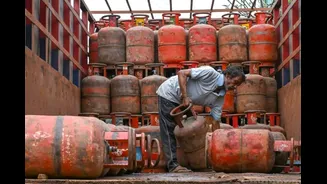
Effective July 1, 2026, the price of a 19-kg commercial LPG cylinder has been reduced significantly across the country. In Delhi, the price was slashed by ₹183.50, bringing the new cost to ₹2,930 per cylinder. Similar reductions were seen in other major
cities, with prices dropping by ₹182 in Mumbai, ₹174 in Kolkata, and ₹177 in Chennai and Bangalore. This is the first time in 2026 that the rates for these commercial-use cylinders have been lowered, providing a much-needed respite after a series of sharp hikes earlier in the year. The reduction is largely attributed to the easing of global crude oil prices following a ceasefire extension in West Asia, which has calmed international energy markets.
Breathing Room for Restaurants and Eateries
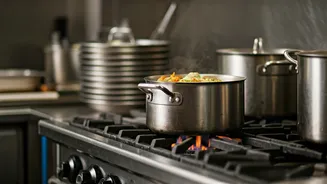
For the food and hospitality sector, this price cut is more than just a number; it's a critical lifeline. Cooking fuel is a major operating expense, often accounting for 10-15% of a restaurant's food costs. The relentless price hikes earlier in the year, which saw cylinder prices cross the ₹3,000 mark, had pushed many businesses to the brink. Restaurant owners, from small dhabas and tea stalls to large chains, were grappling with shrinking profit margins. Many were forced to absorb the rising costs to avoid alienating price-sensitive customers, while others had already started increasing menu prices by 10-20% just to stay afloat. This reduction in input costs eases the immediate financial pressure, giving operators some much-needed breathing room to manage their expenses without immediately passing the burden onto consumers.
Will Your Next Meal Be Cheaper?
While the news is positive for business owners, diners shouldn't expect an immediate drop in menu prices. After months of absorbing record-high fuel costs, many restaurateurs see this price cut as an opportunity to recover losses and stabilize their finances rather than to offer discounts. Representatives from hotel and restaurant associations have indicated that while the move is welcome, it only partially offsets the steep increases from previous months. One restaurateur noted that after prices rose by nearly ₹1,300 over the year, a reduction of around ₹180 is helpful but not transformative. The industry is taking a 'wait-and-watch' approach, hoping for further reductions that would bring prices closer to pre-conflict levels before considering menu price revisions. For consumers, the most immediate benefit will likely be a pause on further price hikes.
A Volatile Year for Energy Costs
This month's price cut comes after a turbulent first half of the year for commercial energy users. Prices for the 19-kg cylinder saw sharp increases in January (by ₹111) and April (by ₹195.50), largely driven by geopolitical tensions in West Asia that disrupted global energy supplies. At their peak, these hikes forced businesses to make difficult choices, with some exploring alternatives like electric induction cooktops or piped natural gas (PNG) to reduce their dependency on volatile cylinder prices. While the July reduction provides relief, the memory of this volatility is still fresh. Business owners remain cautious, aware that global events could once again send prices soaring. This single price cut is a positive step, but the industry is hoping for a period of sustained stability to plan for the future with more certainty.