





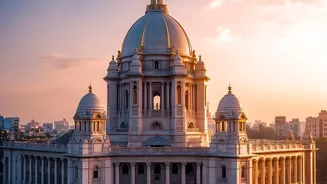
Why is Kolkata often called the 'London of India'? The nickname speaks to a rich, complex history, echoing a time when the city was the jewel of British India. Let's explore the architectural and cultural threads that connect these two iconic cities.
An Imperial Capital's Legacy
The comparison between Kolkata and London is deeply rooted in the city's colonial past. For nearly 140 years, from 1772 to 1911, Kolkata, then known as Calcutta, served as the capital of British India. During this period, it grew into the second most important city in the British Empire after London itself, becoming a vital hub for administration, commerce, and politics. The British consciously developed the city's infrastructure to mirror European standards, erecting grand public buildings, wide roads, and stately monuments designed to project imperial power and prestige. This deliberate urban planning created a landscape filled with architectural styles reminiscent of London, laying the foundation for the enduring nickname.
Architectural Echoes of London
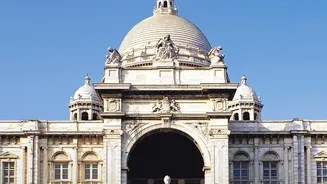
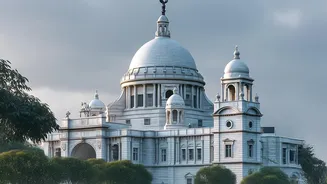
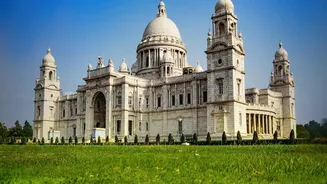
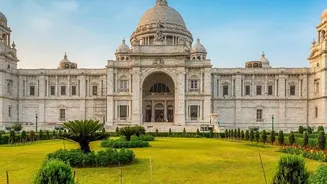
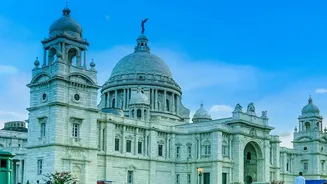
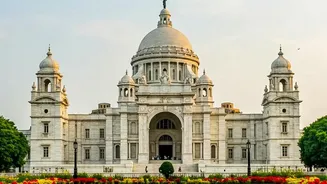
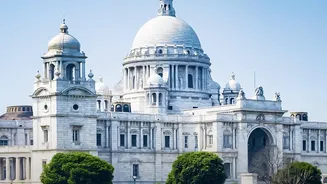
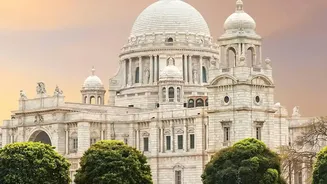
A walk through central Kolkata is a journey through a living museum of colonial architecture. Landmarks like the Victoria Memorial, a magnificent white marble monument to Queen Victoria, showcase an Indo-Saracenic style that blends British and Mughal elements with echoes of European classicism. Similarly, St. Paul's Cathedral was built in an Indo-Gothic style to serve the growing European community. The Writers' Building and the Calcutta High Court are other prime examples of Gothic and Neoclassical designs that would not look out of place in London. These structures, designed by British architects, were meant to be grand and imposing, cementing the city's status as a seat of power and creating a distinct visual identity that fueled the London comparison.
A Tale of Two Riversides
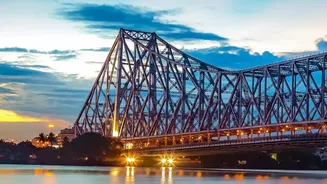
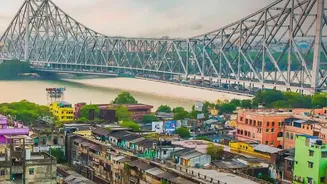
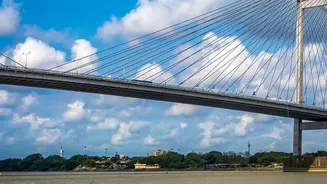
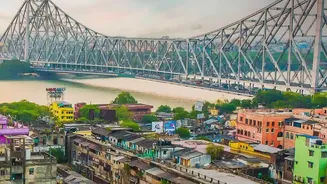
Much like London is defined by the River Thames, Kolkata's identity is inextricably linked to the Hooghly River. The Hooghly riverfront served as the city's lifeline during the colonial era, a bustling artery for trade and transport that connected the subcontinent to the rest of the world. Today, the riverfront is one of Kolkata's most cherished recreational spaces. A beautified stretch from Prinsep Ghat to Babughat offers landscaped gardens and illuminated pathways for evening strolls. Prinsep Ghat itself, with its striking Palladian porch built in 1843 in memory of scholar James Prinsep, is a beloved landmark. This area, framed by the iconic Howrah Bridge and the modern Vidyasagar Setu, offers panoramic views that blend history with contemporary life, much like the banks of the Thames.
The Rise of a Modern Skyline
While its colonial core gives Kolkata its historical character, the city's skyline is rapidly transforming. In recent decades, a construction boom has seen the rise of numerous high-rises, particularly in areas like New Town, Rajarhat, and along the EM Bypass. Residential towers like 'The 42', which at 260 metres became the tallest building in the city upon its completion, have dramatically reshaped the cityscape. These modern skyscrapers, featuring luxury apartments, skywalks, and cutting edge amenities, represent a new chapter in Kolkata's urban story. This evolving skyline does not erase the 'London of India' legacy but rather adds another layer to it, creating a dynamic contrast between the ornate architecture of the past and the sleek, glassy towers of the 21st century.
A Shared Spirit Beyond Buildings
The connection extends beyond architecture and rivers. Both Kolkata and London have long been celebrated as centres of intellectual and cultural life. Kolkata is often called the 'Cultural Capital of India', home to a rich heritage in literature, arts, and theatre that flourished during the Bengal Renaissance and continues to thrive today. This reputation for intellectualism and a cosmopolitan, secular society creates another parallel with London's global cultural scene. Furthermore, Kolkata is the only city in India that still operates a tram network, a mode of transport that adds to its old world European charm and serves as a nostalgic reminder of a shared urban history.