





Why Heavy Fabrics Shrink Your Space
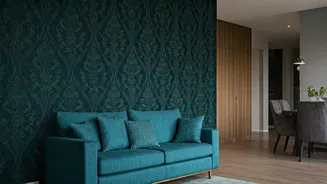
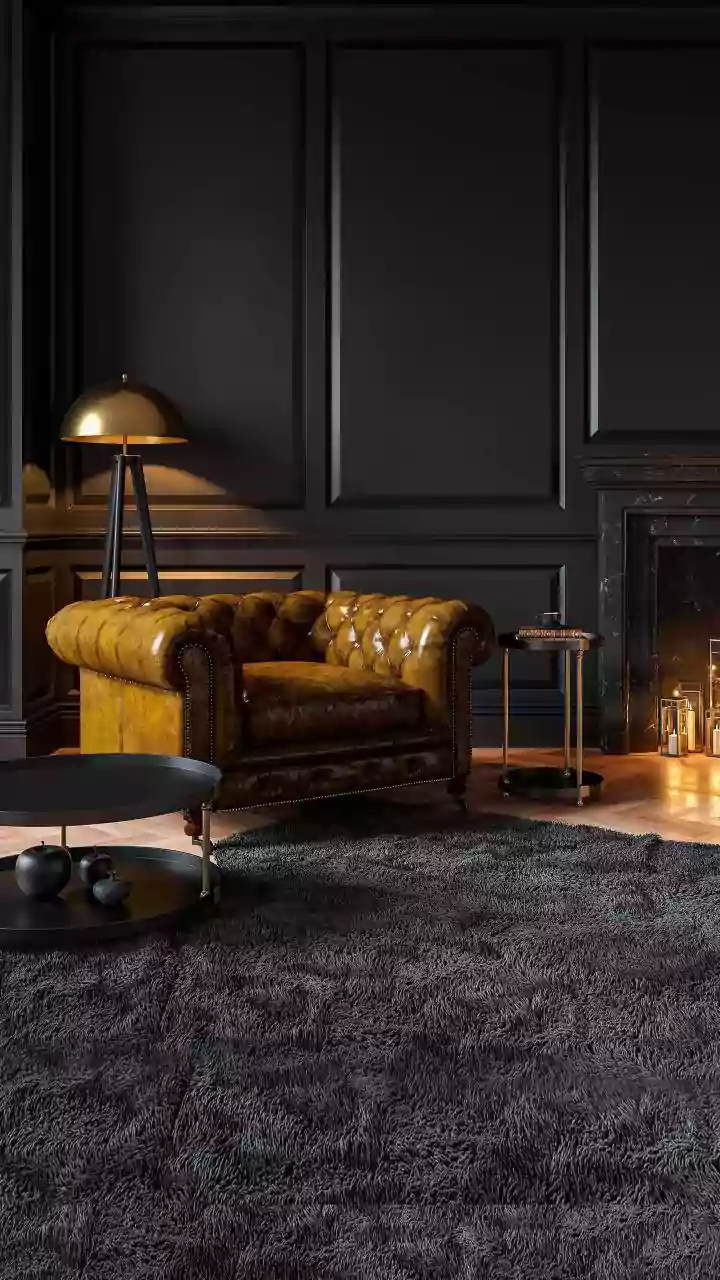
Thick, heavy fabrics like velvet or dense, dark-coloured brocades can visually and literally weigh a room down. They absorb light rather than reflecting it, which can make corners appear darker and ceilings feel lower. In the context of a small Indian
apartment, where maximizing every square foot is crucial, these textiles can feel overwhelming. They often serve as a visual full stop, preventing the eye from moving freely around the room and tricking the brain into perceiving the space as smaller than it is. Beyond aesthetics, heavy materials also trap heat and can feel stuffy in India's predominantly warm and humid climate, making a space less comfortable.
Let There Be Light: The Magic of Sheers
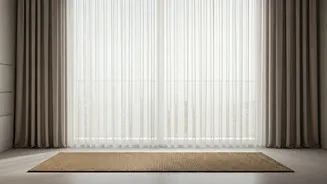
The simplest and most effective swap is replacing heavy curtains with sheer or semi-sheer options. Lightweight fabrics like sheer linen, cotton voile, or modern polyester sheers allow natural light to filter through, instantly brightening a room and creating an airy, open atmosphere. This diffused light softens harsh shadows and makes walls seem to recede. For maximum impact, hang curtains from the ceiling down to the floor. This draws the eye upward, creating an illusion of height that makes even small rooms with standard ceilings feel taller and more gracious. While providing daytime privacy, sheers connect the indoor space with the outside, further enhancing the feeling of openness.
Breathe Easy with Cotton and Linen
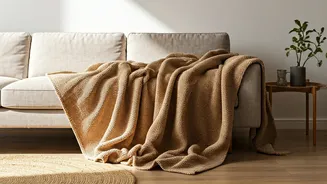
The move towards lighter fabrics aligns perfectly with a climate-conscious approach to decor. Natural, breathable fabrics are essential for comfort in hot weather. Cotton and linen are champions in this regard. They are known for their ability to allow air to circulate, preventing the stuffy feeling associated with synthetic or heavy materials. For upholstery, cushion covers, and throws, choosing hand-loomed cottons or crisp linens can make furniture feel less bulky. These materials also bring a sense of relaxed elegance, fitting well with modern and minimalist Indian interiors that prioritize comfort and functionality. They are also easier to maintain, as many can be washed at home and don't hold dust like heavy velvets.
Rethinking Rugs and Upholstery
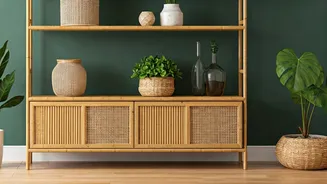
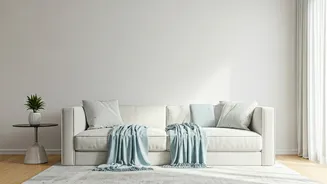
The principle extends beyond just window treatments. A heavy, dark, high-pile rug can visually shrink a floor area. Consider swapping it for a lighter-coloured flatweave dhurrie or a jute rug. These options provide texture and define a space without the visual weight. When it comes to sofas and chairs, if you aren't ready to reupholster, use light-coloured throws and cushions made of breathable fabrics like cotton or linen to break up large, dark surfaces. For new furniture, choosing pieces with visible legs—often called 'leggy' furniture—and lighter-hued upholstery creates a sense of openness by allowing you to see the floor underneath, making the room feel less crowded.
Embracing Pattern Without the Weight
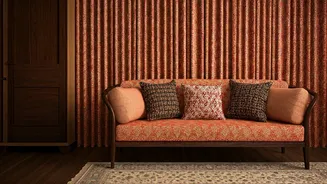
Choosing lighter fabrics doesn't mean your decor has to be plain. India’s rich textile tradition offers countless ways to incorporate pattern and personality. Techniques like block printing, Chikankari embroidery, and Ikat dyeing are often applied to lightweight cottons and silks. These can be used for cushion covers, light throws, or even a single statement curtain panel layered with sheers. The key is to use pattern strategically as an accent. A few beautifully patterned cushions on a neutral sofa add character without overwhelming the space. This approach allows you to celebrate traditional craftsmanship in a way that feels modern, fresh, and perfectly suited to a compact home.