








Your Body’s Built-In Cooling System
Your body is brilliant at managing its own temperature, a process called thermoregulation. When you exercise, your muscles generate a tremendous amount of heat. To prevent overheating, your brain's thermostat, the hypothalamus, triggers your sweat glands.
But here’s the key: sweat itself doesn't cool you down. The magic happens during evaporation. As sweat turns from a liquid to a vapor on your skin, it pulls heat away from your body, effectively lowering your surface temperature. This process, known as evaporative cooling, is your primary defense against a rising core temperature during a workout. On a dry day, this system works beautifully, allowing heat to escape efficiently.
Why Humidity Is the Enemy of Cooling
The problem with a dense, humid indoor gym is that the air is already saturated with water vapor. Think of the air as a sponge that's already soaked; it simply can't absorb much more moisture. Because of this high humidity, the sweat on your skin has nowhere to go. Evaporation slows down dramatically or stops altogether. Instead of turning into vapor and carrying heat away, your sweat just pools on your skin or drips off uselessly. This is the “evaporation failure” from the headline. Your body, sensing that it’s still hot, may even try to produce more sweat, making you feel drenched and sticky without providing any real cooling effect. The result is that your internal furnace keeps running while your air conditioner is effectively shut down.
The Real Risks of Overheating
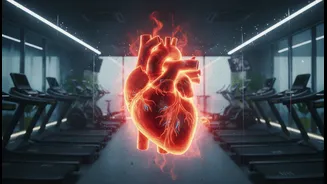
When your body can't shed heat effectively, your core temperature starts to climb, a condition known as hyperthermia. A normal core temperature is around 98.6°F (37°C). During exercise, it can safely rise a bit, but when evaporative cooling fails, it can escalate into dangerous territory—from 101°F to 104°F (38.3°C to 40°C) or higher. This leads first to heat exhaustion, with symptoms like heavy sweating, nausea, dizziness, muscle cramps, and headache. Your skin might feel cool and clammy despite the internal heat. If not addressed, heat exhaustion can progress to heatstroke, a life-threatening emergency. Key signs of heatstroke include confusion, slurred speech, loss of consciousness, and a very high body temperature. At this stage, the body's temperature regulation system has completely failed.
How to Train Safely in Humid Conditions
The word “safely” in the headline is a call to action. You can mitigate the risks by training smarter. First, prioritize hydration. Drink plenty of water before, during, and after your workout to ensure your body has enough fluid to sweat, even if evaporation is inefficient. Second, choose your clothing wisely. Wear lightweight, loose-fitting, and moisture-wicking fabrics that pull sweat away from the skin to give it a better chance to evaporate. Avoid cotton, which just traps moisture. Third, adjust your intensity. On particularly humid days, you may need to reduce the length or difficulty of your workout. Take frequent breaks in a cooler, less humid area if possible. Finally, listen to your body. Signs like dizziness, nausea, or a pounding headache are your cue to stop immediately, find a cool place, and rehydrate. Recognizing these early warning signs is the most important safety measure of all.