




The Power of Homemade Compost
Store-bought potting mixes often contain synthetic fertilizers and lack the living microbial communities that healthy plants need. Compost, on the other hand, is a powerhouse of organic matter. It introduces beneficial microbes that help cycle nutrients,
suppress diseases, and improve the soil's structure. This nutrient-rich amendment enhances water retention, meaning you might water less often, and provides a slow, steady release of essential nutrients like nitrogen, potassium, and phosphorus. By turning scraps into compost, you’re creating a natural fertilizer that helps plants develop stronger roots and more vibrant foliage.
What to Compost: The 'Green' List
A healthy compost pile starts with the right ingredients. For your indoor plants, focus on 'green' materials, which are rich in nitrogen. Your kitchen is full of them. Fruit and vegetable scraps are perfect additions. Think apple cores, banana peels (a great source of potassium), carrot tops, and cucumber peels. Used tea leaves and coffee grounds are also excellent nitrogen sources. If you use tea bags, make sure they are made of natural, compostable paper and remove any staples. Crushed eggshells can be added to provide calcium.
What to Avoid for a Healthy Bin
Just as important is knowing what to leave out. Certain items can create foul odors, attract pests, or harm your plants. Avoid adding any meat, fish, bones, or dairy products. Oils, fats, and greasy foods are also a no-go as they can disrupt the decomposition process and attract unwanted visitors. While small amounts of citrus peels are generally fine, large quantities can make your compost too acidic. Also, keep pet waste and any plants treated with chemical pesticides out of your bin to ensure your final product is safe and healthy for your houseplants.
A Simple Indoor Composting Method
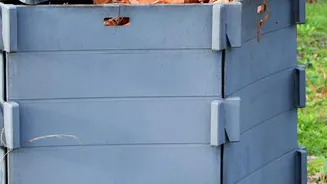
You don't need a large backyard to start composting. A simple indoor system can be made with a lidded plastic bucket or bin. Many people prefer vermicomposting, or worm composting, for indoor setups as it's efficient and low-odor, producing highly nutrient-rich 'worm castings'. For a basic aerobic bin, drill several air holes in the lid and sides for ventilation. To start, add a base layer of 'browns'—carbon-rich materials like shredded newspaper or cardboard—to absorb moisture. Then, simply start adding your kitchen scraps. Keep a small, lidded container on your kitchen counter to collect daily peels and tea leaves, and empty it into your main bin every couple of days.
Managing Your Indoor Compost
A successful compost bin requires a balance of 'greens' (your kitchen scraps) and 'browns' (shredded paper, cardboard, or dry leaves). A good rule of thumb is to add a layer of browns on top every time you add a batch of wet kitchen scraps. This helps control odors and maintain a good carbon-to-nitrogen ratio. The contents should be kept moist, but not soaking wet. If it looks too dry, spritz it with a little water. If it’s too wet or starts to smell, add more brown materials. Every week or so, give the mixture a good stir with a small shovel or stick to aerate it, which speeds up decomposition.
Harvesting and Using Your 'Black Gold'
The composting process can take anywhere from a few months to a year, depending on your system and materials. You'll know your compost is ready when it looks dark, rich, and crumbly, and has a pleasant, earthy smell. For houseplants, it's best to use well-cured compost to avoid any issues in the confined space of a pot. There are a few ways to apply it. You can mix it into your potting soil when repotting a plant, using about one part compost to four parts soil. You can also use it as a top-dressing by sprinkling a thin layer (about an inch) over the soil surface of your existing potted plants and gently working it in. Water as usual, and the nutrients will gradually make their way down to the roots.