



The New Face of Nostalgia
Across India's bustling cities, a quiet but powerful culinary movement is reshaping menus and winning over diners. Restaurants are striking gold by taking the most familiar, emotionally resonant dishes—the food of home, of childhood, of quiet family meals—and
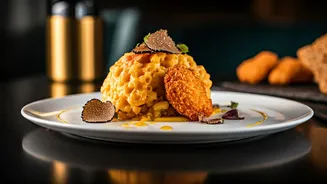
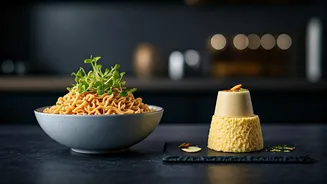
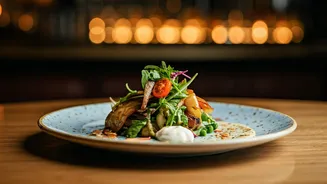
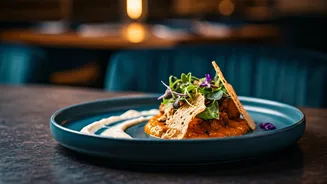
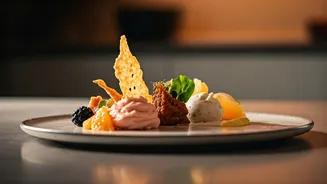
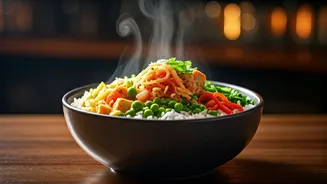
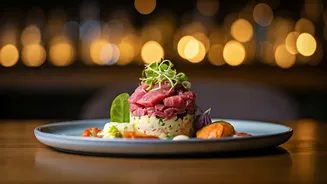
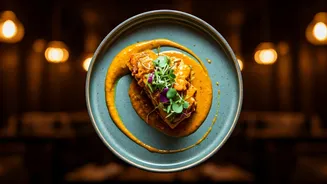
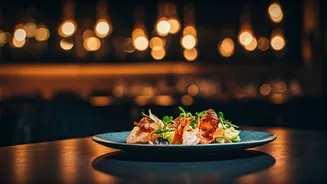
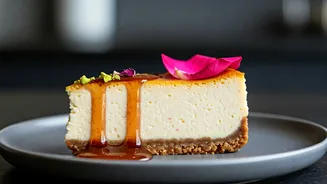
giving them a sophisticated makeover. This trend, known as 'elevated comfort food', involves blending high-quality ingredients and modern culinary techniques with traditional recipes. Think pani puri with refined, artisanal waters, butter chicken given a smokeless twist, or forgotten regional grains appearing in fine-dining formats. The result is a dining experience that feels both innovative and deeply reassuring, a 'Goldilocks of dining' that's neither stiffly formal nor predictably casual, but hits a sweet spot of excellence and accessibility. Chefs are acting as storytellers, reviving forgotten recipes and using global plating aesthetics to present a humble curry as a work of art.
The Psychology of Craving Comfort
The appeal of comfort food is rooted in psychology. These are dishes that provide a sense of grounding, stability, and emotional security. In a fast-paced world, a meal that evokes memories of home or simpler times creates a powerful emotional connection that goes beyond mere taste. This craving for the familiar has only intensified, with diners increasingly seeking food that connects them to culture and tradition. Restaurants are tapping into this by building a brand around authenticity and nostalgia, fostering a unique form of customer loyalty. When a dish tastes like a cherished memory, it transforms a simple meal into a meaningful experience, making customers far more likely to return. This emotional bond is the secret ingredient, turning a plate of food into a feeling of being cared for.
The Billion-Dollar Business Case
The term 'goldmine' is no exaggeration. The Indian gourmet food market, valued at USD 5.4 billion in 2025, is projected to surge to USD 24.5 billion by 2034. Elevated comfort food is a key driver of this explosive growth. From a business perspective, the strategy is brilliant. It leverages readily available, often local ingredients and familiar flavour profiles, which minimises risk. Diners are often willing to pay a premium for a dish they already know and love, especially when it's presented with creative flair and top-tier ingredients. This approach allows for higher profit margins on popular items. Furthermore, these visually appealing, 'Instagram-worthy' dishes become powerful marketing tools, generating buzz on social media where a majority of consumers now discover new restaurants. This trend caters perfectly to a modern Indian diner who is well-informed, willing to spend on premium experiences, and craves authenticity.
Chefs as Culinary Innovators
This movement is led by a generation of visionary Indian chefs who are skillfully balancing tradition with innovation. Chefs like Manish Mehrotra, Vineet Bhatia, and Saransh Goila have been instrumental in redefining Indian cuisine by combining regional flavours with global techniques and ingredients. They deconstruct and reinvent classic dishes, proving that Indian food can be both authentic and avant-garde. This reinterpretation isn't about erasing tradition but celebrating it. By using modern methods like sous-vide or molecular gastronomy alongside age-old practices, they preserve the soul of a dish while giving the experience a fresh, exciting feel. From elevating street food like golgappa to gourmet status to reimagining regional specialties, these chefs are ensuring India's rich culinary tapestry remains relevant and celebrated on a global stage.
The Future of Flavour
While the trend is booming, its longevity will depend on maintaining a delicate balance. The risk lies in over-complication or pricing that alienates the very diners who cherish these dishes' humble origins. The most successful concepts are those where the elevation feels purposeful rather than performative, enhancing the dish's inherent qualities without losing its soul. Looking ahead, the focus is shifting toward hyperlocal ingredients, zero-waste practices, and menus that tell a story. The Indian diner of 2026 and beyond seeks authenticity and a sense of place. They are increasingly health-conscious and drawn to menus that are lighter and more seasonal. The trend of elevated comfort food is poised to evolve, continuing to honour India's culinary heritage while adapting to the tastes of a confident, curious, and globally-aware new generation of food lovers.