





The End of 'Checklist' Tourism
For generations, travel in India was often defined by a grand tour of its most famous monuments. A trip to Agra meant seeing the Taj Mahal; a visit to Delhi was incomplete without a stop at India Gate and Qutub Minar. While these historical treasures
remain beloved, a new kind of traveller is emerging—one who is less interested in just seeing the sights and more focused on experiencing the destination. This marks a significant move away from ‘checklist tourism’. Today’s travellers, particularly younger millennials and Gen Z, are showing signs of monument fatigue. They are increasingly sidestepping the long queues and crowded viewing platforms in search of something more unique and personal. The goal is no longer to simply prove you were there, but to truly connect with the place on a meaningful level. This shift suggests a maturation in the Indian travel mindset, where the quality of the experience outweighs the quantity of landmarks visited.
A Growing Hunger for Authenticity
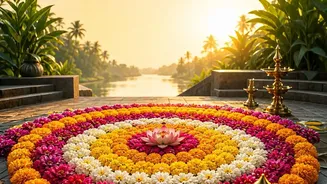
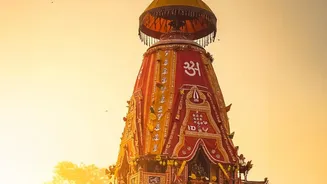
At the heart of this trend is a powerful desire for authenticity. Modern travellers are looking to immerse themselves in the local culture, not just observe it from a distance. This has fueled the rise of experiential travel, a segment of the tourism industry projected to grow significantly in the coming years. Instead of staying in generic hotels, travellers are opting for farm stays in Uttarakhand, homestays in Kumaon, or living with artisan communities in Rajasthan. They are signing up for cooking classes to learn regional recipes, participating in local craft workshops, and planning their trips around vibrant cultural festivals like Durga Puja in Kolkata or the Ziro Festival of Music in Arunachal Pradesh. These activities offer a genuine connection to the people and traditions that define a place, creating memories that are deeply personal and impossible to replicate.
The Influence of the Digital World
Social media has played a pivotal role in democratising travel and reshaping aspirations. Platforms like Instagram and YouTube have become the new guidebooks, with travel influencers uncovering hidden gems and showcasing the beauty of offbeat India. While the iconic shot in front of the Taj Mahal still has its allure, the social currency of a unique, undiscovered location is on the rise. A scroll through a travel feed today is just as likely to reveal the serene backwaters of Kerala, the stark landscapes of Spiti Valley, or the living root bridges of Meghalaya as it is to feature a famous monument. This digital exposure inspires travellers to venture beyond the conventional tourist trail. It has created a new travel bucket list, one filled with experiences like trekking to remote Himalayan villages, spotting wildlife in national parks, or staying in a centuries-old haveli.
The Rise of Conscious and Slow Travel
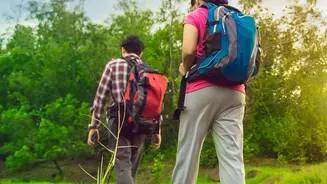
This evolving travel philosophy is also tied to a growing consciousness about the impact of tourism. Many travellers are now making more responsible and sustainable choices, seeking out experiences that benefit local communities and protect the environment. This has led to a surge in community-led tourism, where visitors can engage directly with local artisans and ensure their money supports the local economy. Models like craft-based tours or staying in eco-friendly resorts resonate with this mindset. Furthermore, the concept of 'slow travel' is gaining traction. Instead of rushing through multiple cities in a week, people are choosing to spend more time in a single destination. This allows for a more relaxed pace and deeper cultural immersion, whether it's exploring the café culture of a small town or simply soaking in the natural beauty of a place without a packed itinerary.