







Understanding Humidity Stress on Plants
For many Indian cities, especially during monsoon or in coastal areas, high humidity is a daily reality. While some tropical plants enjoy it, the combination of heat and stagnant, moisture-laden air can create significant stress for balcony foliage. This
condition, often worse in the enclosed space of a balcony, reduces a plant's ability to transpire effectively. Transpiration is how plants breathe and cool themselves, pulling water from the roots to the leaves. When the surrounding air is already saturated with moisture, this process slows down, leading to heat stress, weakened stems, and an increased risk of fungal diseases like powdery mildew, which thrive in damp conditions.
What Exactly Is Liquid Seaweed?
Liquid seaweed concentrate is not a typical fertiliser. While it does contain some nutrients, its primary role is as a 'biostimulant.' It's an organic extract derived from various species of seaweed, packed with over 60 trace minerals, vitamins, amino acids, and, most importantly, natural plant growth hormones like cytokinins, auxins, and gibberellins. These compounds work together to boost a plant's overall health and vigour from the inside out. Think of it less like a heavy meal (fertiliser) and more like a potent multivitamin that enhances the plant's own natural defence mechanisms and growth processes.
The Science of Building Resilience
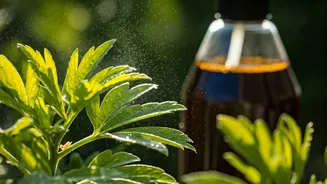
So, how does this brown liquid protect your plants from humidity? The magic lies in strengthening the plant at a cellular level. The growth hormones in seaweed extract promote stronger root development, allowing the plant to absorb water and nutrients more efficiently. This robust root system provides a better foundation for the plant to withstand stress. Furthermore, the trace elements and amino acids help fortify the plant's cell walls, making leaves and stems tougher and less susceptible to wilting or damage. The cytokinins, in particular, encourage cell division and delay the ageing process in leaves, helping them stay green and functional for longer, even under stressful conditions. Essentially, you’re not creating a shield against humidity; you're equipping your plant with the internal tools it needs to cope with it.
A Simple Application Guide
Using liquid seaweed is incredibly simple, making it perfect for balcony gardeners. The most effective method for tackling humidity-related stress is foliar feeding—spraying the diluted mixture directly onto the leaves. 1. **Dilution:** Most concentrates are highly potent. A general rule of thumb is to mix 2-5 ml of liquid seaweed concentrate in 1 litre of water. Always check the product label for specific instructions, as concentrations can vary by brand. 2. **Timing:** The best time to spray is in the early morning or late evening. Avoid spraying in the direct, hot afternoon sun, as this can cause the leaves to burn and the liquid to evaporate before it can be absorbed. 3. **Application:** Pour the diluted solution into a spray bottle and mist the tops and undersides of the leaves until they are thoroughly coated but not dripping excessively. The plant absorbs nutrients most effectively through small pores on the leaf undersides called stomata. 4. **Frequency:** For maintenance during humid seasons, applying a foliar spray once every 15-20 days is sufficient. You can also use the same diluted solution to water the soil (a 'soil drench'), which helps build a healthy root system over time.
Plants That Love a Seaweed Boost
While nearly all plants can benefit, some common balcony favourites show a particularly positive response. Flowering plants like hibiscus, bougainvillea, and jasmine often produce more vibrant blooms. Foliage plants such as money plants (pothos), syngoniums, ferns, and crotons develop lusher, glossier leaves. Even your balcony vegetable garden—tomatoes, chillies, brinjal, and herbs like mint and basil—will become more robust and productive with regular application. It helps them fight off pests and diseases that are more common in humid weather.