




The Purpose of the Twist
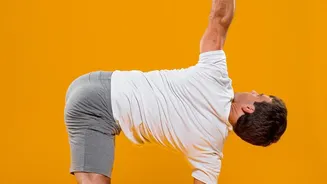
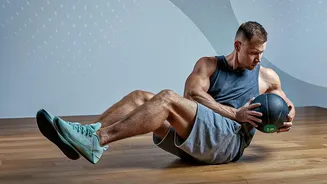
The standing torso twist is a foundational exercise designed to target the oblique muscles, which run along the sides of your abdomen. Its primary goal is to build core strength, enhance spinal mobility, and improve stability. When performed correctly,
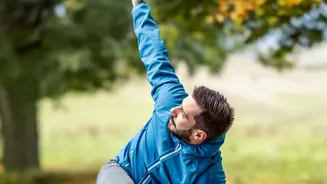
it’s a simple yet powerful movement that requires no equipment. The exercise involves standing with feet shoulder-width apart and rotating your upper body from side to side while keeping your hips relatively stable. This controlled rotation helps strengthen the muscles responsible for twisting and supporting your torso, which is crucial for everything from athletic performance to everyday activities like carrying groceries or turning to look behind you.
Redefining 'Comfort' in Exercise
In fitness culture, the phrase 'no pain, no gain' has often been misinterpreted. While pushing your limits is part of getting stronger, there’s a critical difference between muscle fatigue and joint or nerve pain. 'Comfort' in the context of a standing torso twist doesn't mean the exercise should be effortless. Instead, it refers to a pain-free range of motion. Listening to your body is a skill that prevents injury and promotes sustainable progress. Pushing through sharp pain is a signal to stop, not to push harder. Ignoring these signals can lead to strained muscles or more significant spinal issues, undermining your fitness goals.
Finding Your Ideal Range of Motion
The ideal range of motion for a torso twist is highly individual. It's determined by your unique spinal mobility, core strength, and flexibility. The goal is not to twist as far as possible, but as far as you can with control, using only your core muscles. One of the most common mistakes is using momentum—swinging the arms and shoulders—to force a deeper rotation. This not only reduces the engagement of your obliques but also places unnecessary stress on your lower back. A smaller, slower, and more controlled twist where you can feel the abdominal muscles initiating the movement is far more beneficial than a large, sloppy one.
How to Adjust Your Twist for Better Results
To perform the exercise correctly, stand with your feet shoulder-width apart and knees slightly bent. Place your hands on your hips or cross them over your chest to prevent them from swinging. Before you begin, brace your core as if you're about to be lightly punched in the stomach. Initiate the twist from your torso, not your arms or hips. Rotate slowly to one side, paying close attention to the point where you feel a gentle stretch and muscle engagement. Hold for a moment, then return to the center with the same control. The key is to keep your hips facing forward as much as possible. If you feel pain, reduce the range of your twist until it disappears. This focused, intentional movement ensures your core is doing the work.
The Benefits of a Modified Approach
Prioritizing a comfortable and controlled range of motion yields significant benefits. First, it drastically reduces the risk of injury, particularly to the vulnerable lower back. Second, it ensures proper muscle activation. When you stop using momentum, your obliques are forced to work harder through a more focused range, leading to better strength gains. Third, it builds a stronger mind-body connection, teaching you to pay attention to your body’s signals. This awareness is a transferable skill that will improve your form and safety across all other exercises. Ultimately, a modified twist promotes consistency; a pain-free routine is one you're more likely to stick with for long-term results.
Common Mistakes to Avoid
Beyond using momentum, there are other common errors to watch out for. One is moving too quickly. The standing torso twist is not a cardio exercise; it's about control and muscle tension. Rushing the movement negates its purpose. Another mistake is allowing your hips to rotate along with your shoulders. While some minimal hip movement is natural, the goal is to create separation between your upper and lower body to isolate the core. Finally, avoid hunching your back. Maintain a tall, elongated spine throughout the movement to ensure proper alignment and protect your back.