








The Trend: Get Back to Nature
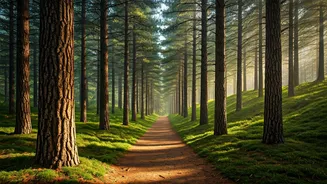
Forget cryotherapy chambers and IV drips. The one wellness trend that consistently delivers profound, science-backed benefits is deceptively simple: spending mindful time in nature. Popularised in Japan in the 1980s as *Shinrin-yoku*, or “forest bathing,”
this practice isn’t about hiking or exercise. It’s about consciously immersing yourself in a natural environment and connecting with it through all five senses. It was originally developed as a national health initiative to combat high levels of stress and burnout in the workforce. The goal is not to cover distance, but to slow down, breathe deeply, and simply be present among the trees, in a park, or by a body of water. It's an antidote to our screen-saturated, constantly-connected modern lives.
The Science of Calm
The calming effect of nature isn't just a feeling; it's a measurable physiological response. Numerous studies have shown that spending as little as 20 minutes in a natural setting can significantly lower levels of the stress hormone, cortisol. Participants in forest bathing studies consistently exhibit lower blood pressure, a slower heart rate, and a more balanced nervous system. A key factor is exposure to phytoncides, the aromatic compounds released by trees and plants to protect themselves from insects and rot. When we inhale these compounds, they have been shown to reduce stress hormones and anxiety, creating a tranquil state. It’s nature’s own aromatherapy, delivered free of charge.
A Boost for Your Brain
Our brains are constantly working, filtering information and maintaining focus. This directed attention is a finite resource that gets easily depleted, leading to mental fatigue and an inability to concentrate. This is where nature works its magic. According to Attention Restoration Theory (ART), natural environments are filled with “soft fascinations”—like the rustling of leaves or the movement of water—that capture our attention effortlessly. This allows our capacity for directed attention to rest and replenish. The result? Improved memory, enhanced creativity, and better problem-solving skills. A short walk in a park can be more restorative for your focus than scrolling through your phone or even meditating in a noisy room.
More Than Just a Mood Lifter
While the mental health benefits are significant, the impact on physical health is just as compelling. Research from Japan has shown that forest bathing can lead to a marked increase in the activity of Natural Killer (NK) cells. These are a type of white blood cell that plays a vital role in our immune system, helping our bodies fight off infections and even targeting early-stage cancerous cells. Some studies found that the positive effects on NK cell activity could last for up to 30 days after a trip to a forest. While more research is needed, the evidence strongly suggests that regular nature exposure is a powerful tool for building a more resilient immune system.
How to Start Your Practice
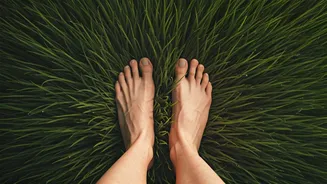
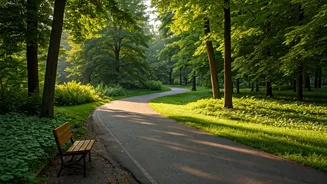
Adopting this trend doesn't require a trip to a remote national park. The beauty of it lies in its accessibility. Start with 20 minutes, two to three times a week. Find a local park, a quiet garden, or any patch of green space you can access. The most important step is to leave distractions behind; put your phone on silent or, better yet, leave it at home. Walk slowly and without a destination. Pay attention to the sunlight filtering through the leaves, the smell of the earth, the sound of birds, and the texture of a leaf or tree bark. The point is not to *do* anything, but to simply let your senses absorb the environment. It is a practice of being, not doing.