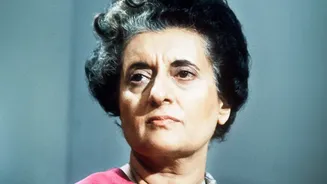






Beyond the grand stage of politics, personal memories offer the most intimate glimpse into the lives of public figures. A recent recollection by Sonia Gandhi about her mother-in-law, Indira Gandhi, does just that, painting a vivid picture.
A Culinary Tradition for Diwali
In a recent
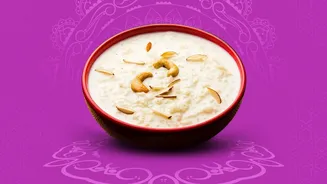
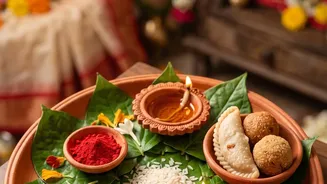
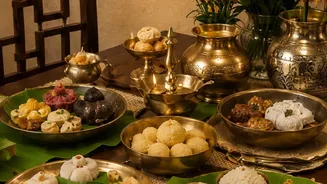
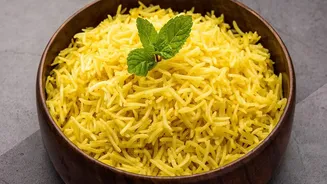
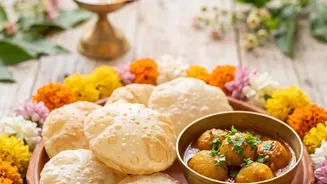
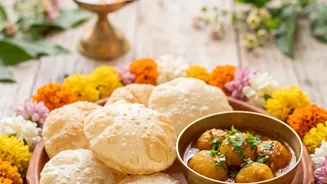
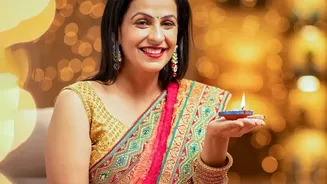
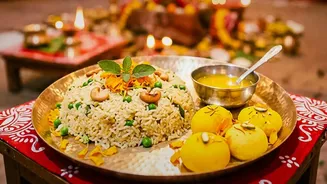
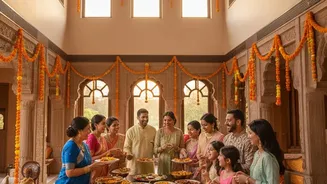
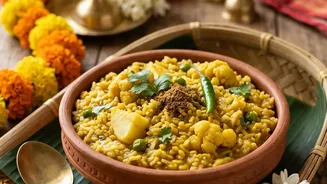
conversation with her daughter Priyanka and granddaughter Miraya, Sonia Gandhi journeyed back to the family’s celebrations at 1, Safdarjung Road, the former residence of the Prime Minister. She recalled that festivals, particularly Diwali, were marked by specific culinary traditions initiated by Indira Gandhi. "On festivals we always used to have Kashmiri food and that sweet rice… which we still make, by the way," Sonia shared. This small but significant detail reveals a tradition rooted in heritage, one that has been carefully passed down through generations, transforming a simple meal into a vessel of memory.
The Deep-Rooted Kashmiri Connection
The emphasis on Kashmiri food was no coincidence; it was a direct reflection of the Nehru family’s lineage. As Kashmiri Pandits, their cultural identity remained a strong thread in the family's fabric, even generations after they had settled elsewhere. This connection wasn't just ancestral; Indira Gandhi ensured it was a living part of her household. From the food to the celebration of festivals like Nauroz, the Kashmiri New Year, she preserved the customs she had inherited. Sonia Gandhi has previously written in her memoirs about how many of the family's daily Indian meals were prepared in the Kashmiri Pandit style, making the culinary heritage a part of their everyday life, not just festive occasions.
More Than Just a Meal
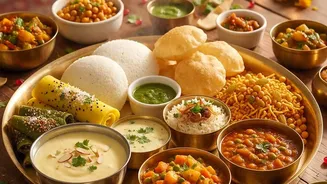
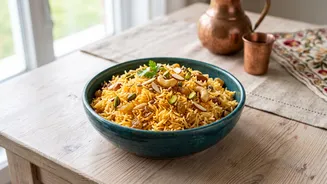
The 'sweet rice' Sonia Gandhi mentioned is likely Modur Pulav, a traditional Kashmiri festive dish fragrant with saffron and laden with dry fruits. Serving such a specific regional delicacy during a pan-Indian festival like Diwali speaks volumes. It highlights a syncretic household culture, where regional identity was proudly interwoven with national celebrations. This practice offered a glimpse of Indira Gandhi's vision of India itself—a nation that gloried in its rich diversity. The dining table, in this context, became a quiet reflection of the family's secular and inclusive values. Other Kashmiri staples, such as Goshtaba and Yakhni, were also reportedly frequent features on her menu when entertaining guests.
Humanising a Political Giant
Public memory often frames Indira Gandhi as the 'Iron Lady of India'—a formidable, powerful, and stern leader who navigated the country through turbulent times. Anecdotes like these, however, pull back the curtain on her public persona. They reveal a woman who was deeply family-oriented, who cherished her heritage, and who found joy in simple, grounding traditions. Her niece, Mira Hazari, has also recalled how Indira Gandhi would enjoy Kashmiri food, once sitting cross-legged at a dining table after a wedding to eat with her hands, fully relishing the flavours. It is these personal stories that add warmth and dimension to a figure often seen only through a political lens, reminding us of the human being behind the historic legacy.