





A Shift in Seasonal Travel
For years, the Indian travel calendar was predictable: summer for the mountains and winter for the beaches. The monsoon was often seen as an inconvenient off-season. That pattern is rapidly changing. Instead of waiting for clear skies, a growing wave
of domestic travellers is now planning getaways specifically to embrace rain-soaked landscapes, cooler temperatures, and less-crowded destinations. Travel industry reports show a significant year-on-year growth in monsoon travel. Some platforms have reported hotel bookings jumping by nearly 54% and a staggering 140% surge in bus bookings compared to last year. This isn't just about finding a good deal; it's a fundamental shift in how Indians perceive leisure, driven by a desire for unique, nature-based experiences.
From Inconvenience to Inspiration
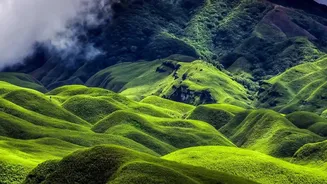
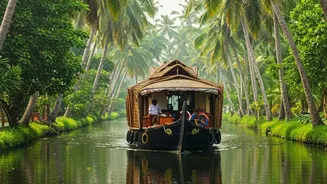
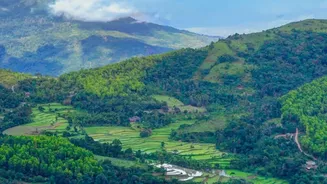
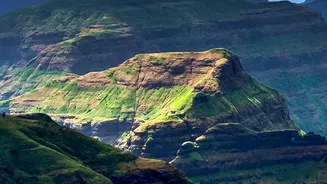
Several factors are fuelling this trend. The stresses of urban life have created a powerful need for quick, refreshing breaks. Short getaways like “mini-cations” and weekend trips are becoming the new norm for young professionals and families alike. The monsoon transforms familiar places into magical retreats. Highways are flanked by fresh green blankets, and waterfalls appear on rocky faces that were bare just a month before. Social media plays a huge role, with feeds filled with images of mist-covered hills in Munnar, overflowing waterfalls in Lonavala, and lush coffee plantations in Coorg, inspiring others to seek out these experiences. This visual appeal, combined with the pleasant, cool weather, makes a compelling case to head outdoors.
The Rise of the Road Trip
A key part of this monsoon boom is the embrace of the road trip. The dramatic increase in bus bookings reflects a rising appetite for shorter, more flexible journeys that allow travellers to explore at their own pace. Destinations close to major cities are seeing the biggest influx. The Western Ghats, with accessible hill stations like Lonavala, Mahabaleshwar, and Munnar, become a paradise for residents of Mumbai, Pune, and southern cities. These locations offer a perfect mix of scenic drives, trekking trails through misty forests, and the simple joy of sipping hot tea while watching the rain. It’s a trend that's not just limited to the south; northern hill stations like Kasauli and Nainital are also drawing crowds looking for a mountain escape.
Exploring the Unconventional
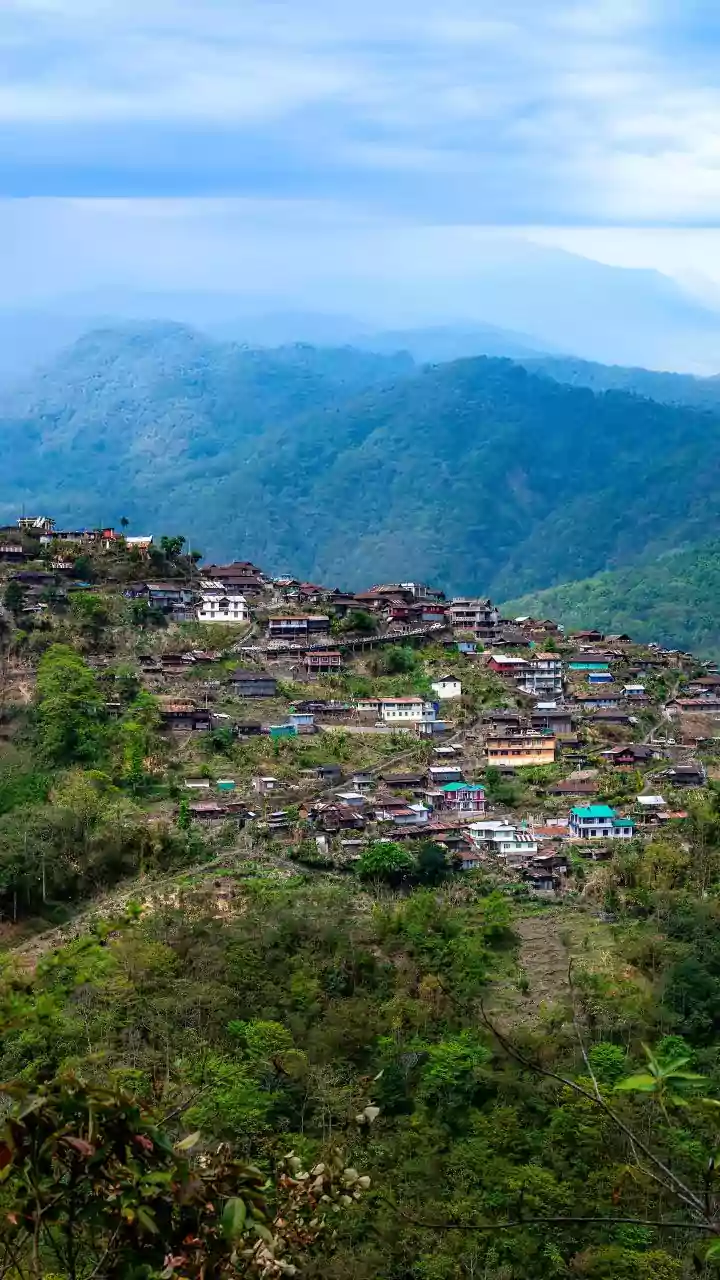
While classic destinations remain popular, a more adventurous spirit is taking hold. Travellers are increasingly seeking offbeat, immersive experiences. The Northeast has emerged as a breakout star this monsoon season, with states like Nagaland and Arunachal Pradesh seeing over 90% growth in hotel bookings. This points to a desire for deeper cultural engagement and exploring new terrains. Even established destinations like Goa are being rediscovered. Long known as a party hub, Goa’s monsoon personality is quieter and more peaceful, attracting visitors with its lush paddy fields and the dramatic sight of the Dudhsagar Falls in full flow. This diversification is creating a richer, more varied travel map across the country.
A Boost for Local Economies
This newfound love for the monsoon is providing a significant economic boost to local communities. What was traditionally a lean period for tourism is now becoming a vital part of the annual business cycle. Homestays, local guides, small cafes, and transport providers in destinations like Wayanad, which saw hotel bookings spike by over 160%, are all benefiting. The trend of exploring tier-II and tier-III locations brings tourism revenue to areas that might otherwise be overlooked, supporting livelihoods and encouraging the development of sustainable tourism infrastructure. This shift proves that domestic travel is no longer confined to just two peak seasons but is becoming a year-round driver of economic activity.