








Decoding the Orange Alert
The India Meteorological Department (IMD) uses a colour-coded system to warn citizens of impending weather. While a yellow alert advises residents to 'Be Aware', an orange alert is a call to 'Be Prepared'. This signifies a higher likelihood of heavy to very
heavy rainfall, which in Mumbai's context often means daily rainfall between 115.6 mm and 204.4 mm. This level of precipitation can disrupt transport and power and poses a risk of flooding, making it a critical warning for a densely populated city. The current orange alert is in effect from Wednesday, July 1, through Saturday, July 4, with forecasts of heavy showers, thunderstorms, and strong winds.
The Impact on City Life
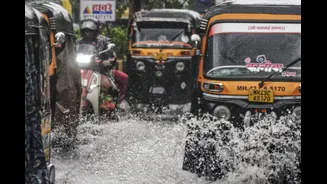
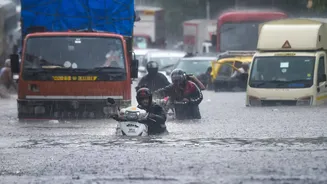
An orange alert is not an abstract warning; it translates to tangible, daily challenges. The heavy downpour on Tuesday and early Wednesday has already led to familiar monsoon woes: waterlogging in low-lying areas like Kurla and the closure of critical underpasses like the Andheri subway. For commuters, this means significant traffic congestion on major roads such as the Western Express Highway and delays on the city's lifeline, the suburban train network. Services on the Central, Western, and Harbour lines have reported running 15 to 20 minutes behind schedule. Authorities have also reported several incidents of falling trees, which can block roads and damage property, further snarling traffic.
Official Advisories and Safety Measures
In response to the orange alert, civic authorities, including the Brihanmumbai Municipal Corporation (BMC), are on high alert. Residents are strongly advised to take precautions. This includes avoiding unnecessary travel, especially during intense spells of rain, and staying away from waterlogged streets and coastal areas. Before heading out, Mumbaikars are encouraged to check for the latest updates on train and bus schedules, as services can be diverted or suspended on short notice. Securing loose objects on balconies and ensuring homes are protected from potential flooding are also recommended steps.
The High Tide Complication
Mumbai's monsoon challenges are often compounded by high tides, which prevent rainwater from draining into the sea and can lead to severe flooding. During the current spell, the IMD has flagged specific high tide timings. A significant high tide was predicted for June 30, with another expected in the early hours of July 1. When heavy rainfall coincides with these high tide periods, the city's drainage systems are overwhelmed, and the risk of widespread waterlogging increases dramatically. This makes it crucial for residents in low-lying coastal areas to be particularly vigilant.
An Erratic Monsoon So Far
This period of intense rain follows an unusually dry June for the city. Despite the current downpour, both the Colaba and Santacruz observatories reported rainfall deficits of around 18% and 22% respectively for the month of June. The monsoon's onset was delayed, but the current active phase, strengthened by westerly winds and a cyclonic circulation, is expected to bring widespread rain across the Konkan coast. This highlights the increasingly erratic nature of monsoon patterns, swinging from prolonged dry spells to sudden, intense bursts of extreme rainfall, making preparedness more critical than ever.