



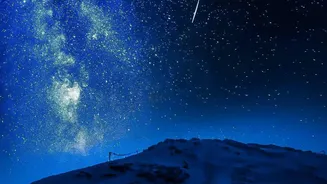
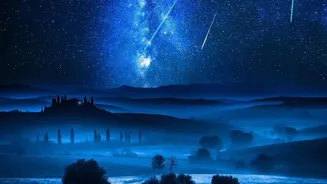
What Is the Perseid Meteor Shower?
The Perseids are one of the most beloved and reliable meteor showers of the year. They are caused by the Earth passing through a stream of cosmic debris left behind by Comet 109P/Swift-Tuttle. This comet, which takes 133 years to orbit the sun, last visited
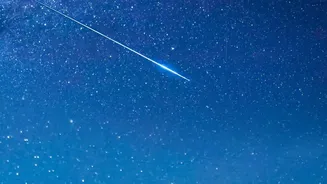
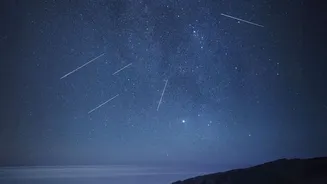
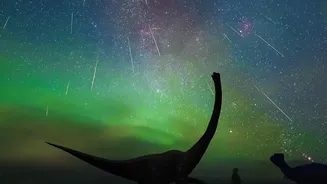
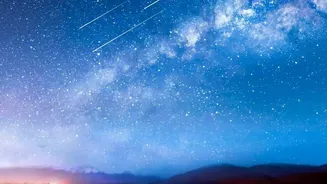
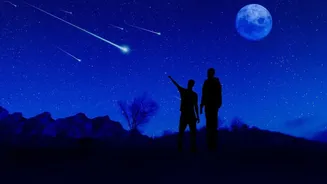
our inner solar system in 1992. Every August, as our planet journeys through this trail of dust and sand-sized particles, the tiny fragments burn up upon hitting our atmosphere at tremendous speeds, creating the bright streaks of light we call meteors or 'shooting stars'. The shower gets its name from the constellation Perseus, as the meteors appear to radiate from this point in the sky.
Why This Year's Show Will Be Perfect
Skygazers are in for a special treat in 2026. The peak of the shower coincides with a new moon on August 12. This means the sky will be exceptionally dark, with no moonlight to wash out the fainter meteors, creating ideal viewing conditions. In a dark, clear sky, observers can expect to see between 50 and 100 meteors per hour during the peak. The Perseids are also known for producing particularly bright meteors and fireballs—larger, more vibrant explosions of light that can leave glowing trails.
When and Where to Watch in India
The shower will be active from mid-July to late August, but the absolute best time to watch is during its peak on the night of August 12 and into the early morning hours of August 13. For viewers in India, the most spectacular window is expected between midnight and the pre-dawn hours (around 2:00 AM to 4:30 AM IST) on both mornings. Although the meteors appear to originate from the constellation Perseus, which rises in the northeast, they can streak across any part of the sky. So, you don't need to stare at one specific spot; a wide, open view is best.
Finding the Ideal Viewing Spot
The key to a great meteor shower experience is getting away from city lights. Light pollution is the biggest obstacle to seeing the show. For those in India, the main challenge can be monsoon cloud cover. The best locations are often high-altitude, dry regions. Areas like Ladakh and the Spiti Valley, which are in a rain shadow, offer exceptionally clear and dark skies. The Rann of Kutch in Gujarat is another excellent option due to its desert climate. If travelling that far isn't possible, try to find a spot on the outskirts of your city, like a hilltop, a dark park, or a rural area with an unobstructed view of the sky.
Your Essential Viewing Checklist
You don’t need any special equipment like binoculars or a telescope to enjoy the show; your eyes are the best tool. The most important thing is patience. Give your eyes at least 15 to 30 minutes to fully adjust to the darkness—and that means no looking at your phone screen. Pack a comfortable reclining chair or a blanket so you can lie back and look up without straining your neck. Nights can get cool, even in August, so bringing a jacket or an extra blanket is a good idea. Finally, bring some snacks and water, settle in, and enjoy the cosmic display.