





Perform a Post-Rain Cleanup
The first step is a thorough cleanup. Monsoon storms can leave behind broken stems, fallen leaves, and other debris. Clear this away to improve air circulation and prevent fungal diseases from taking hold in the damp conditions. Inspect your plants for
any signs of rot or damage at the base. Gently remove any yellowing or blackened leaves to help the plant direct its energy toward new, healthy growth. It's also a good time to disinfect your gardening tools to avoid spreading any potential pathogens from one plant to another.
Revive and Recharge Your Soil
Heavy monsoon rains can wash away essential nutrients from the soil, leaving it compacted and leached. Your plants will need a nutritional boost to thrive in the coming months. Gently loosen the top layer of soil with a small fork to improve aeration, which helps the roots breathe. This is the ideal time to replenish nutrients by adding organic matter. Mix in a layer of well-rotted compost, vermicompost (worm castings), or aged manure. This not only feeds your plants but also improves soil structure and drainage. For an added layer of protection, mixing in some neem cake can help deter soil-borne pests and diseases.
Prune for Purposeful Growth
After the monsoon, many plants can look overgrown and leggy. Light pruning in the post-monsoon period encourages bushier, healthier growth and more flowers. Trim away any dead, damaged, or weak branches, making clean cuts just above a leaf node. For flowering shrubs like hibiscus and bougainvillea, this is an excellent time to shape them and remove spent blooms, which encourages the plant to produce new flowers. Avoid aggressive pruning; the goal is to clean up the plant and encourage new shoots, not to put it under stress.
Manage Pests and Diseases
The high humidity of the monsoon season creates a perfect breeding ground for pests like snails, slugs, aphids, and mealybugs. Inspect your plants carefully, especially on the undersides of leaves and at stem joints. For slugs and snails, which thrive in damp conditions, you can create a barrier of crushed eggshells or wood ash around the base of your pots. A simple spray made from neem oil, a few drops of liquid soap, and water is an effective organic solution for controlling soft-bodied insects like aphids and whiteflies. Ensuring good airflow between your pots will also help prevent common fungal issues like powdery mildew.
Sow Seeds for Winter Blooms
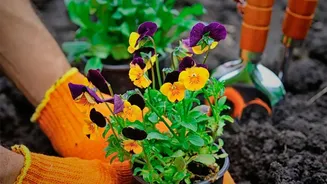
Now for the most exciting part: planting for the winter season. The cooler, milder weather is perfect for a variety of beautiful flowering plants that will brighten your balcony. This is the time to sow seeds for winter favourites like marigold (genda), petunia, pansy, dianthus, and calendula. These flowers thrive in the pleasant Indian winter and grow well in pots and containers. You can also plant winter vegetables like spinach, tomatoes, radishes, and chillies, which do well in containers with adequate sunlight.
Check and Prepare Your Pots
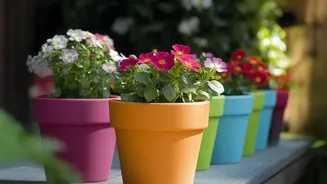
Finally, take a look at your containers. Ensure that the drainage holes are not clogged, as waterlogged soil is a leading cause of root rot. If you have plants that have outgrown their current home, this is a good opportunity to repot them into a slightly larger container with fresh potting mix. For plants that were moved to a sheltered spot during heavy rains, you can now move them back to a location where they will receive the appropriate amount of sunlight, typically four to six hours for most winter flowering plants.