
The First 48 Hours: Tender Greens and Herbs
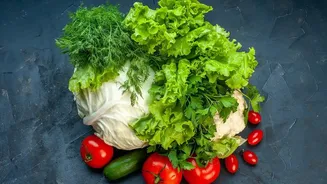
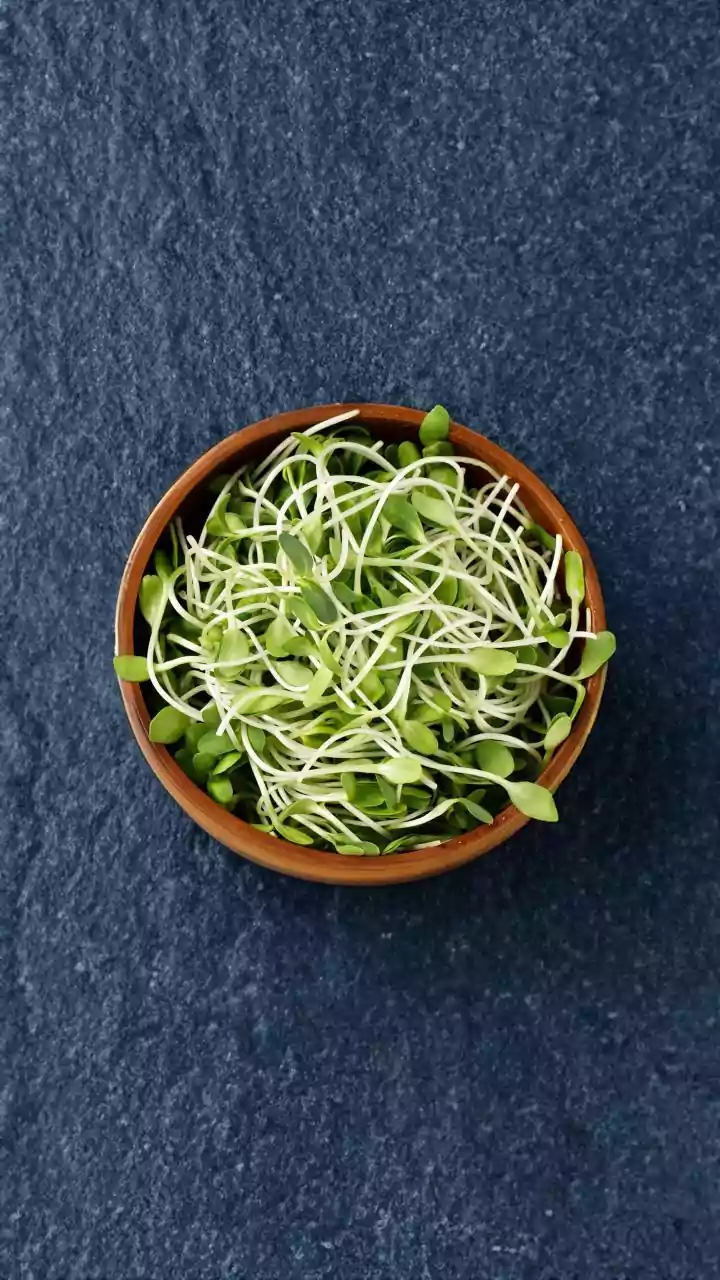
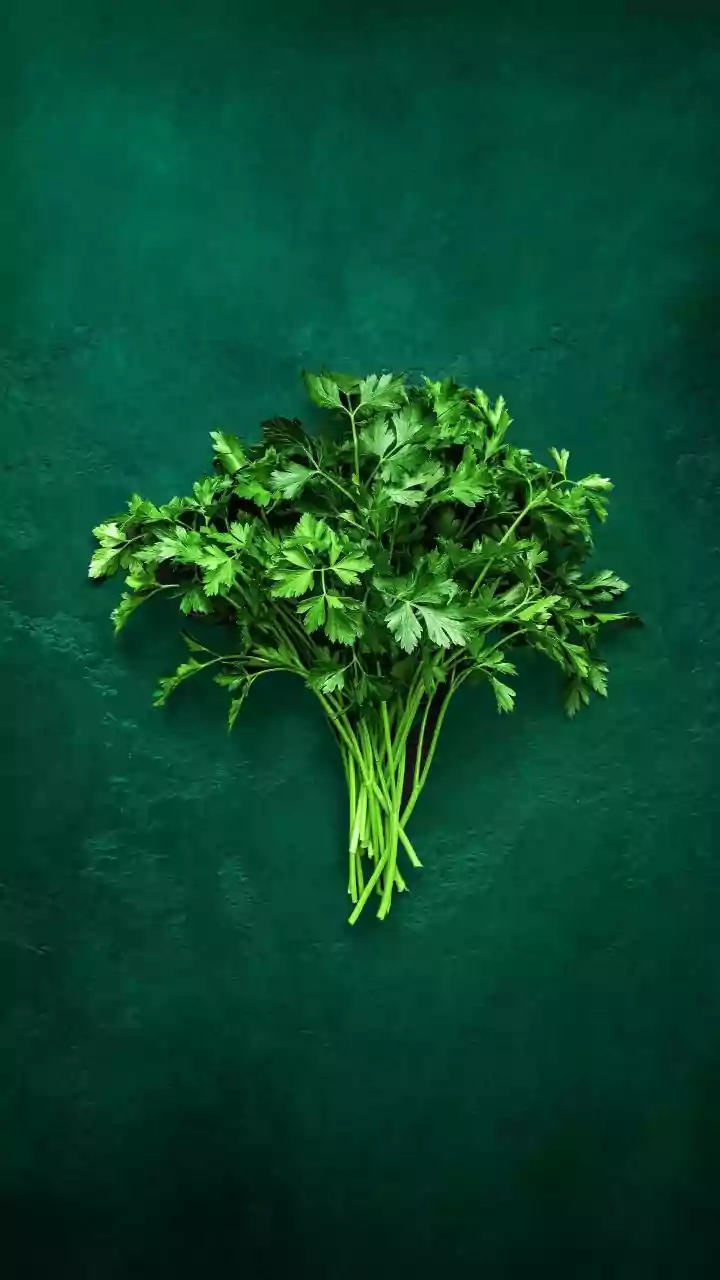
Your first priority should always be the most fragile items, often called “danger zone” veggies. This category includes all leafy greens like spinach (palak), fenugreek (methi), lettuce, and arugula, as well as fresh herbs like coriander, mint, and dill.
These items have high water content and delicate leaves, making them wilt and spoil quickly. Plan to use them within the first two days of receiving your box. To keep them fresh until you're ready, you can wrap them in a paper towel and store them in a plastic bag or container in your refrigerator's crisper drawer. Quick and easy uses include tossing them into a vibrant salad, blending them into a nutrient-rich smoothie, wilting them into a simple sabzi, or using the herbs as a fresh garnish for dals and curries. The key is to act fast, ensuring you get to enjoy them at their peak freshness and flavour.
Mid-Week Meals: Soft-Skinned Vegetables
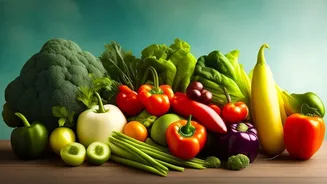
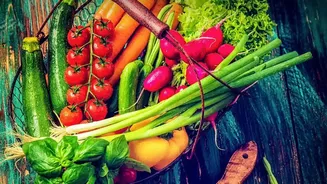
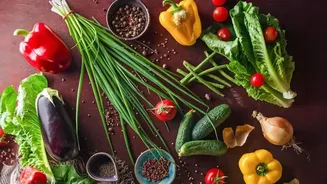
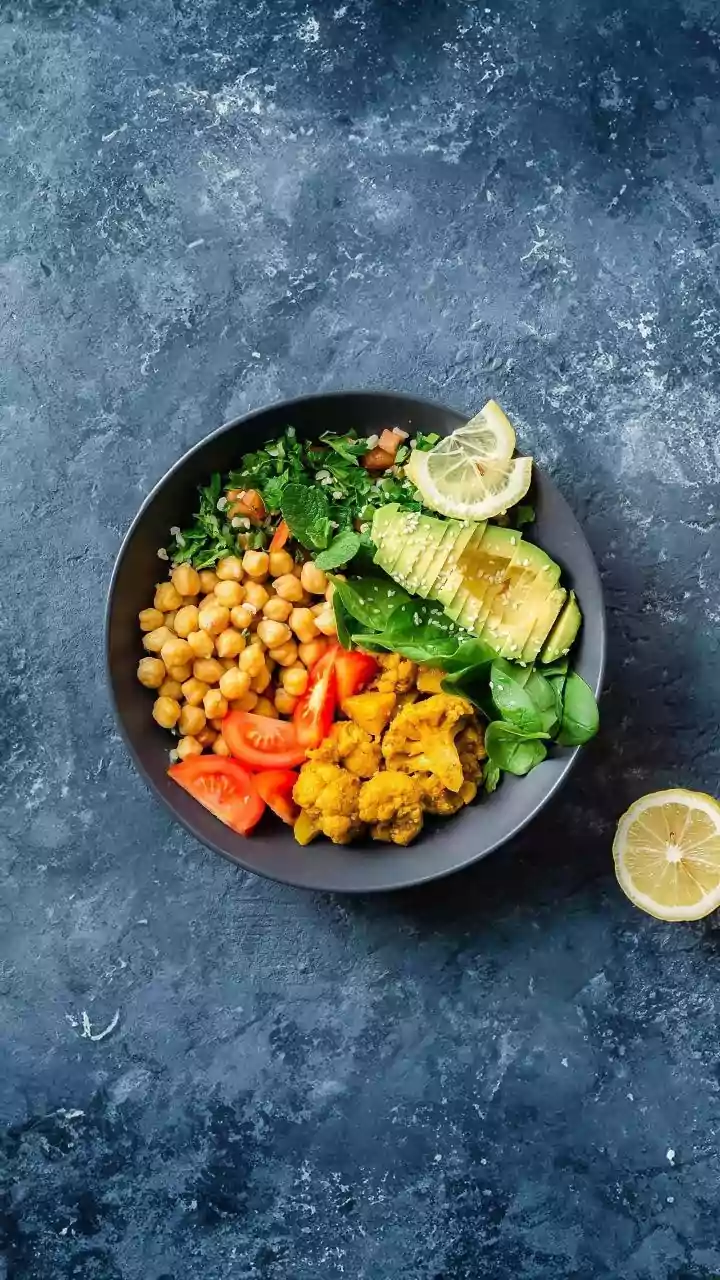
Once you've addressed the leafy greens, turn your attention to the soft-skinned produce. This group includes vegetables like tomatoes, bell peppers (capsicum), cucumbers, zucchini, okra (bhindi), and eggplant (baingan). While more durable than herbs and greens, they still have a limited shelf life and are best consumed within three to five days. These vegetables are incredibly versatile and form the base of many everyday Indian dishes. They are perfect for quick stir-fries, flavourful curries, and roasted vegetable medleys. Slightly older, softer vegetables that are past their prime for a raw salad can be excellent in cooked dishes like soups or sauces. Grouping these items together in one section of your fridge can serve as a visual reminder to use them next.
The Weekend Projects: Sturdy and Semi-Hardy Produce
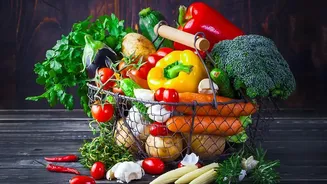
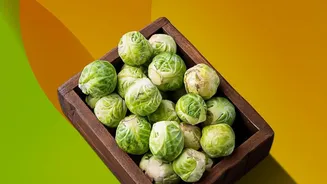
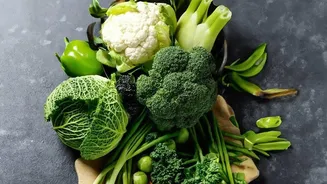
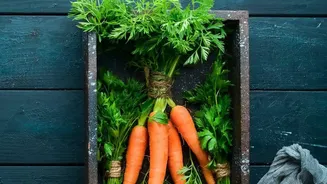
As the week progresses, you can move on to the sturdier vegetables that are more forgiving. This category features items like broccoli, cauliflower, cabbage, carrots, and beets. These vegetables can typically last for about a week if stored correctly. For instance, it's a good practice to chop the leafy tops off carrots and beets before storing the roots in a bag in the fridge; this prevents the roots from becoming limp and soft. The greens themselves don't have to go to waste and can be used just like other leafy greens. These semi-hardy vegetables are perfect for weekend cooking projects. Think of hearty soups, coleslaws, pickles (achar), or a big batch of roasted vegetables to use in meals for the upcoming week.
The Long Haul: Hardy Root Vegetables and Squashes
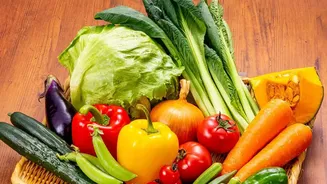
The final category of produce in your box consists of the long-lasting, hardy items that act as your pantry staples. These are your potatoes, sweet potatoes, onions, garlic, and hard squashes like pumpkin. When stored properly in a cool, dark, and dry place away from direct sunlight, these vegetables can last for several weeks. These are the items you don't need to worry about using immediately. They provide a reliable foundation for meals long after the more delicate produce is gone. Having this sturdy base on hand means you always have the makings of a comforting soup, a simple roast, or a foundational curry base, giving you flexibility and peace of mind.
Adopting the 'Use-First' Mindset
Successfully using a produce box requires a slight shift in how you plan your meals. Instead of deciding what you want to eat and then buying the ingredients, you decide what to cook based on what needs to be eaten first. This 'use what you have' approach is a cornerstone of reducing food waste. By mentally categorizing your produce from most to least perishable as soon as you unpack it, you create a natural meal plan for the week. This strategy not only ensures you enjoy your vegetables at their best but also helps save money and reduces your environmental footprint. Embrace the idea that if the produce grows together in the same season, it likely tastes good together, and don't be afraid to experiment.