
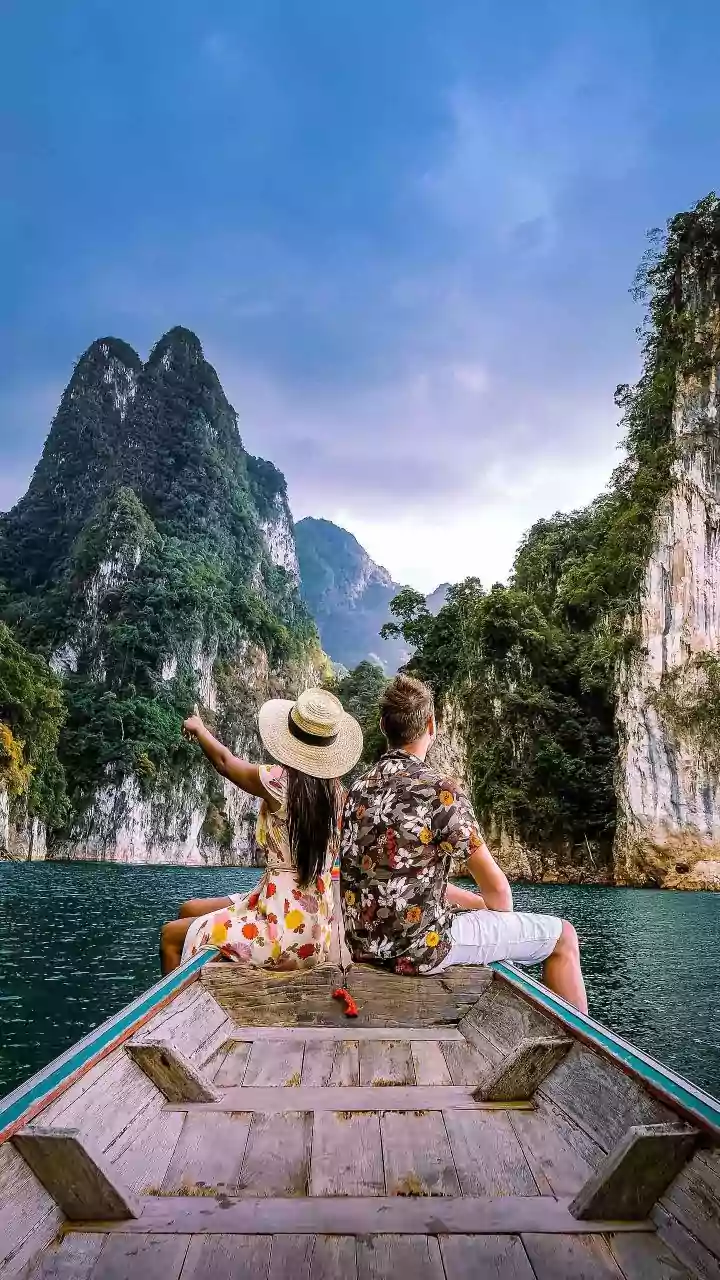





The Rise of the Workation
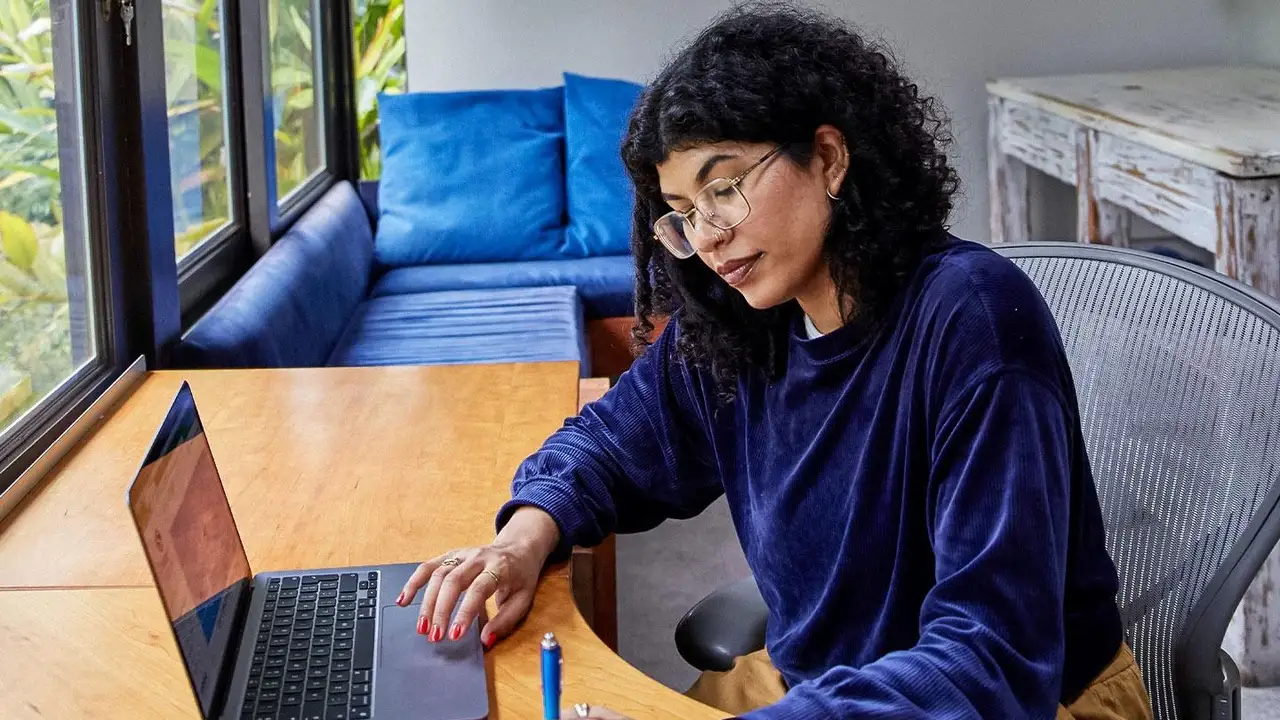
The remote work revolution, accelerated in recent years, has morphed into a lifestyle movement. It's no longer just about working from a home office, but about working from anywhere. This has given rise to the 'workation'—a blend of work and vacation
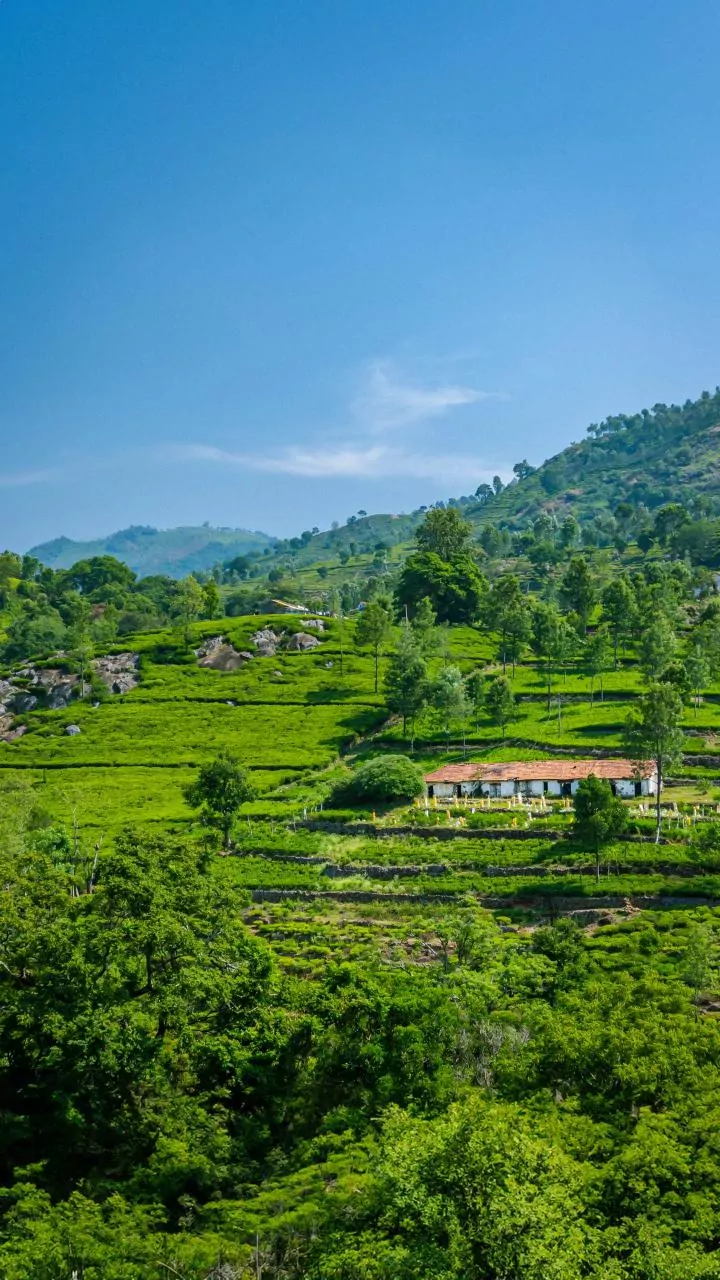
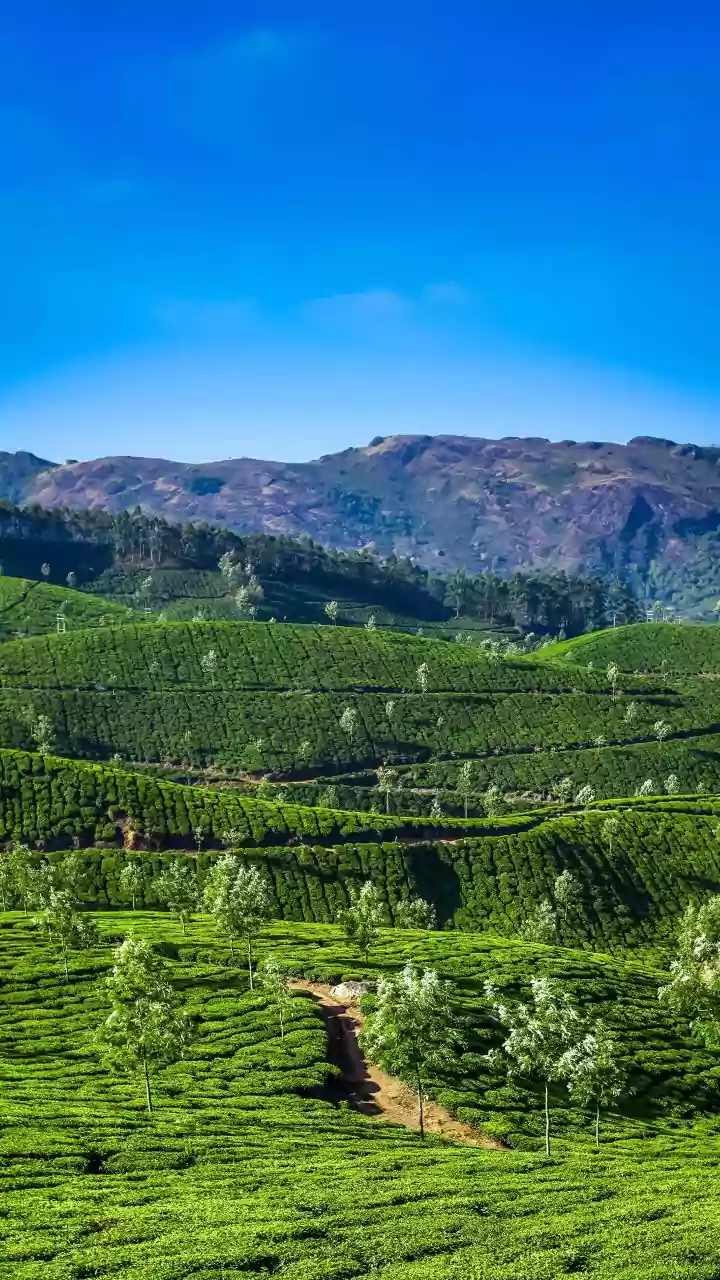
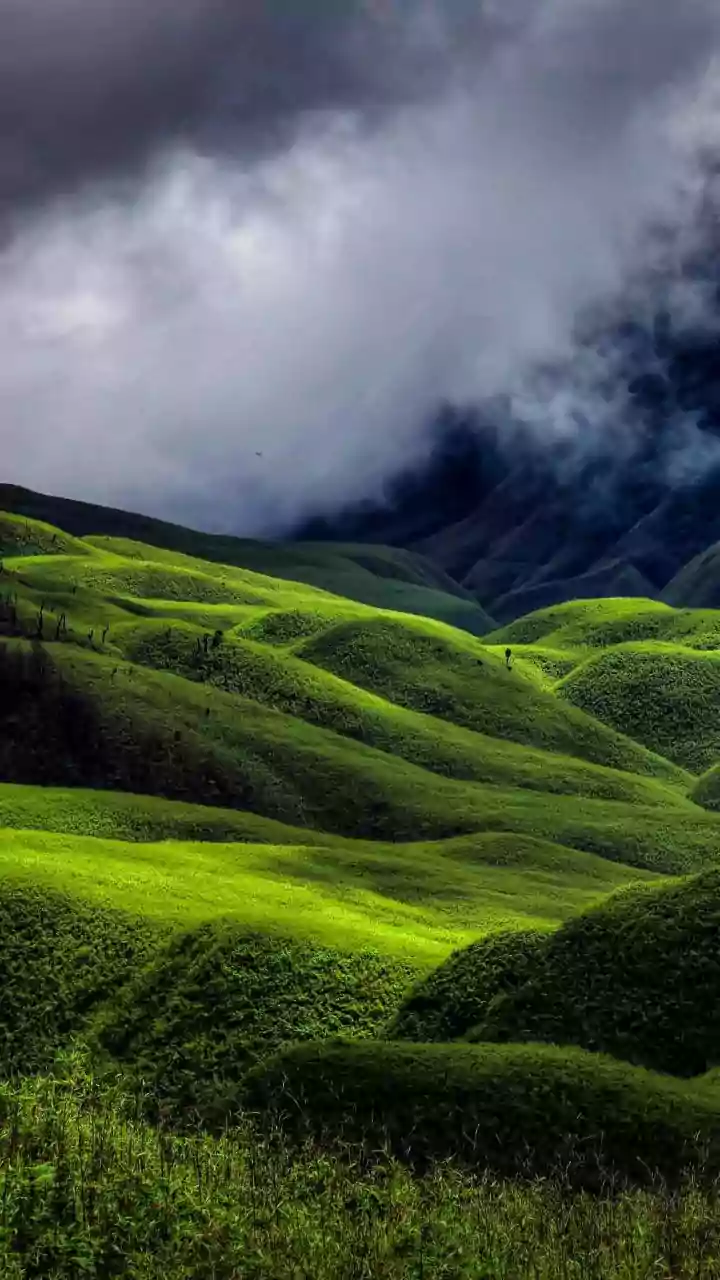
that prioritises well-being alongside productivity. While popular spots like Goa and Rishikesh have long attracted digital nomads, a new trend is emerging. Professionals are seeking quieter, more immersive experiences, and for many, the answer lies in the misty, coffee-scented landscapes of Coorg, Karnataka, often called the 'Scotland of India'. Here, the nine-to-five grind is replaced by focused work sessions punctuated by bird calls and walks through sprawling plantations.
Why Tier 2 Cities Are Leading the Charge
Interestingly, this exodus isn't just being driven by residents of bustling metros. A significant number of professionals from Tier 2 cities like Mysuru, Mangaluru, and Coimbatore are at the forefront of this trend. Having already opted for a better work-life balance and lower cost of living compared to Tier 1 cities, these workers are now taking the next logical step. For them, Coorg is often a short drive away, making it an accessible escape from their own growing urban environments. The mindset has shifted: if work can be done from anywhere, why not choose a place that calms the mind and inspires creativity? This 'reverse brain drain' from metros to smaller cities has now extended to seeking temporary, nature-based workplaces.
An Office Unlike Any Other
The primary draw of a Coorg estate is its promise of deep, uninterrupted focus. Estate owners and homestay operators have adapted quickly, offering long-stay packages complete with the non-negotiable essentials of modern work: high-speed Wi-Fi and reliable power backup. A typical day might involve a morning work block, an afternoon stroll through a coffee plantation to learn about arabica and robusta beans, and an evening spent reading on a veranda overlooking rolling hills. Many properties, from heritage bungalows to cozy cottages, are specifically marketing themselves as workation-friendly. This setup allows workers to disconnect completely after logging off, trading screen time for nature trails, waterfall hikes, or exploring local Kodava culture and cuisine.
Productivity and Peace of Mind
The benefits extend far beyond a beautiful Zoom background. Professionals report enhanced productivity, attributing it to the serene environment that minimises the distractions of city life. With fewer interruptions, they can engage in deep work and finish tasks more efficiently. More importantly, this change of scenery has profound effects on mental health. Being immersed in nature is a proven stress reducer, helping to combat the burnout that has become common in a hyper-connected world. It’s a chance to reset, integrating work into a more holistic and fulfilling daily rhythm rather than letting it dominate life. The slower pace encourages a healthier balance, with more time for personal hobbies and relaxation.
A Sustainable Future for Work and Travel
This trend offers a glimpse into the future of professional life in India. It's a win-win situation: remote workers get a rejuvenating environment, and local economies in places like Coorg receive a steady, sustainable source of income that is less reliant on the seasonal tourist rush. Homestay owners are finding a new, consistent clientele in these long-term guests who appreciate the quietude their properties offer. As more companies embrace flexible work arrangements, the idea of a 'workplace' will continue to evolve. It's no longer confined to a specific building but is defined by connectivity and the pursuit of a better quality of life—a balance that many are finding in the tranquil estates of Coorg.