




The Co-Living Conundrum
Co-living spaces are booming across cities like Bengaluru, Mumbai, and Delhi, offering young professionals and students an affordable and community-driven housing solution. These spaces are convenient, with furnished rooms, shared amenities, and flexible
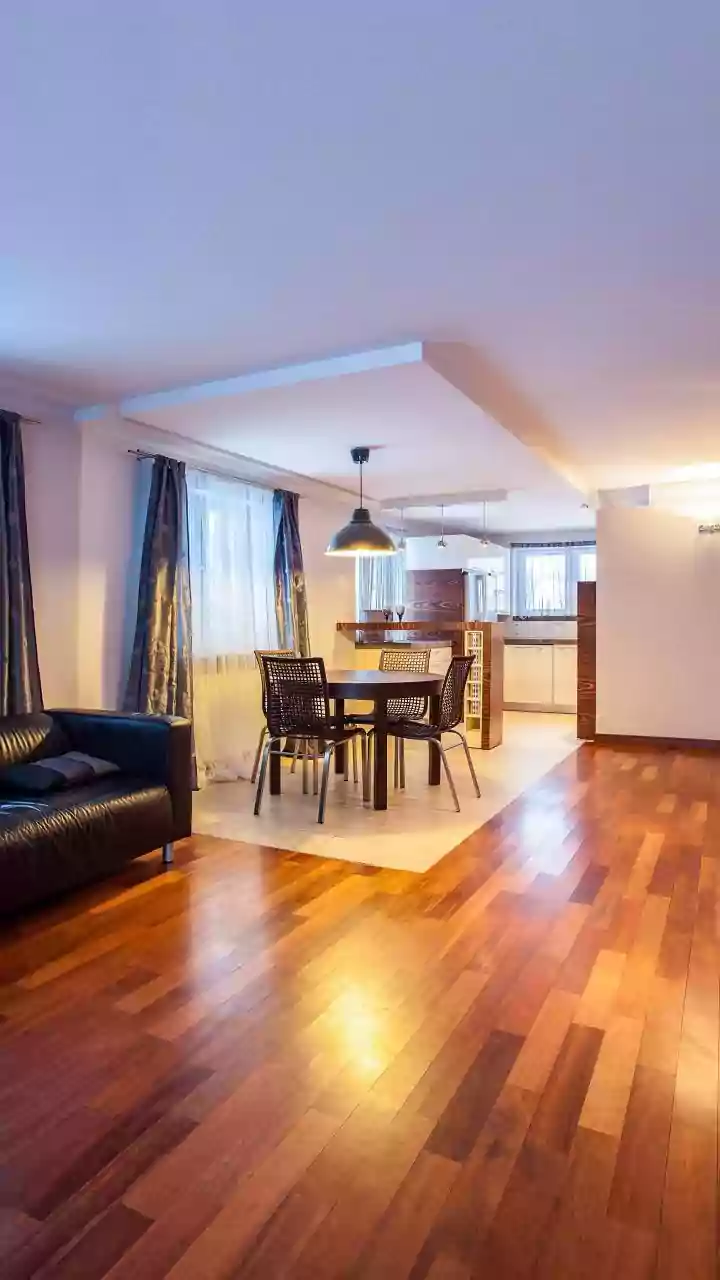
leases. However, the very nature of these spaces—standardised furniture, strict rules against drilling or painting, and compact room sizes—often leaves little room for personal expression. The result can be a space that is functional but feels impersonal, more like a long-term hotel stay than a true home. This is the challenge: how to inject your personality into a room that isn’t entirely yours, and to do so in a way that is both temporary and impactful.
What Exactly Is Modular Decor?
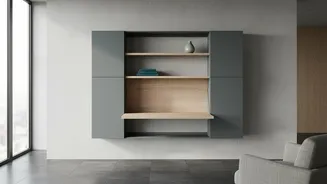
Modular decor isn't just a type of furniture; it's a design philosophy built on flexibility. The term refers to items made of independent, standardised units (or modules) that can be combined, rearranged, and customized to fit your specific needs and space. Think of it like building blocks for adults. A modular sofa can be broken down into sections and reconfigured from an L-shape into a straight couch or two separate seats. Modular shelving can be stacked vertically or expanded horizontally. This category also includes non-furniture items like peel-and-stick wallpaper, interlocking floor tiles, and non-damaging wall hanging systems that allow for creativity without consequence.
Personalisation Without the Permanence
The greatest advantage of modular solutions in a rental setting is the ability to personalize without making permanent changes. Co-living agreements are notoriously strict about alterations. You can't paint the walls, drill holes for shelves, or replace the provided furniture. Modular decor cleverly sidesteps these restrictions. You can use large, colourful, freestanding art pieces instead of painting. Removable decals or fabric panels can create an accent wall without damaging the paint underneath. Modular furniture allows you to add your own functional style—like a sleek, low-profile media unit or a clever storage ottoman—that complements the existing setup and can be easily removed when you move out.
Flexibility for Evolving Needs
Life in a metro is dynamic, and your living space should be able to adapt. Modular furniture is designed to evolve with you. A modular desk might start as a simple work surface but can later have shelves or drawers added as your needs change. A set of interlocking storage cubes can be used as a bedside table in one configuration and a bookshelf in another. This adaptability is perfect for the often-transient nature of co-living. If you move to a new room or a new city, your modular pieces can be reconfigured to fit a different layout, making them a smart, long-term investment. Their lightweight and easy-to-disassemble nature also makes moving significantly less stressful.
Maximising Every Square Inch
In compact urban apartments, every inch of space is precious. Modular design excels at space optimization. With apartment sizes shrinking in major Indian cities, designers are increasingly turning to modular solutions to create functional, uncluttered homes. These pieces are often multi-functional; an ottoman may have hidden storage, a coffee table can transform into a workspace, and a bed frame might include built-in drawers. By making use of vertical space with stackable units or providing clever storage, modular decor helps keep a small room organized and feeling more spacious than it actually is. This allows you to add necessary functions to your room without adding clutter.