







An Unpredictable Monsoon Season
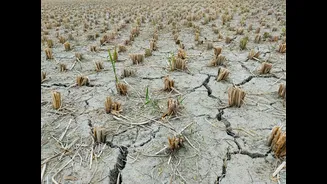
The 2026 southwest monsoon, which is now beginning its withdrawal, has been a story of sharp contrasts. As of mid-September, cumulative rainfall for the country was around 15% below the long-term average, a significant deficit that could make this the driest
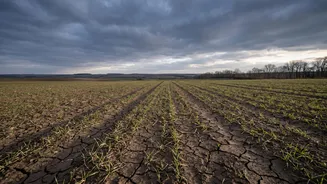
monsoon in over a decade. This national figure, however, hides a more complex reality. Some states, like Odisha, have received excess rain, while many others, particularly in the south, northwest, and northeast, are facing considerable shortfalls. This erratic distribution, marked by prolonged dry spells, is a major concern because the timing of rainfall is just as crucial as the total volume for the health of summer-sown, or Kharif, crops.
Impact on Key Kharif Crops
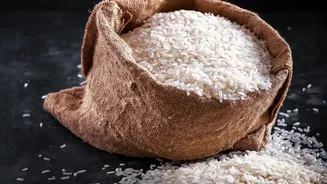
The irregular monsoon has directly affected sowing operations for several critical crops. According to Agriculture Ministry data from mid-September, the total area sown with Kharif crops is only slightly lower than last year. However, there are worrying declines for specific staples. The acreage for rice, a major Kharif crop, is down by about 4%, with significant sowing deficits reported in states like Karnataka, Telangana, and Uttar Pradesh. The area under oilseeds, cotton, and sugarcane also remains below last year's levels. While there has been a slight increase in the area for pulses and coarse cereals, analysts are concerned that the uneven rainfall and lower water levels in reservoirs could still negatively impact the final yield and productivity of these crops even where sowing was completed.
The Link to Food Prices
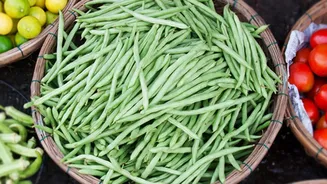
A potential reduction in crop yields naturally raises concerns about food inflation. When supply tightens, prices tend to rise. Food and beverages have a substantial weight in India's Consumer Price Index (CPI), meaning even small changes at the grocery store can significantly impact headline inflation. The year-on-year food inflation rate for August 2026 stood at 5.95%. While government officials are hopeful that this pressure will not persist toward the end of the year, a weaker-than-expected Kharif harvest could disrupt that outlook. The prices of vegetables, pulses, and edible oils are particularly sensitive to monsoon performance and crop output. Any shortfall in domestic production could mean higher prices for consumers in the coming months.
Government on High Alert
The government is closely monitoring the situation to manage potential price shocks and ensure food security. India maintains buffer stocks of key staples like rice and wheat, which can be released into the market to cool down prices if supplies become too tight. The Chief Economic Adviser has noted that while the rainfall deficit is a concern, the overall sowing gap is still considered manageable. However, a close watch is being kept on the harvest output, which will become clearer from October onwards when harvesting begins. Depending on the final production numbers, the government may consider measures such as calibrating import and export policies to stabilize domestic availability and prices.