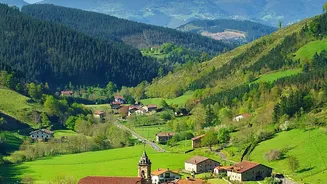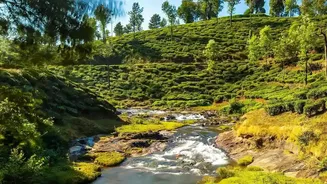







Dreaming of exploring Chhattisgarh's lush forests but daunted by the cost of commercial safari packages? There is a more intimate, affordable, and sustainable way to experience the state's wild heart: guided forest walks led by local communities.
An Alternative to the Jeep
When
tourists think of wildlife tourism in India, the rumbling engine of a jeep safari is often the first thing that comes to mind. In Chhattisgarh, home to stunning national parks like Achanakmar and Udanti-Sitanadi, these safaris are a popular way to cover vast distances in search of iconic animals. However, a quieter, more grounded alternative is gaining traction. The state's Forest Department, along with several community-based tourism initiatives, is promoting guided forest walks and treks. These experiences shift the focus from a high-speed chase for big game to a slow, deliberate immersion in the forest ecosystem. Led by trained local and tribal guides, these walks offer a chance to connect with nature on a different level, learning about the smaller wonders that a speeding vehicle might miss.
A Clear Cost Advantage
The most compelling argument for choosing a forest walk is the significant cost difference. A single private jeep safari in a popular destination like Achanakmar Tiger Reserve can cost between ₹3,500 and ₹4,500 per vehicle, which typically accommodates up to six people. In contrast, entry fees for parks like Kanger Valley are minimal, often as low as ₹30-₹50 per person, with fees for mandatory local guides for specific sites like caves costing around ₹120-₹150. Even more comprehensive, multi-day guided jungle treks can be surprisingly affordable. Some operators offer 3-to-4-day trekking packages for around ₹9,000 to ₹10,500 per person, which often includes meals, guide fees, and tented accommodation. When compared to all-inclusive commercial tour packages, which frequently start at ₹35,000 per person for a five-day trip that includes safaris, the savings are substantial.
More Than Just Savings
The value of a guided walk extends far beyond your wallet. The experience itself is fundamentally different. While a jeep safari offers the thrill of potentially spotting a tiger or a herd of gaur, a forest walk is about intimacy and detail. On foot, you are attuned to the subtle sounds of the jungle—the rustle of leaves, the calls of lesser-known birds, and the hum of insects. Guides, often from local communities who have known the forest for generations, can point out medicinal plants, ancient rock paintings, and the tracks of nocturnal animals. You might explore the million-year-old limestone formations of Kutumsar and Kailash caves or learn to identify the call of a Malabar Pied Hornbill. It's an experience that engages all the senses, offering a deeper understanding of the forest's delicate web of life.
Supporting Sustainable Community Tourism
Choosing a guided walk is also an act of sustainable tourism. The Chhattisgarh government has been actively working to empower local communities, particularly in tribal areas, by developing eco-tourism models that provide direct livelihoods. Many of these guided walks and treks are run by local self-help groups and forest committees. When you hire a local guide or stay in a community-run homestay, your money directly supports the local economy and incentivizes the conservation of these natural habitats. Initiatives like 'Unexplored Bastar' and the new Hornbill Safari in the Udanti-Sitanadi Tiger Reserve are prime examples of this model, where youth from nearby villages are trained as birdwatchers and nature guides, turning them into stakeholders in conservation.
How to Plan Your Forest Walk
Planning a guided walk in Chhattisgarh is becoming easier. For specific sites within national parks like Kanger Valley, guides can often be hired at the entry gate. For more structured, multi-day treks, it's best to contact specialised eco-tourism operators or community-based initiatives online, such as those operating in the Bastar region or offering treks in Guru Ghasidas National Park. The Chhattisgarh Tourism Board and Forest Department websites are also valuable resources for finding registered guides and information on eco-tourism zones. Remember that while safaris are focused on tiger reserves, these walks can take you to a wider variety of landscapes, from dense sal forests to dramatic waterfalls and ancient caves, offering a broader perspective of the state's natural heritage.