






Start with Authorised Platforms
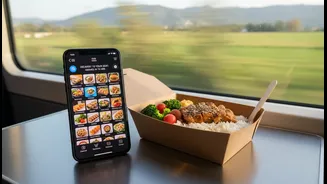
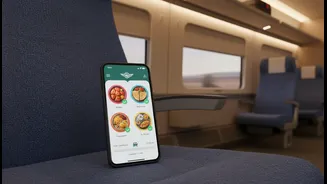
The most reliable way to order food is through official channels. Indian Railways Catering and Tourism Corporation (IRCTC) runs the e-Catering service, which is the official platform connecting passengers with verified food partners. You can access it via
its website or app, and you will need your PNR number to see available restaurant options along your route. Major food aggregators like Swiggy, Zomato, and RailRestro are also authorised partners, but initiating your search through the official IRCTC portal ensures you are in the right ecosystem from the start. This network is designed to uphold certain quality and service standards, which provides a layer of security that independent, unverified vendors do not offer.
Check for FSSAI Certification
The Food Safety and Standards Authority of India (FSSAI) license is a non-negotiable benchmark for hygiene and safety. All food businesses operating on or around railway premises are required to have FSSAI registration or a license, depending on their size. Reputable e-catering platforms make FSSAI certification a mandatory requirement for their restaurant partners. Before ordering, check the restaurant's details on the app for its FSSAI license number. This certification means the kitchen is subject to hygiene regulations and quality audits, reducing the risk of food-borne illnesses. If a vendor cannot provide this, it is a significant red flag.
Verify the Restaurant’s Reputation
While aggregator apps provide a wide variety of choices, from local eateries to national chains, it pays to be discerning. Star ratings within the app can be a starting point, but supplement this by checking reviews on other public platforms if possible. Recent reports confirm that while order volumes are surging, with some platforms seeing a threefold increase, complaints about quality, hygiene, and incorrect orders persist. Choosing well-known brands like Haldiram's, McDonald's, or Paradise Biryani, which are available at many stations, can often be a safer bet as they have standardized quality control. Customer reviews often highlight issues like late delivery or cold food, giving you a more realistic picture of what to expect.
Confirm the Delivery Logistics
A common point of failure is the train’s schedule versus the restaurant's delivery window. Before placing an order, double-check your train’s scheduled halt time at the delivery station. A stop of just two minutes is too risky for a food delivery. Ensure your PNR is correct and your coach and berth details are final, as these can sometimes change after charting, leading to confusion. Some apps have introduced features to simplify this; for instance, Swiggy's 'Scan your Ticket' feature automatically detects the PNR to reduce errors. Also, ensure the phone number you provide is correct and that you will likely have network coverage around the time of delivery, as the delivery person may need to call you.
Understand the Payment and Complaint Process
Knowing your options before a problem arises is crucial. Many platforms offer both prepaid and Payment on Delivery (POD) options. Choosing POD can offer peace of mind, as you only pay if the order arrives correctly. If something goes wrong with a prepaid order—such as non-delivery, poor quality, or wrong items—you need to know how to complain. The first step is to contact customer support on the platform where you placed the order, with your order ID and PNR ready. Take photos as evidence, especially for quality issues. If the platform is unresponsive, you can escalate the grievance through the official Indian Railways RailMadad portal or helpline (139).
Identify the Authorised Staff
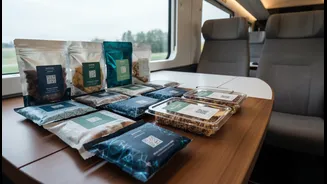
To combat unauthorised vending, IRCTC has made it mandatory for all authorised onboard catering staff to carry QR code-based identity cards. When your food is delivered, you can ask to see this card. A quick scan of the QR code should display the vendor's name, their company, and other verification details, confirming their legitimacy. This helps distinguish them from illegal hawkers who may sell unhygienic food. Some food packets may also come with a QR code that shows details about the kitchen and the date of manufacturing, adding another layer of traceability and accountability.