






More Than Just Daily Weather
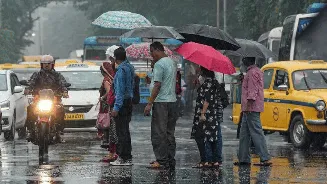
We check the weather forecast daily, but our planet’s health goes far beyond tomorrow’s temperature. The science of our Earth is the science of our collective future. In India, this reality is becoming starkly clear. The once-reliable rhythm of the monsoon,
the lifeblood for over half our population dependent on agriculture, is becoming dangerously erratic. Intense downpours cause flash floods in one region while prolonged dry spells trigger droughts in another. These aren't random acts of nature; they are symptoms of a warming planet. Scientists have established clear links between rising global temperatures and the increased frequency of extreme weather events. Understanding this connection—learning the ‘why’ behind the chaotic weather patterns—is the first step towards building resilience and adapting our agricultural practices, water management, and urban planning for a new, more volatile reality.
Our Shrinking Water Towers
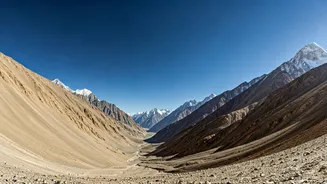
The majestic Himalayas, often called the ‘Third Pole,’ are the source of India’s most vital rivers—the Ganga, Indus, and Brahmaputra. These glaciers act as massive, frozen water reservoirs, releasing meltwater steadily during the dry seasons, sustaining millions of people and vast agricultural lands downstream. But these water towers are shrinking at an alarming rate. As global temperatures climb, the glaciers are melting faster than they are being replenished by snowfall. This isn't a distant, abstract problem. In the short term, it can lead to devastating glacial lake outburst floods (GLOFs). In the long term, it threatens the very existence of our major river systems, creating a future of profound water scarcity for North India. Grasping the fundamentals of glaciology and hydrology is no longer optional; it’s essential for planning a future where water is our most precious, and potentially scarcest, resource.
The Foundation of Our Economy
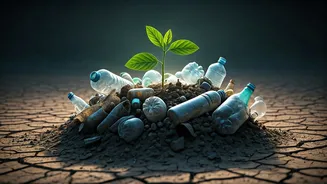
A stable climate and a healthy environment are not luxuries; they are the bedrock of our economy. Every sector, from agriculture and fishing to manufacturing and technology, depends on a predictable supply of natural resources and stable operating conditions. When extreme heatwaves halt construction and outdoor labour, productivity plummets. When floods damage infrastructure, supply chains break. When soil degrades and water becomes scarce, agricultural output suffers, threatening food security and causing rural distress. The cost of inaction is staggering. Conversely, knowledge of Earth systems unlocks immense economic opportunities. Investing in renewable energy, developing drought-resistant crops, building sustainable infrastructure, and mastering water-recycling technologies are not just environmental solutions—they are pathways to a modern, robust, and resilient Indian economy.
From Knowledge to Action
Understanding our planet empowers us to demand and support better policies. When citizens understand the link between urban planning, wetland destruction, and increased flooding in cities like Chennai and Mumbai, they can advocate for smarter, more sustainable development. When we grasp the science behind air pollution, we can push for stricter emission norms and cleaner public transport. Earth science literacy transforms us from passive victims of environmental change into active participants in crafting solutions. It gives us the language to hold leaders accountable and the vision to imagine a different future. This knowledge is crucial not just for scientists and policymakers, but for every citizen who wants to ensure a safe and prosperous home for future generations.