







Understanding the Disruptions
These periodic changes to train schedules are often essential for the safety and modernisation of the railway network. Common reasons include non-interlocking work for signal upgrades, doubling of railway lines to increase capacity, track maintenance,
and infrastructure restoration. While these tasks can cause temporary inconvenience, they are crucial for ensuring long-term efficiency, reducing travel times, and enhancing passenger safety. At times, external factors such as heavy rainfall or regional agitations can also lead to unplanned cancellations and diversions to ensure operational safety.
How to Verify Your Train's Status
Before you leave for the station, it is critical to check if your travel plans are affected. Indian Railways provides several reliable methods for verification. The primary tool is the National Train Enquiry System (NTES), which can be accessed via its official website or mobile app. Simply enter your train number to see its live running status, including any delays, cancellations, or diversions. Passengers can also check their PNR status on the IRCTC website or app, which will indicate if a ticket is affected by a cancellation. For those who prefer voice assistance, the integrated railway helpline number, 139, is an effective way to get up-to-date information.
Cancelled vs. Diverted: What's the Difference?
Understanding the terminology used in railway announcements can help you plan your next steps. A 'cancelled' train will not run at all for its entire journey on the specified date. A 'partially cancelled' service will only run for a portion of its original route. 'Diversion' means the train will follow a different route to its destination, potentially skipping several scheduled stops. In such cases, it is important to check if your boarding or destination station is on the new route. Other terms include 'rescheduled,' which means the train will depart at a later time, and 'short-terminated,' where a train ends its journey before its final destination.
Examples of Affected Services
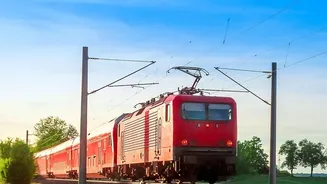
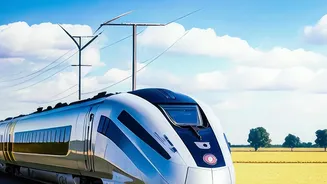
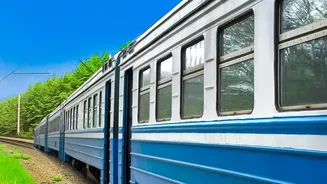
While specific disruptions change frequently, recent announcements from various railway zones illustrate the types of changes passengers might encounter. For instance, Northern Railways recently had to cancel services like the Firozpur Cantt Express and Chandigarh Intercity Express due to waterlogging, while diverting long-distance trains like the Mumbai Central to Amritsar Express. In other cases, major infrastructure work has led to the cancellation or diversion of dozens of services, including both Express trains and local MEMU/EMU services, affecting thousands of daily commuters. Timings of premium trains like Vande Bharat have also been adjusted for operational reasons, highlighting that all types of services can be impacted.
Navigating Ticket Refunds
If you find your train has been cancelled, the refund process is straightforward for most passengers. For e-tickets booked via the IRCTC website or app, a full refund will be automatically processed and credited to the source account within a few working days. Passengers do not need to file a Ticket Deposit Receipt (TDR) or cancel the ticket themselves in this scenario. For tickets purchased at a physical counter, you must visit a reservation counter to surrender the ticket and claim your refund. If a train is delayed by more than three hours and you decide not to travel, you are also entitled to a full refund, though you may need to file a TDR before the train's departure.