






The Current Financial Climate
The Indian restaurant industry operates on notoriously tight margins, with the average net profit for a casual dining spot sitting between 10-15%. However, this figure is under constant pressure. Recent data from May 2026 shows food inflation is a significant
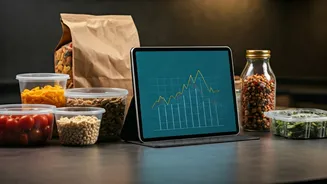
concern, with the Consumer Food Price Index rising to 4.8%. This directly impacts the number one expense for most restaurants: the cost of ingredients, which already accounts for 28-38% of revenue. Add to this elevated labour costs, rent, and commissions for delivery aggregators, and it’s clear why proactive financial management is no longer a luxury but a necessity for survival.
Embracing the Monsoon Mindset
July brings the monsoon, a season that dramatically alters consumer behaviour. While heavy rains can deter dine-in customers, it also sparks cravings for hot, comforting food, leading to a surge in online orders. Successful restaurants adapt by shifting their focus. This means ensuring your delivery game is flawless—from packaging that withstands the rain to special monsoon-themed combos promoted online. It's a time to focus on reaching customers at home. Many establishments see this period as an opportunity to create special menus featuring seasonal favourites like pakoras, soups, and hot beverages, which can set them apart from competitors and cater directly to what customers want.
Menu Engineering for Maximum Profit
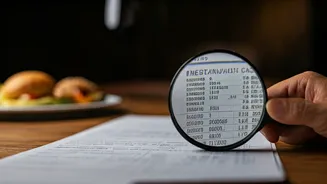
Your menu is not just a list of dishes; it's a powerful tool for profitability. The practice of 'menu engineering' involves analysing the popularity and profitability of each item to make strategic decisions. Classify your dishes into 'Stars' (high profit, high popularity), 'Plowhorses' (low profit, high popularity), 'Puzzles' (high profit, low popularity), and 'Dogs' (low profit, low popularity). The goal is to promote your Stars, improve the margins on your Plowhorses (perhaps through slight recipe tweaks or better ingredient sourcing), creatively market your Puzzles, and consider removing the Dogs. Restaurants that effectively engineer their menus can see profit increases of 10-15%.
Leveraging Technology for Efficiency
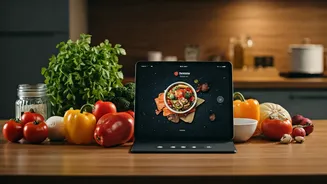
Technology is no longer an optional extra; it's a core component of a lean, profitable restaurant. AI-powered management systems can now forecast demand, helping to reduce food waste by predicting ingredient requirements with high accuracy. Modern Point of Sale (POS) systems do more than just process orders; they provide invaluable data on sales trends and customer preferences, allowing for data-driven decisions that can boost margins by 3-5%. Furthermore, technology like QR code ordering and intelligent Kitchen Display Systems (KDS) streamline operations, reduce errors, and free up staff to focus on providing better service, directly impacting your bottom line.
Smart Marketing Beyond Discounts
While it's tempting to offer steep discounts to attract customers, this can erode already slim margins. A smarter approach focuses on building a direct relationship with your customers. Encourage direct orders through your own website or WhatsApp to bypass hefty aggregator commissions. Use social media to tell the story behind your food, highlighting regional specialities or the chef's process. Implement a loyalty program that rewards repeat customers. During the monsoon, this could mean offering special deals on delivery or creating cosy in-house events like karaoke nights or board game sessions to entice people to brave the weather. The focus should be on creating value and a memorable experience that builds a loyal community around your brand.