






Choose Your Bag Wisely
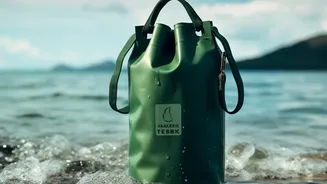
Not all dry bags are created equal. They come in various materials, sizes, and closure types. For most travellers, the classic 'roll-top' bag is the go-to choice. These are typically made from durable, waterproof materials like PVC, vinyl, or coated nylon.
When selecting a size, it's wise to err on the side of caution and get one slightly larger than you think you need; this prevents overstuffing, which is a common cause of leaks. Consider the type of travel you do. A lightweight nylon bag might be perfect for a backpacker conscious of every gram, while a heavy-duty vinyl bag is better suited for rugged water sports like kayaking or rafting.
The Art of the Perfect Seal
The most critical step is sealing the bag correctly. A tiny mistake here can render the bag useless. For roll-top bags, follow this simple process. First, pack your items, but don't fill the bag more than three-quarters full. Before sealing, press down on the body of the bag to “burp” out as much excess air as possible. Then, bring the two stiff sealing strips at the top together, ensuring they are flat and free of wrinkles. From there, tightly roll the top down at least three times—this is the minimum for a watertight seal. Finally, clip the buckles together, usually in the opposite direction of the roll, to lock it in place.
Smart Packing Strategies
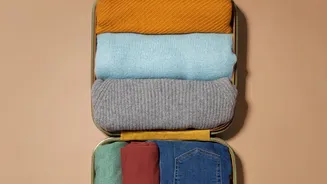
How you pack inside the bag also matters. Place softer items or an extra shirt at the bottom to create a cushion, which can help prevent sharp objects from puncturing the material from the inside. Arrange your belongings in layers, with things you'll need least at the bottom and frequently used items like snacks or a rain jacket on top. Be cautious with sharp objects like keys or hard-cornered electronics. If you must pack them, wrap them in clothing to soften the edges. For valuables like a phone or wallet, consider 'double bagging': place them in a smaller waterproof pouch before putting them inside the main dry bag for maximum security.
Common Mistakes to Avoid
Several frequent errors can lead to a waterlogged disaster. The most common is not rolling the top down enough; three full rolls is the absolute minimum. Another is overpacking. Stuffing a bag to its limit puts stress on the seams and closure, increasing the chance of failure. Also, avoid storing the bag in direct sunlight for extended periods, as this can degrade the material and cause colours to fade over time. Finally, don't assume your bag will float indefinitely. While trapping some air can provide buoyancy, an overloaded bag can still sink. Always secure your bag to your raft, kayak, or yourself.
Test Before You Trust
Before you entrust your expensive electronics or only dry set of clothes to a new bag, perform a simple leak test at home. Place a few sheets of dry paper towel inside, seal it properly, and submerge it completely in a bucket of water or a bathtub for at least 30 minutes. You can even add some weight to the bag to simulate pressure. After soaking, take the bag out, dry the exterior, and then open it. If the paper towel is bone dry, your bag is ready for your adventure. This simple check provides peace of mind before you head out.
Care and Maintenance for Longevity
A good dry bag can last for years with proper care. After each trip, especially if it was exposed to saltwater, rinse it inside and out with fresh water. For a deeper clean, you can use warm water and a few drops of mild dish soap, scrubbing gently with a soft cloth. Never use harsh detergents or put it in a washing machine, as this can destroy the waterproof coating. Always allow the bag to air dry completely, preferably hanging upside down, before storing it in a cool, dry place. Storing a damp bag can lead to mildew and unpleasant smells.