




The Kitchen Secret for Lush Blooms
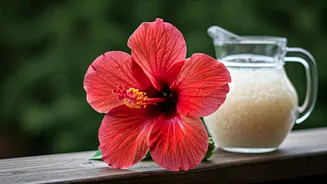
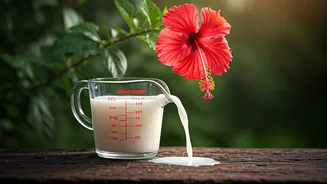
For generations, especially across Asia, rice water has been a household staple not just for beauty regimes but for nurturing plants. This isn't just an old wives' tale; there's a simple science to it. The milky water left after rinsing or boiling rice is rich
in starch, which acts as a fantastic food source for beneficial microorganisms in the soil. These microbes, in turn, break down organic matter and make nutrients more readily available to your plant's roots. Think of it as a probiotic drink for your soil. Beyond starch, rice water contains trace amounts of essential nutrients like nitrogen, phosphorus, and potassium (NPK), which are the building blocks for healthy leaves, strong roots, and, most importantly, vibrant flowers. For a heavy feeder like the hibiscus, this gentle, consistent nutrient boost can be the difference between a few sporadic flowers and a full-blown floral display.
How to Prepare the Perfect Rice Water Tonic
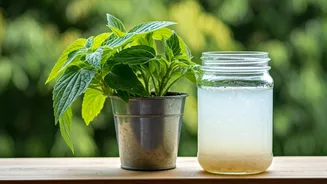
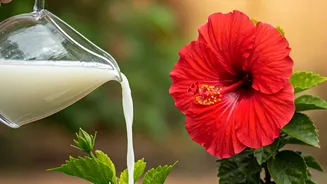
Making this 'magic' tonic couldn't be simpler. You have two main methods. The first is collecting the water from rinsing rice. Before you cook your daily dal-chawal, just rinse your uncooked rice (about one cup) with two to three cups of water. Swirl it around for a minute until the water turns cloudy. Instead of pouring it down the drain, collect this water in a jar or bottle. The second method involves using the water left after boiling rice. If you cook rice in excess water, the starchy liquid you drain is a potent source of nutrients. However, there's a crucial rule: the rice must be cooked without salt. Salty water can be harmful to your plants, drawing moisture out of the roots and potentially killing your hibiscus. For best results, stick to unsalted, unseasoned rice water.
The Golden Rule: Always Dilute
Using concentrated rice water directly on your plants can be counterproductive. The high starch content can create a waterproof layer on the topsoil, preventing water from reaching the roots. It can also lead to fungal growth or attract pests. The key to success is dilution. A good rule of thumb is to mix one part rice water with one part plain water (a 1:1 ratio). If the rice water is particularly thick and starchy (like from boiled rice), you might even consider a 1:2 ratio. This ensures the nutrients are distributed evenly and the soil can absorb them without any negative side effects. The goal is a light, nutritious drink for your plant, not a heavy, starchy meal.
To Ferment or Not to Ferment?
Many experienced gardeners swear by fermenting the rice water before use. Fermentation can enhance its benefits by introducing beneficial bacteria (like lactobacilli) and slightly increasing the bioavailability of nutrients. To do this, simply leave the collected rice water in a loosely covered jar at room temperature for one to three days. It will develop a slightly sour smell, which is a sign that fermentation is working. Once fermented, it's even more important to dilute it (at least 1:2) before use. However, be warned: the smell can be quite strong. If you have a small, enclosed balcony or sensitive neighbours, you might prefer to stick with fresh rice water. Fresh, unfermented rice water is still highly effective and avoids any unpleasant odours.
Application and Frequency
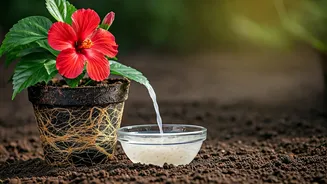
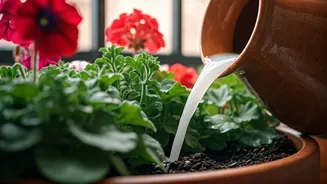
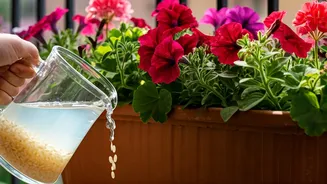
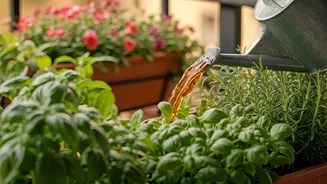
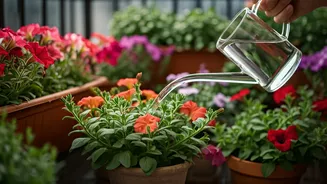
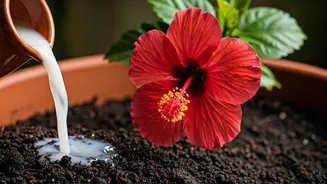
With your diluted rice water ready, how often should you use it? For hibiscus plants, using this tonic once a week or once every two weeks during the growing and flowering season is ideal. Use it to water the plant as you normally would, ensuring you soak the soil thoroughly until water runs out of the drainage holes. Avoid getting the starchy water all over the leaves, as this can encourage fungal issues. Stick to watering the soil at the base of the plant. On the days you use rice water, consider it a replacement for your regular watering—you don't want to overwater the plant, as this is a common cause of root rot in hibiscus.
A Few Words of Caution
While this hack is wonderful, it's not a silver bullet. Firstly, never use rice water that has been seasoned with salt, oil, or spices. Secondly, be observant. If you notice any signs of mould on your soil or an increase in pests like fungus gnats, reduce the frequency of application or stop altogether for a while. This can sometimes happen in very humid conditions or if the water is not diluted enough. Lastly, remember that rice water is a mild fertilizer. It complements, but does not entirely replace, the need for good quality soil and occasional feeding with a balanced fertilizer, especially if your plant shows signs of nutrient deficiency.