

The New Fashion Vanguard
For decades, Indian handloom was often seen through a nostalgic lens—beautiful, but perhaps best reserved for special occasions. Meanwhile, the global streetwear phenomenon, with its emphasis on hype and logos, felt worlds away. Today, that gap is closing,
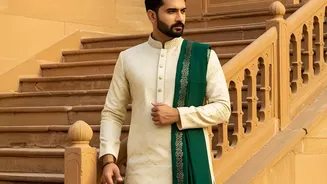
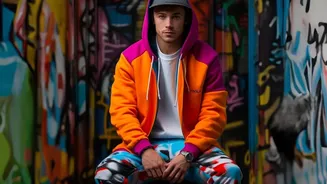
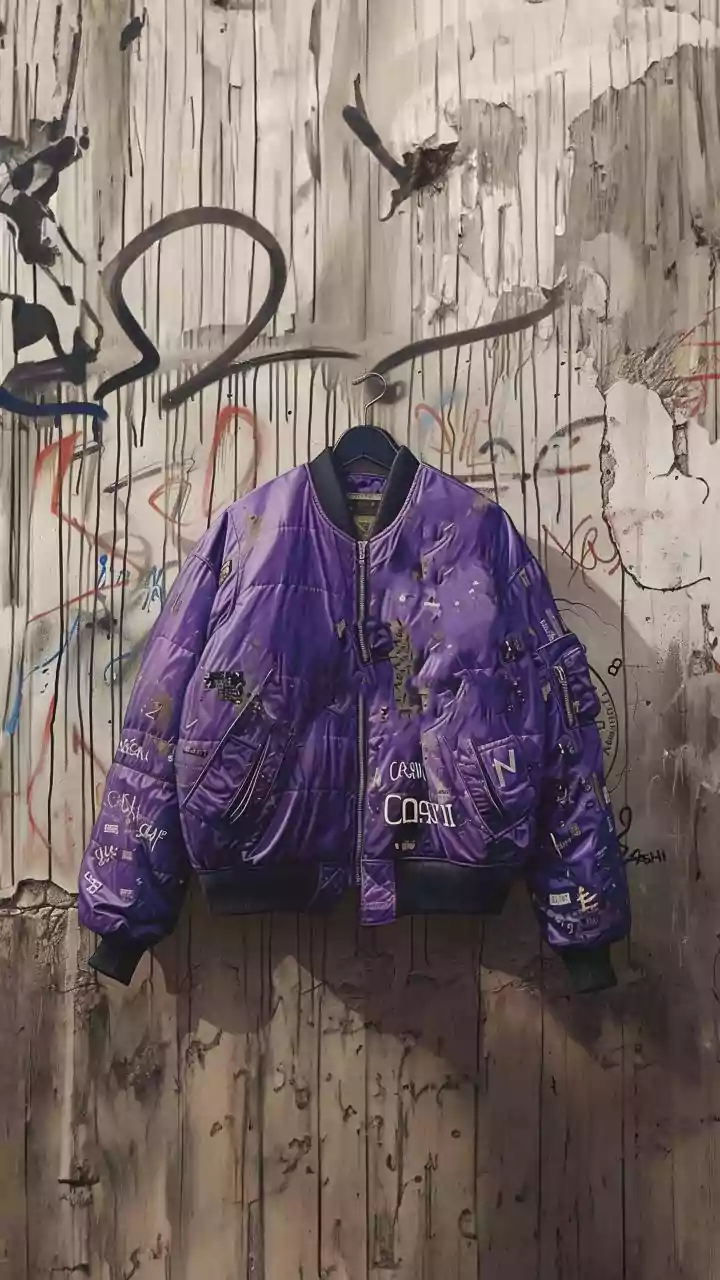
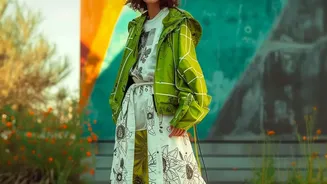
thanks to a wave of contemporary fashion labels. These brands are rewriting the rules, proving that handloom fabrics like Khadi, Ikat, and Jamdani can be the foundation for hoodies, cargo pants, and oversized jackets that resonate with a younger, globally-aware audience. This isn't just about preservation; it's a radical reinterpretation that is making handwoven textiles relevant for everyday wear. The driving force is a new generation of consumers who value authenticity, sustainability, and a compelling story behind their clothes.
The Tier 2 Advantage
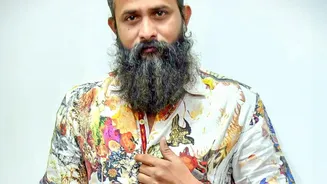
Interestingly, much of this innovation is happening outside of the traditional fashion capitals of Delhi and Mumbai. Brands emerging from cities like Jharkhand and others are leveraging their unique positions. Proximity to artisan clusters in states like Gujarat, Odisha, West Bengal, and Jharkhand allows for direct collaboration with weavers, cutting out middlemen and fostering genuine partnerships. For example, the Ranchi-based label Johargram has become a champion for the textiles of Jharkhand, creating affordable and contemporary streetwear that empowers local craftspeople. This direct-to-artisan model not only ensures fair wages but also allows for a deeper co-creation process, where traditional techniques are adapted for modern silhouettes. These Tier 2 brands often operate with lower overheads, allowing them to offer hand-crafted products at more accessible price points, challenging the notion that sustainable fashion must be prohibitively expensive.
From Loom to Street
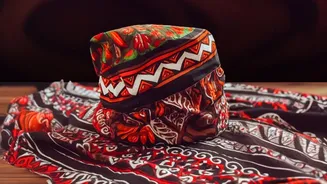
The creative process involves a delicate balance of respect and rebellion. Designers are not simply cutting traditional fabrics into Western patterns. Instead, they are collaborating with artisan families to innovate. Some brands work with weavers to develop entirely new fabrics, like handwoven Chanderi cotton-silk blends perfect for textured shirts. Others take existing crafts and apply them in unexpected ways, like using the resist-dyeing Ajrakh technique to create a camouflage print for jackets or hand-painting Pattachitra art directly onto denim. Labels like Farak and NorBlack NorWhite have successfully merged techniques like Sanganeri block printing and Bandhani with streetwear aesthetics, creating pieces that are both culturally rooted and globally cool. The result is clothing that tells a story—each thread carrying the imprint of its maker.
Speaking the Language of Gen Z
The success of this model hinges on more than just great design; it’s about storytelling. These brands are digital natives, using platforms like Instagram not just to sell products, but to build communities. They share behind-the-scenes footage of the weaving process, introduce the artisans they work with, and explain the cultural significance of the crafts they use. This transparency resonates deeply with young consumers, who are increasingly wary of fast fashion and hungry for authenticity. For this generation, a QR code that traces a garment's journey from a village loom to their wardrobe is the new luxury logo. By collaborating with artists, musicians, and influencers who align with their values, these brands create a cultural ecosystem that makes handloom feel less like a history lesson and more like a vibrant, living form of expression.
Scaling a Sustainable Future
This movement is more than a fleeting trend; it represents a viable business model for scaling local crafts. By creating a new market for handloom among the youth, these brands provide a consistent and reliable source of income for artisan communities, which have faced decline due to competition from mechanized looms. This ensures that ancient skills are not only preserved but also passed down to the next generation. However, challenges remain. Maintaining quality and consistency in handmade products is difficult, and competing with the price points of fast fashion is a constant battle. Yet, the growing consumer demand for sustainable, story-rich fashion suggests a bright future. These Tier 2 brands are proving that you can build a successful business that is profitable, culturally significant, and socially responsible.