






Myth: Baking Soda Can Kill All Monsoon Mould
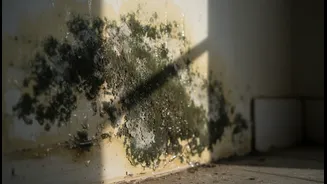
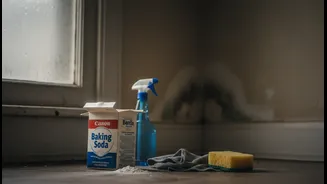
Baking soda is a fantastic deodoriser and a mild abrasive, making it great for scrubbing surfaces and absorbing nasty smells from your fridge or musty cupboards. However, it is not a fungicide. While it can physically loosen and clean surface mould from non-porous
materials like tiles, it doesn't kill the mould's roots, especially on porous surfaces like walls or wood. The mould will likely grow back. The belief that mixing it with vinegar creates a super-cleaner is also a myth; the chemical reaction neutralises both, leaving you with little more than water and salt. Reality: For small mould patches on hard surfaces, undiluted white vinegar is a more effective option, as its acidity can kill many common types of mould. Let it sit for an hour before scrubbing. For larger or recurring mould problems, especially on walls, professional help is recommended to address the underlying dampness. Preventing mould is key: improve ventilation, use dehumidifiers, and fix any leaks promptly.
Myth: Naphthalene Balls and Camphor Eliminate Dampness
Every Indian household is familiar with the sharp scent of naphthalene balls (mothballs) or camphor (kapur) in wardrobes. They are used to protect clothes from pests and combat musty smells. While camphor has some anti-fungal properties and can absorb some moisture, and both are effective at masking odours, neither actually eliminates the source of the dampness. They merely cover up the smell. Furthermore, naphthalene is a registered pesticide, and long-term inhalation of its fumes can pose health risks, including headaches and respiratory irritation. It is even classified as a possible carcinogen. Reality: To truly fight dampness, you need to control moisture. Place moisture-absorbing products like silica gel packs in cupboards. Regularly air out your wardrobes on dry, sunny days. For a safer way to keep clothes fresh, use natural alternatives like dried neem leaves or small pouches of lavender. Camphor can be used for its scent, but do so in well-ventilated areas and understand it is a temporary fix for odour, not a solution for dampness.
Myth: Keeping Windows Shut Stops Humidity
It seems logical: if it's humid outside, you should shut all the windows to keep the damp air out. However, this often makes the problem worse. Everyday activities like cooking, bathing, and even breathing release moisture into the air inside your home. Without any ventilation, this moisture gets trapped, leading to condensation on walls, stagnant air, and an ideal breeding ground for mould and mildew. Reality: Good ventilation is your best friend during the monsoon. While you should keep windows closed during heavy rain, open them for at least 15-30 minutes daily during drier periods or when there's a good breeze. This practice, known as cross-ventilation, allows damp indoor air to escape and fresh air to circulate, significantly reducing indoor humidity levels and preventing that stuffy, musty feeling. Using exhaust fans in kitchens and bathrooms is also crucial.
Myth: Vinegar Is a Cure-All for Every Surface
Vinegar's popularity as a natural cleaner is well-deserved to an extent. Its acetic acid content makes it effective against some types of mould and great for dissolving mineral deposits on showerheads and taps. However, it is not a universal solution. Studies have shown that vinegar is not effective against all species of household mould. More importantly, its acidity can cause permanent damage to certain surfaces. You should never use vinegar on natural stone countertops like marble or granite, as it can etch and dull the finish. It can also damage waxed wood finishes and corrode metals like aluminum. Reality: Use vinegar strategically. It is excellent for cleaning glass, ceramic tiles, and for descaling appliances. For mould on these surfaces, it's a good non-toxic choice. But for delicate surfaces like natural stone, stick to pH-neutral cleaners specifically designed for them. Always test any cleaner on a small, inconspicuous area first. The key is to match the cleaning agent to the surface and the problem.
Myth: DIY Sprays Are Enough for Pest Control
The monsoon forces pests like cockroaches, ants, and mosquitoes indoors in search of shelter and food, leading to a seasonal invasion. Many online sources suggest DIY remedies like vinegar sprays for ants or cucumber peels for roaches. While a vinegar solution can disrupt ant trails by erasing their pheromone signals, it's a temporary fix that doesn't eliminate the colony. Many other home remedies are simply ineffective against a determined infestation. Reality: Effective pest control is about prevention and targeting the source. Keep your kitchen meticulously clean, storing all food in airtight containers and leaving no dirty dishes overnight. Ensure there is no stagnant water in or around your home, as even a small puddle can be a mosquito breeding ground. While some natural remedies like neem oil have genuine insect-repellent properties, they often can't handle a full-blown infestation. For persistent problems, professional pest control is often the only way to truly eliminate the nests and colonies that have established themselves in your home.