





The Smart Money Move
A key driver behind this shift is simple economics. Indian travellers are becoming increasingly savvy about managing their budgets in the face of rising costs. According to the Outbound Tour Operators Association of India (OTOAI), escalating airfares
and currency fluctuations are pushing consumers to plan smarter rather than travel less. Booking international flights three to six months in advance for long-haul destinations, and six to ten weeks for short-haul trips to places like Thailand or Dubai, can lead to significant savings. This proactive approach allows travellers to avoid the notorious price surges of the peak holiday season in December and lock in better deals on flights and accommodation, making what once seemed like an expensive affair much more attainable.
A World of Visa-Free Possibilities
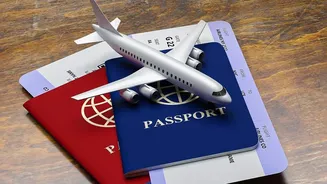
The world is literally opening up for Indian passport holders. With access to over 55 destinations offering visa-free entry, visa-on-arrival, or simple electronic travel authorisations, planning an international trip is no longer the administrative hurdle it once was. Countries like Thailand, Malaysia, Indonesia, Sri Lanka, and Nepal have become consistent favourites, offering a rich blend of culture, adventure, and relaxation without the hassle of extensive visa paperwork. This simplified entry process has made spontaneous and well-planned trips equally feasible, reducing both costs and planning stress, and encouraging more Indians to explore overseas options.
Beating the Year-End Rush
The idea of a 'shoulder season'—the period just before or after the peak tourist season—is gaining traction. Travellers are discovering the dual benefits of fewer crowds and lower prices. By planning trips in October or November instead of late December, they can enjoy a more relaxed holiday experience. Industry experts note this is a deliberate strategy to maximise value. Popular destinations like Vietnam, the Philippines, and Turkey are becoming go-to choices for these off-peak adventures, offering incredible experiences without the chaotic atmosphere and inflated costs of the traditional holiday rush. This shift indicates a move towards more mindful and experience-focused travel rather than simply following the calendar.
The 'Bleisure' Effect
The rise of remote and flexible work has blurred the lines between business and leisure, giving birth to the 'bleisure' trend. India has emerged as a key market for this, with a high percentage of business travellers—around 81%—extending their work trips for personal holidays. This trend is particularly strong among Indian professionals, who lead globally in the average number of bleisure trips taken annually. An employee on a work trip to Singapore might add a few days to explore Bali, or a trip to Dubai could be extended for a desert safari. This approach is highly cost-efficient, as the primary flight cost is often covered by the employer, making the leisure portion of the trip significantly more affordable.
A New Travel Mindset
Ultimately, this trend reflects a fundamental shift in the Indian traveller's mindset. After years of restrictions, there is a strong, pent-up demand for travel and new experiences. A survey earlier in 2026 showed that 73% of Indian travellers now start planning their trips at the beginning of the year to have something to look forward to. There's a growing prioritisation of experiences over material possessions, with many people consciously cutting back on other expenses to save for their holidays. This forward-planning approach is not just about saving money; it's about making travel an integral part of their lifestyle, a reward for their hard work, and a chance to recharge and explore the world on their own terms.