




The Short-Haul Headache
For millions of Indians, travelling between neighbouring cities or within sprawling metropolitan regions is a daily challenge. Whether for work, education, or family visits, these trips under 250 kilometres often involve a frustrating choice between congested
highways and slower, packed conventional trains. This reliance on road transport and diesel-powered rail contributes significantly to air pollution and travel stress. Experts note that even for very short trips, many are forced to use motorized transport due to inadequate pedestrian infrastructure, a phenomenon dubbed 'short-trip motorization'. This travel pattern not only strains existing infrastructure but also has a considerable environmental cost, making the search for a better alternative more urgent than ever.
A Multi-Pronged Green Strategy
Indian Railways is tackling this challenge with a comprehensive green energy strategy, aiming for net-zero carbon emissions by 2030. The approach is two-fold: electrifying nearly its entire broad-gauge network and pioneering new, cleaner technologies for routes where conventional electrification is difficult. While near-total electrification is a massive achievement, the real game-changer for many short routes lies in emerging solutions like hydrogen-powered trains, advanced solar integration, and specialized electric metro-style services. These technologies promise to deliver speed, comfort, and zero-emission travel, addressing the core problems of short-distance commuting.
India's Hydrogen Horizon
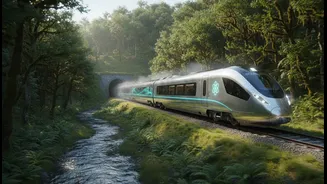
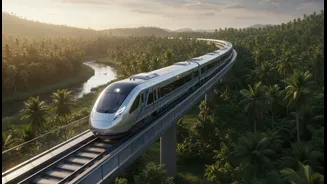
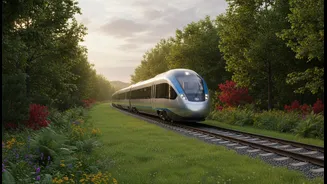
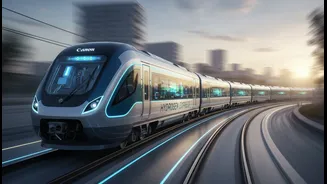
At the forefront of this innovation is the "Hydrogen for Heritage" initiative. This project aims to run 35 hydrogen-powered trains on scenic and hilly routes that are environmentally sensitive and often lack electrification. Instead of burning diesel, these trains use hydrogen fuel cells that combine hydrogen with oxygen to produce electricity, with water vapour as the only emission. A prototype has already been developed, and successful trials have been conducted on the Delhi-Jind corridor ahead of a planned launch on the Jind-Sonipat section. This positions India among a select group of nations like Germany and France that are actively deploying hydrogen rail technology. While initial costs are high, they are expected to decrease as the technology becomes more widespread, offering a scalable model for many non-electrified lines.
The Vande Metro Vision
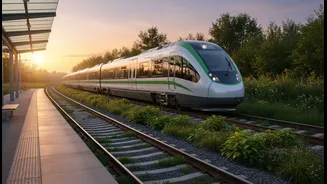
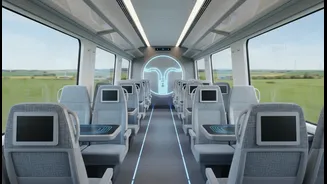
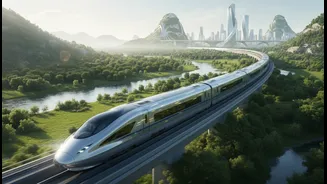
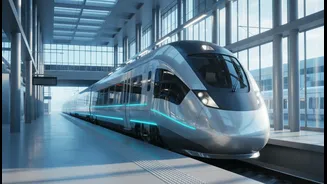
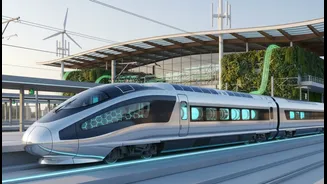
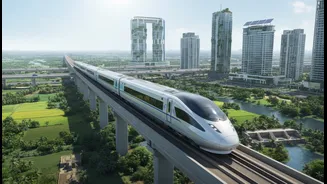
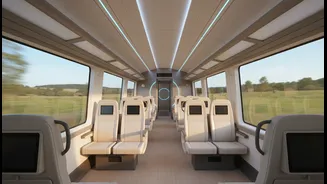
Specifically designed to solve the short-distance puzzle is the Vande Metro. Conceived as a shorter-distance version of the successful Vande Bharat Express, these trains are built for rapid, shuttle-like services connecting cities within a 100-250 km range. With prototypes rolled out, these air-conditioned trainsets are designed for high-frequency travel—running four or five times a day on a single route. They will feature modern amenities like automatic doors and advanced safety systems. Key identified routes include high-traffic corridors like Lucknow-Kanpur, Agra-Mathura, and Chennai-Tirupati, which currently face heavy road congestion. The goal is to replace older Mainline EMU trains and offer a faster, more comfortable, and reliable alternative for daily commuters and regular travellers.
Beyond the Engine
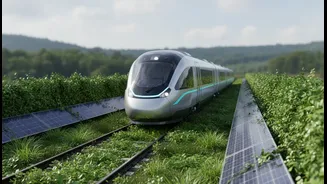
The shift to clean-energy rail extends beyond just the trains themselves. Indian Railways is innovating with track-integrated solar panels, turning the rail infrastructure itself into a source of power. Pilot projects in Varanasi and for the Namo Bharat network are testing removable solar panels fitted between tracks, which could generate significant electricity without requiring additional land. This, combined with large-scale solar and wind power procurement, is part of a holistic strategy to power the network sustainably. The cumulative effect of these initiatives—hydrogen trains, Vande Metros, and widespread renewable energy use—could fundamentally change public perception. Short-distance train travel could transform from a compromise into the preferred choice: fast, clean, modern, and efficient.