

Finland often appears on social media as a flawless winter wonderland of Northern Lights and magical forests. But the glossy images can set travellers up for disappointment. Here’s a reality check on some of Finland's most hyped attractions.
Santa Claus Village: Christmas Magic
The Expectation:
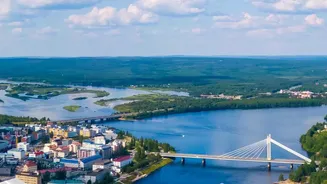
You envision a quaint, peaceful village in the heart of Lapland, where snow falls gently on log cabins and you share a quiet, heartwarming moment with Santa Claus himself. It’s the pure, unfiltered magic of Christmas, brought to life. The Reality: Santa Claus Village in Rovaniemi is a major, year-round tourist destination that many visitors describe as more of a commercial theme park than a quiet retreat. The experience of meeting Santa can feel rushed, like a factory operation, with long queues even with timed tickets. While entry to see Santa is often free, you are not permitted to take your own photos and must purchase the official ones. The village is filled with souvenir shops, restaurants, and paid attractions, and prices for activities and souvenirs can be steep. In the evening, many shops and restaurants close as early as 5 or 6 PM, leaving little to do. The Better Way: Treat it as a fun, family-friendly theme park for a few hours rather than the sole focus of your Lapland trip. The reindeer sleigh rides are often highlighted as a genuinely peaceful and worthwhile activity. For a less commercialised experience, consider booking activities like husky sledding with independent farms outside the village, which may offer longer and more authentic tours.
The Northern Lights: A Dazzling Sky
The Expectation: You picture vibrant, electric green and purple curtains of light dancing furiously across the entire sky, a spectacular show that happens every night you’re in Lapland. It's the iconic photograph you’ve seen a thousand times. The Reality: The Northern Lights are a natural phenomenon dependent on solar activity and clear, dark skies; they are never guaranteed. Many first-time viewers are surprised to learn that to the naked eye, a faint aurora often looks like a pale grey, silvery, or whitish arc, sometimes mistaken for a thin cloud. Modern cameras, with their ability to perform long-exposure shots, capture far more colour and vibrancy than the human eye can perceive in low light. It takes a strong solar storm for the colours to become vivid to the naked eye. Furthermore, popular viewing spots can become crowded, and light pollution from resorts can hinder the view. The Better Way: Adjust your expectations. Know that even seeing a faint, greyish shimmer is a successful viewing. Book a tour that focuses on getting away from city lights into darker areas. If you have a modern smartphone with a night mode, use it to take a photo of a faint cloud-like shape in the sky; the screen might reveal the green colour your eyes can't pick up, confirming you're seeing the aurora.
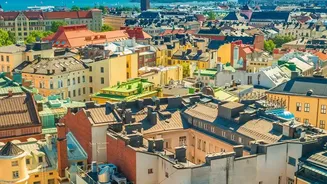
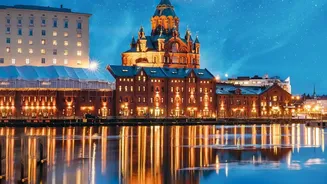
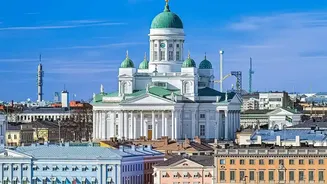
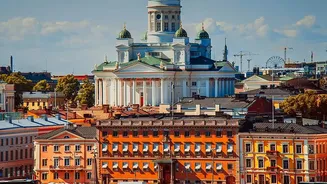
Helsinki's City Center: Historic Charm
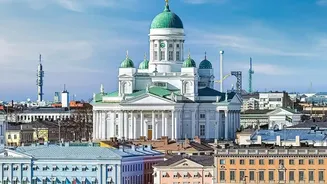
The Expectation: You arrive in Helsinki expecting a charming, old-world European capital, with ancient cobblestone streets and a serene atmosphere around its main squares and landmarks. The Reality: Helsinki is a relatively modern capital, with many of its famous buildings, like the main cathedrals, dating to the 1800s rather than centuries prior. This can leave visitors searching for the 'Old World' charm they might find in cities like Tallinn or Prague. Central areas like Market Square can feel like a tourist trap, with inflated prices for food and souvenirs. Some visitors also find the city expensive in general, from food to accommodation. The famous Suomenlinna sea fortress, a UNESCO World Heritage site, is a highlight but can become extremely crowded, especially during peak season, which can detract from the experience. The Better Way: Venture beyond the main tourist trail. Explore neighbourhoods like Kallio or Punavuori for unique local shops, cafes, and a more authentic city vibe. Instead of eating exclusively at Market Square, look for 'lounas' (lunch) buffets on weekdays, a local custom offering great value. When visiting Suomenlinna, go early on a weekday to avoid the worst of the crowds, and allow at least three to four hours to explore the islands properly.