

The Quintessential Healthy Indian Pancake
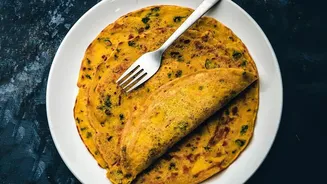
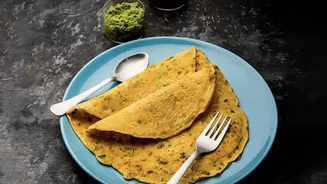
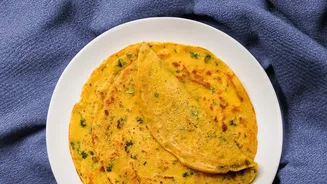
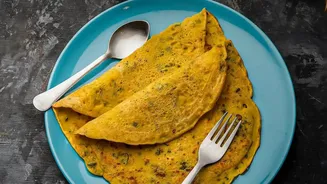
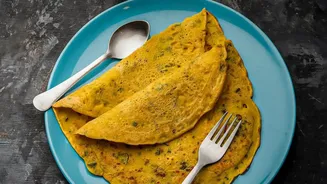
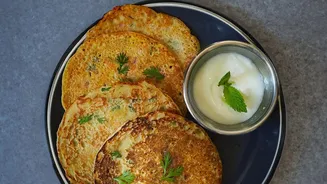
Moong Dal Chilla, also known as 'puda' or 'pudla' in some regions, is a thin, crepe-like dish made from a batter of ground moong dal (split and husked mung beans). It's a staple breakfast and snack item, celebrated for being both light and incredibly
filling. Unlike many deep-fried Indian snacks, the chilla is pan-cooked with minimal oil or ghee, making it a go-to for health-conscious individuals. The base batter is simply seasoned with ingredients like ginger, green chillies, and cumin, but its true genius lies in its versatility. The chillas can be made soft or crispy, plain or studded with a colourful array of finely chopped vegetables, making every bite a different experience.
Why Moong Dal is a Nutritional Powerhouse
The hero of this dish is, without a doubt, moong dal. This humble lentil is celebrated in Ayurveda for being easy to digest compared to other legumes. It is an excellent source of plant-based protein, crucial for muscle repair and keeping you feeling full for longer. A single serving of cooked moong dal provides a significant amount of protein and dietary fibre. This high fibre content aids digestion, helps maintain healthy gut bacteria, and can prevent constipation. Furthermore, moong dal has a low glycemic index, which helps in regulating blood sugar levels by ensuring a slow release of energy. Packed with essential minerals like potassium, magnesium, and iron, it also supports heart health and helps boost blood circulation.
Crafting the Perfect Batter
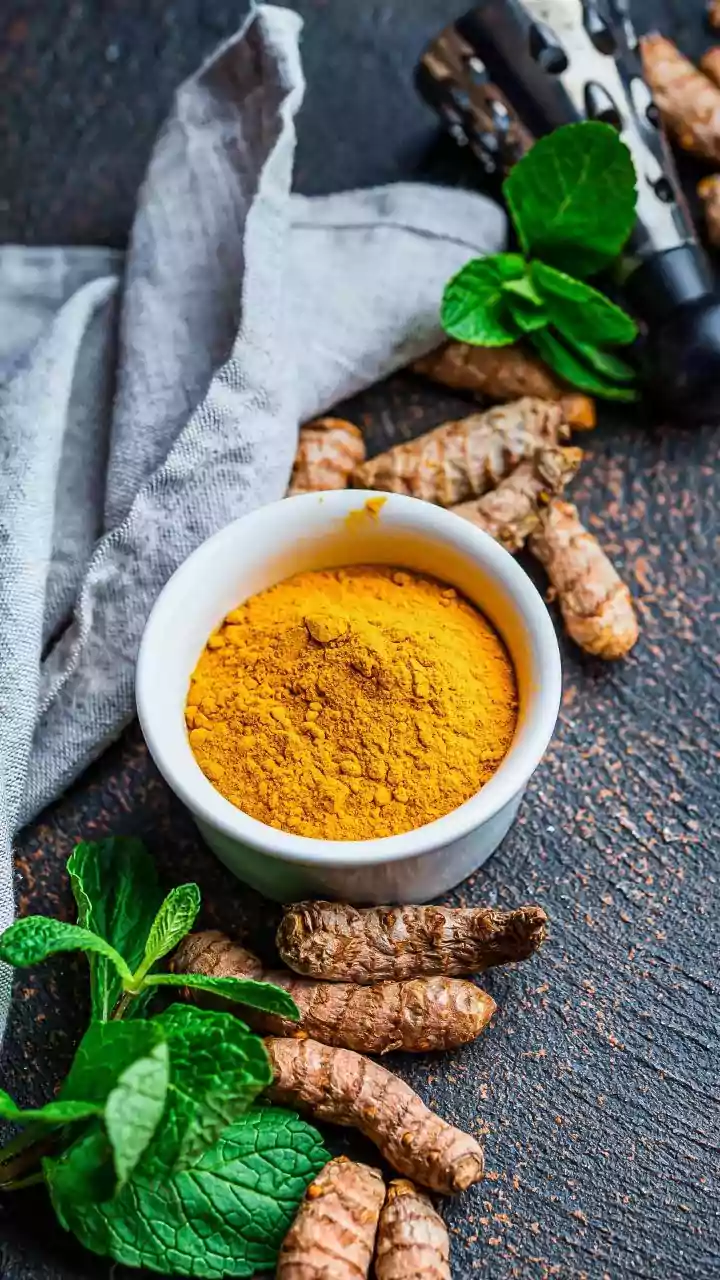
The foundation of a great chilla is its batter. The process begins by rinsing yellow moong dal and soaking it in water for at least three to four hours, though soaking it overnight is also common. This step softens the lentils, making them ready for grinding. After soaking, the water is drained completely. The softened dal is then transferred to a blender along with flavouring agents like fresh ginger, green chillies, and cumin seeds. A small amount of water is added to help the grinding process, with the goal of creating a smooth, pourable paste. The consistency is key: it should be thick enough to hold its shape but fluid enough to spread on a pan. Once blended, spices like turmeric and salt are mixed in. At this stage, you can also add finely chopped coriander leaves.
Achieving That Irresistible Crispiness
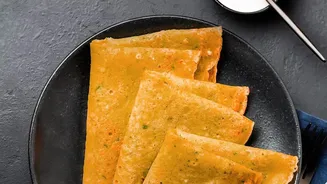
The difference between a good chilla and a great one often comes down to texture. To achieve that desired crispiness, a few techniques are crucial. First, ensure your pan, preferably a cast-iron or non-stick tawa, is sufficiently hot before pouring the batter. A medium-hot pan works best. The batter should be spread thinly in a circular motion, much like a dosa. A thinner chilla will result in a crispier texture. Some cooks add a tablespoon of rice flour or semolina (sooji) to the batter, which is a popular trick for an extra crunch. Drizzle a little oil or ghee around the edges as it cooks. This helps the chilla crisp up and prevents it from sticking. Cook until the underside is golden brown and the edges begin to lift from the pan before flipping to cook the other side.
A Canvas for Vegetable Toppings
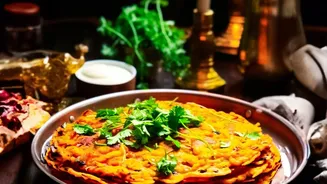
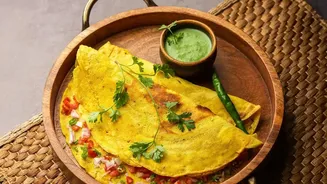
One of the best features of moong dal chilla is its adaptability. While delicious on its own, adding vegetables elevates both its taste and nutritional value. The options are nearly limitless. Finely chopped onions, tomatoes, and bell peppers (capsicum) are classic choices that add a juicy crunch. Grated carrots, beetroot, cabbage, and spinach can be mixed directly into the batter or sprinkled on top after the batter is spread on the pan. For a more substantial and protein-rich filling, a mixture of crumbled or grated paneer seasoned with spices is a popular option. Freshly chopped coriander leaves and spring onions, added just before serving, lend a final burst of freshness.