


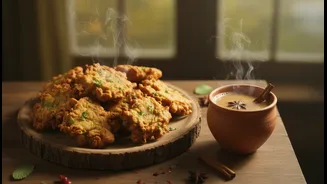



The Science of Comfort Cravings
There's a biological reason why a drop in temperature makes us crave warm, hearty foods. When it gets colder, our bodies work harder to maintain their core temperature, a process that burns energy. This prompts our brain to signal a need for energy-dense
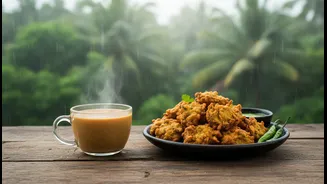
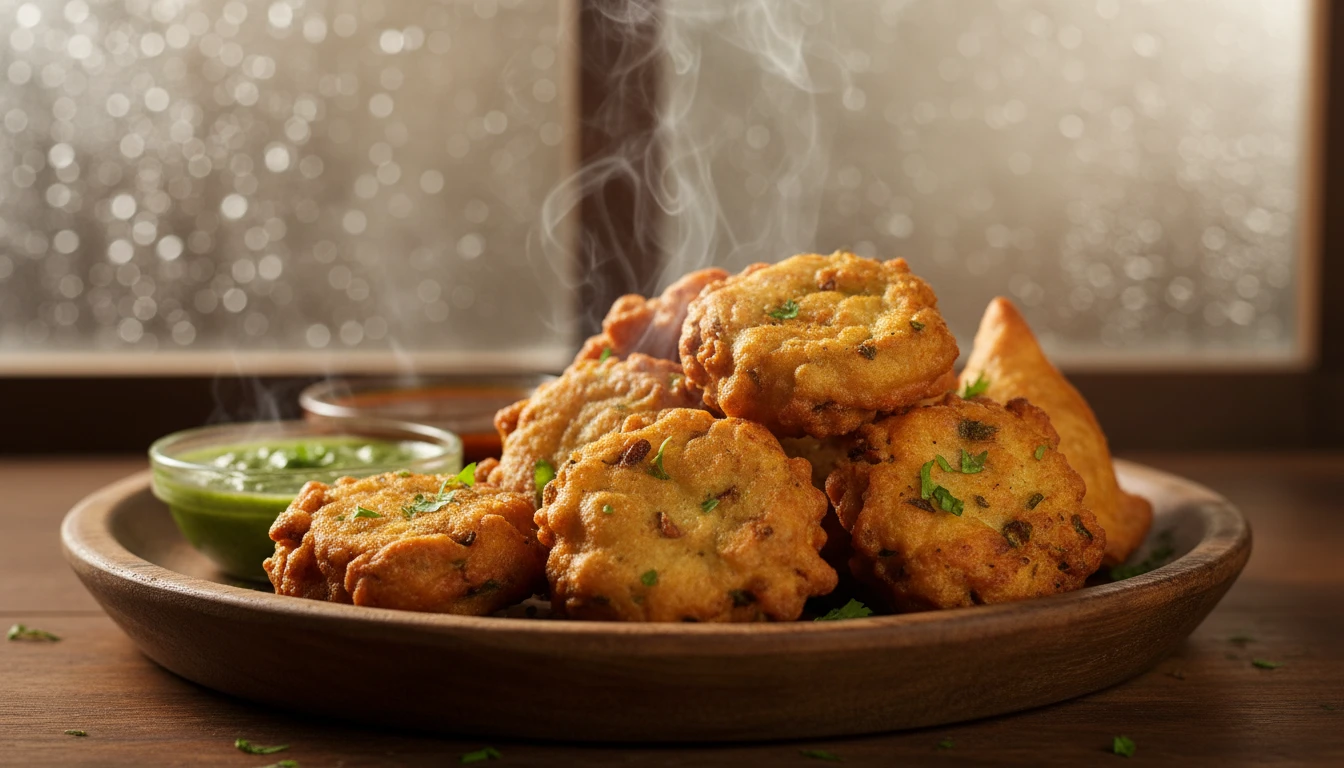
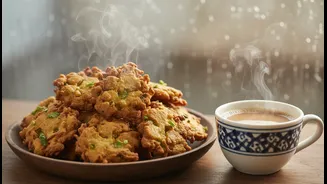
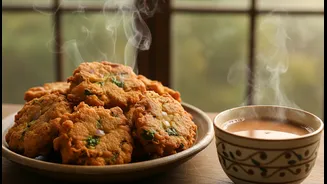
foods, particularly carbohydrates and fats, which are efficiently converted into heat. Furthermore, reduced sunlight in colder, cloudier weather can lead to a dip in serotonin, the neurotransmitter that helps regulate our mood. Carbohydrate-rich foods can provide a temporary boost in serotonin, making us feel happier and more content. So, that desire for a plate of hot pakoras during a downpour or a bowl of rich Gajar ka Halwa in December isn't just in your head; it’s your body’s instinctual way of seeking warmth and well-being.
A Taste of Nostalgia
Beyond pure biology, the connection between weather and food is deeply emotional. Food acts as a powerful vessel for memory. The smell and taste of a specific dish can transport us back to cherished moments—childhood homes, family gatherings, or festive celebrations. The aroma of onions and gram flour frying into bhajis might evoke memories of huddling together with family, watching the rain. The sweet scent of carrots simmering in ghee can recall the special occasions of winter weddings. These foods are tied to feelings of safety, love, and community, and consuming them is like revisiting a happy memory. Psychologists note that because our sense of smell is directly linked to the parts of the brain that process memory and emotion, food-related nostalgia is particularly potent.
The Rhythm of Indian Seasons
In India, our food culture has always been deeply intertwined with the seasons. Traditional food wisdom, often rooted in Ayurveda, emphasizes eating what is fresh and locally available. The monsoon brings with it an abundance of corn, leading to the beloved ritual of roasted bhutta, seasoned with salt, chilli, and lime. Winter is the season for root vegetables and leafy greens, giving us classics like Sarson ka Saag with Makki ki Roti in the north and the complex vegetable stew, Undhiyo, in Gujarat. These pairings aren't accidental. They reflect an agricultural calendar where specific ingredients are at their peak in terms of flavour and nutritional value. Eating seasonally aligns our bodies with the rhythms of nature, a practice that has been passed down through generations.
The Joy of Limited Availability
In an age where almost any food is available year-round, there's a unique pleasure in things that are fleeting. The fact that you can only truly enjoy a perfect Nolen Gurer Payesh when the special date palm jaggery is harvested in Bengal's winter makes it an anticipated delicacy. Similarly, the craving for deep-fried snacks like samosas and kachoris intensifies with the monsoon rains, partly because it feels like a limited-time experience. This anticipation is a key part of the enjoyment. When a food is not a constant presence, its return feels like an event. It creates a ritual. The act of waiting for the right season to enjoy a specific snack elevates it from mere food to a celebrated tradition, making every bite feel more significant and satisfying.